
Trolley
You have no items in your shopping cart

 Budgets
 Dumbers
 Discs
Discs
 Benches
 Racks and Rigs
 Weights Holders
 Isotonic machines
 Calisthenics
 Cardio
 Kettlebells
 Flooring
 Gym Set
 Accessories
 Combat
 ARTI MARZIALI
 CONTAINER GYM
 Tug-Of-War
 Used Gym Equipment
 PILATES MACCHINARI
 GINNASTICA ARTISTICA
 CAMPI DA PADEL
 Prodotti in Pronta Consegna
 Informazioni
 IRONMAN
 Gift Card
- Donatif
- General information
- 0 I like it
- 1 Views
- 0 comments
- gym flooring, safety flooring, gym safety, shock-absorbing materials
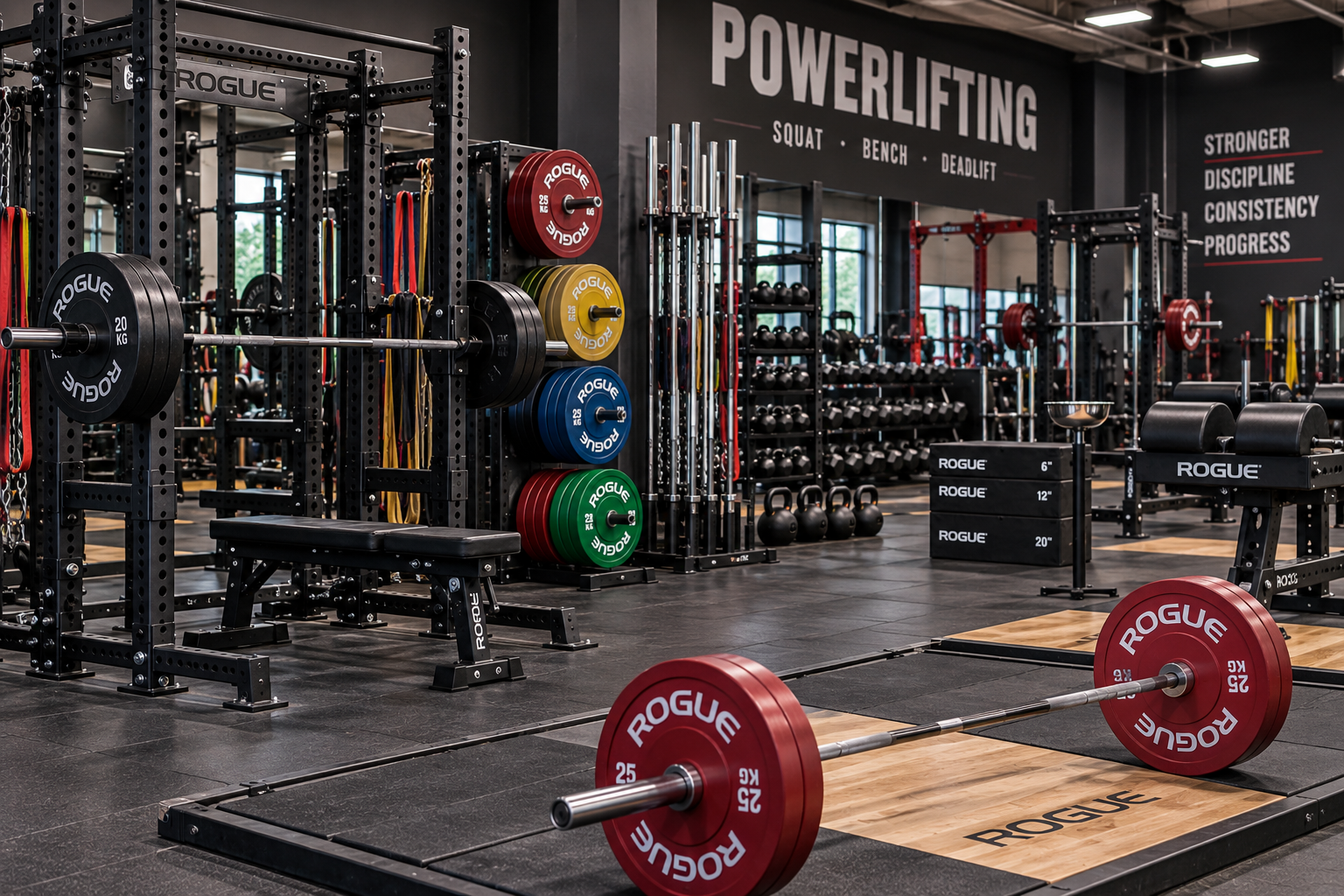
Weightlifting equipment maintenance: how to check barbell, bumpers, and platform
Scheduled maintenance represents one of the most important aspects for keeping a weightlifting area efficient. Barbells, bumper plates, platforms, and storage systems are subjected to repeated use and require periodic checks to ascertain their condition and proper functioning according to the manufacturer's instructions.
Maintenance does not exclusively concern cleaning the equipment but includes visual checks, surface inspections, verification of compatibility between components, and monitoring of wear signs. Scheduling these operations allows for the timely identification of any anomalies and the planning of necessary interventions.
Every gym should follow the maintenance plan reported in the technical documentation of the equipment and record the checks performed. Even in a home gym, it is advisable to adopt a simple yet constant control routine.
- Why is maintenance important?
- How to check the barbell
- How to check bumper plates
- Table of periodic checks
- Checks on platform and flooring
- Cleaning and routine maintenance
- Errors to avoid
- How to preserve the investment over time
Why is weightlifting equipment maintenance important?
In weightlifting, equipment is subjected to continuous stress due to workouts with barbells and bumper plates. Regular maintenance helps maintain the functionality of the area and facilitates equipment management over the long term.
Periodic checks allow for the timely identification of any visible anomalies and the planning of interventions provided by the manufacturer, preventing small problems from evolving into more complex situations.
For each component, it is always appropriate to refer to the instructions contained in the technical manuals provided by the manufacturer.
Why schedule maintenance?
Regular planning allows for distributing checks over time and maintaining a history of the interventions performed.
Does maintenance affect the lifespan of the equipment?
Proper management of cleaning, checks, and verifications helps preserve materials and surfaces during use.
How to check the barbell?
Before each workout, it is advisable to perform a visual inspection of the barbell, verifying that there are no evident deformations, surface damage, or anomalies noticeable during normal use.
When the model provides for it, it is also appropriate to check the proper functioning of the sleeves, always following the instructions reported in the manufacturer's technical documentation.
The grip surfaces should be kept clean using products compatible with the construction materials indicated by the manufacturer.
Which components should be observed?
Grip, sleeves, surfaces, and moving parts must be checked according to the procedures established by the manufacturer.
Should the elasticity of the barbell be verified?
The characteristics of the barbell are defined by the manufacturer. Any anomalies perceived during use should be evaluated by referring to the technical instructions of the product.
How to check bumper plates?
Bumper plates should be checked regularly to identify any signs of wear, evident damage, or contact surface anomalies.
It is also advisable to verify that the plates are used exclusively in configurations compatible with the barbell and the platform intended for training.
Orderly storage helps reduce accidental impacts and facilitates inspection operations.
What checks should be performed?
It is useful to check general integrity, surface conditions, and compatibility with the rest of the equipment used.
Why properly organize the plates?
A dedicated storage system facilitates the handling of bumper plates and makes periodic checks simpler.
Table of periodic checks
The following table summarizes the main checks recommended for routine maintenance.
| Component | Check | Objective |
|---|---|---|
| Barbell | Visual inspection | Verify any anomalies |
| Sleeves | Functioning | Check rotation if applicable |
| Bumper plates | Surface integrity | Monitor general state |
| Platform | Stability and surface | Verify technical area conditions |
| Flooring | Visual check | Identify any damage |
| Accessories | Order and fixings | Keep the station organized |
The frequency of checks depends on the intensity of use of the area and the instructions reported in the manufacturer's manuals.
When anomalies are detected, it is advisable to suspend the use of the concerned component until the verification required by the maintenance procedures takes place.
Why keep a logbook?
Recording checks and maintenance facilitates monitoring the state of the equipment over time.
Why consult technical manuals?
The manufacturer's instructions represent the main reference for maintenance, inspections, and component replacement.
How to check platform and flooring?
The platform should be kept clean and checked periodically to verify that the surface appears intact and stable.
The technical flooring also requires regular inspections to identify any signs of wear or anomalies that could influence the correct use of the area.
A check of the entire station before workouts facilitates the identification of any problems and helps keep the room orderly.
Which elements should be observed?
It is appropriate to check surface continuity, platform stability, and the absence of visible damage.
Why also verify the layout?
An orderly area makes using the station easier and facilitates maintenance operations.
How to perform routine cleaning?
Regular cleaning helps keep barbells, bumper plates, and platforms in good condition. It is advisable to use products compatible with the materials indicated by the manufacturer, avoiding substances not provided for in the technical documentation.
The removal of dust, residue, and dirt also facilitates visual inspections of surfaces and components.
Keeping the workout area orderly also contributes to improving the daily management of the gym.
What products to use?
It is preferable to follow the manufacturer's instructions using exclusively detergents compatible with the equipment materials.
Why keep the room orderly?
An organized environment makes checks faster and facilitates equipment handling.
What errors to avoid during maintenance?
One of the most frequent errors consists of limiting oneself to cleaning without checking the condition of the equipment. Visual inspections represent an essential part of scheduled maintenance.
It is also appropriate to avoid modifications not provided for by the manufacturer or the use of components incompatible with the original configuration of the station.
Furthermore, postponing interventions after identifying an anomaly can make equipment management more complex over time.
Why use compatible components?
Following the manufacturer's instructions helps maintain the configuration intended for the correct use of the equipment.
Why not postpone checks?
Intervening promptly facilitates maintenance management and helps preserve the functionality of the station.
How to preserve the investment over the long term?
Scheduled maintenance allows for keeping the weightlifting area efficient and planning any replacements without compromising the organization of the gym. The objective is to preserve over time the compatibility between barbell, bumper plates, platforms, and storage systems.
Regularly checking the weightlifting barbell, bumper plates, technical platform, and documenting periodic checks allows for managing the entire facility with greater continuity.
To complete an easily manageable station, it can be useful to integrate a bumper plates supply compatible with the barbell and the workout area project, keeping the gym configuration uniform.
Comments (0)