
Trolley
You have no items in your shopping cart

 Budgets
 Dumbers
 Discs
Discs
 Benches
 Racks and Rigs
 Weights Holders
 Isotonic machines
 Calisthenics
 Cardio
 Kettlebells
 Flooring
 Gym Set
 Accessories
 Combat
 ARTI MARZIALI
 CONTAINER GYM
 Tug-Of-War
 Used Gym Equipment
 PILATES MACCHINARI
 GINNASTICA ARTISTICA
 CAMPI DA PADEL
 Prodotti in Pronta Consegna
 Informazioni
 IRONMAN
 Gift Card
- Donatif
- General information
- 0 I like it
- 988 Views
- 0 comments
- gym flooring, safety flooring, gym safety, shock-absorbing materials
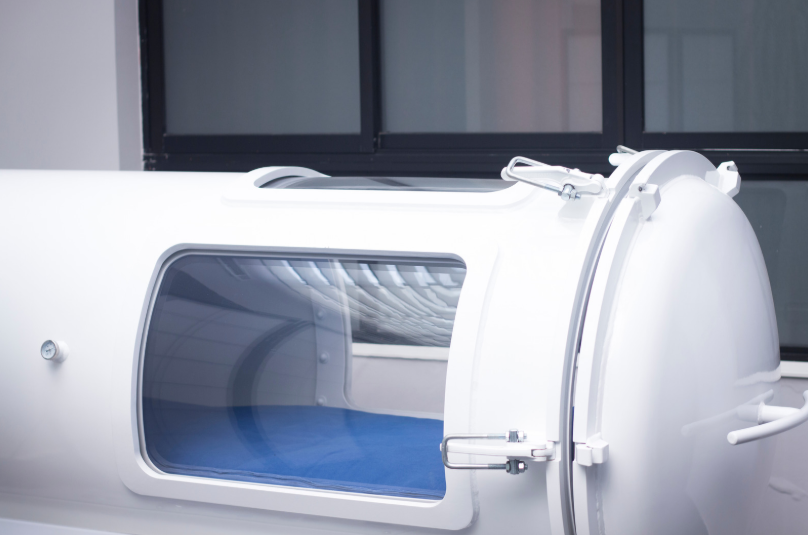
Dimensions and Layout: How to Design the Ideal Space for Your Hyperbaric Chamber
Integrating a hyperbaric chamber into a sports facility, private healthcare center, or wellness clinic requires careful planning. Simply checking whether the equipment physically fits into the available room overlooks several critical factors that directly affect operational efficiency, safety, and the long-term return on your investment.
A well-planned hyperbaric center design takes into account workspace organization, ventilation, technical systems, staff and patient circulation, and the potential for future expansion. Measuring only the chamber focuses on the present; designing the entire layout lays the foundation for the long-term success of your facility.
- Why Proper Planning Is Essential
- Minimum Dimensions and Space Organization
- Ventilation and Technical Room Requirements
- Integrating a Hyperbaric Chamber into an Existing Facility
- The Value of a Turnkey Design Solution
- Planning Today for Long-Term Success
Why Proper Planning Is Essential
Every hyperbaric chamber installation should begin with a comprehensive assessment of the available space. The chamber's physical dimensions are only one part of the equation. Adequate room must also be allocated for operator access, routine maintenance, circulation paths, and an optimal experience for both patients and staff.
A carefully designed layout improves day-to-day operations, minimizes interference between different activities within the facility, and maximizes the efficient use of every square meter. For business owners focused on return on investment, this planning phase becomes a strategic asset that directly influences the long-term productivity of the center.
Minimum Dimensions and Space Organization
The minimum dimensions required for a hyperbaric chamber are only the starting point of the design process. Sufficient clearance should be provided for equipment handling, maintenance operations, and waiting areas. An undersized room can complicate daily operations and limit future upgrades or expansions.
The design of a hyperbaric treatment center should also include the strategic placement of technical systems, electrical connections, utilities, and reception areas. Well-organized circulation routes improve the flow of patients or athletes while reducing downtime and operational bottlenecks.
Using 3D design tools allows facility owners to visualize the final layout before installation begins. This approach helps identify potential issues early, optimize space utilization, and make informed decisions without incurring costly modifications after installation.
Ventilation and Technical Room Requirements
Among the key requirements for installing a hyperbaric chamber are the characteristics of the technical room. Ventilation plays a fundamental role in maintaining appropriate environmental conditions and supporting the reliable operation of the entire system.
Proper management of airflow ensures user comfort while maintaining adequate air exchange according to the facility's design specifications. Integrating ventilation and technical systems during the planning stage helps avoid expensive modifications and unnecessary delays later in the project.
In addition to ventilation, easy maintenance access, appropriate utility connections, and dedicated space for auxiliary equipment are all essential considerations. Comprehensive planning significantly reduces the risk of delays during installation and commissioning.
Integrating a Hyperbaric Chamber into an Existing Facility
Many business owners choose to install a hyperbaric chamber within existing gyms, medical clinics, rehabilitation centers, or wellness facilities. In these situations, it is essential to evaluate the current layout and identify the solution that requires the fewest structural modifications while preserving the functionality of the existing spaces.
A preliminary assessment makes it possible to verify room compatibility, utility locations, and traffic flow throughout the facility. In many cases, relatively minor design adjustments can deliver a far more efficient outcome than improvised solutions that may negatively affect both operations and the customer experience.
The guiding principle is simple: don't just measure the chamber—measure the success of your space. Every square meter should contribute to improving the overall value of the facility while supporting the daily workflow of your staff.
The Value of a Turnkey Design Solution
Choosing a turnkey design service means coordinating every stage of the project through a single point of contact. From the initial feasibility study to the final layout, every decision is made by considering technical, logistical, and financial aspects together.
An initial consultation also allows investors to evaluate project feasibility in advance, estimate any required building modifications, and accurately plan timelines and budgets. This approach minimizes unforeseen issues and results in a smoother, more efficient project implementation.
For sports entrepreneurs, wellness center operators, and facility managers looking to expand their services, comprehensive planning represents a long-term investment in operational excellence and sustainable business growth.
Planning Today for Long-Term Success
A successful hyperbaric chamber installation begins long before the equipment is delivered. Assessing the available space, designing the layout, verifying technical systems, and planning proper ventilation create the conditions for efficient, reliable, and long-lasting operation.
Thorough planning not only improves the technical aspects of the installation but also enhances the overall value of the investment. By adopting an integrated approach supported by specialized expertise and advanced design tools, you can create a functional environment ready to support your facility's growth for many years to come.
Comments (0)