
Trolley
You have no items in your shopping cart

 Budgets
 Dumbers
 Discs
Discs
 Benches
 Racks and Rigs
 Weights Holders
 Isotonic machines
 Calisthenics
 Cardio
 Kettlebells
 Flooring
 Gym Set
 Accessories
 Combat
 ARTI MARZIALI
 CONTAINER GYM
 Tug-Of-War
 Used Gym Equipment
 PILATES MACCHINARI
 GINNASTICA ARTISTICA
 CAMPI DA PADEL
 Prodotti in Pronta Consegna
 Informazioni
 IRONMAN
 Gift Card
- Donatif
- General information
- 0 I like it
- 709 Views
- 0 comments
- gym flooring, safety flooring, gym safety, shock-absorbing materials
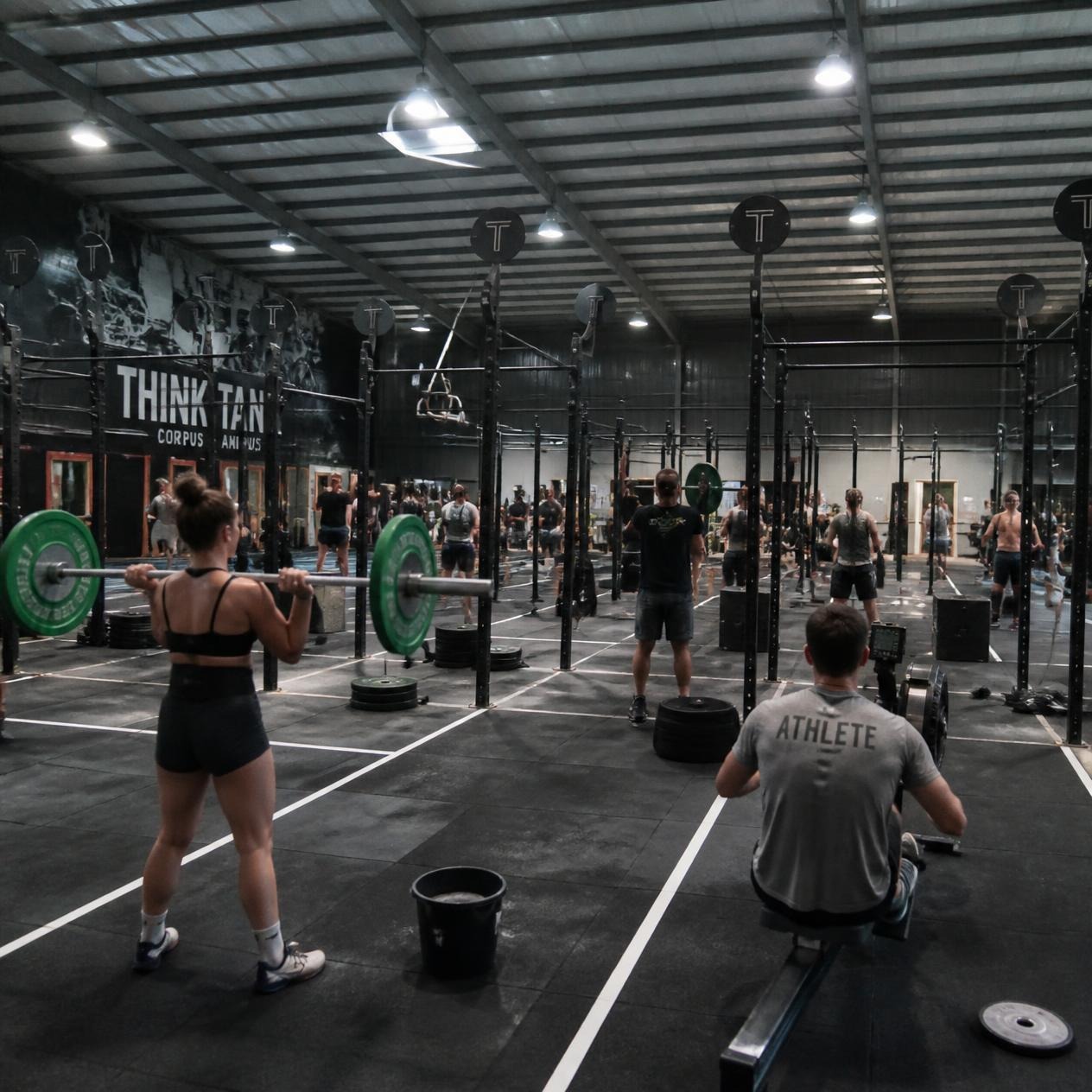
Flooring for Cross Training Centers: how to choose the right thickness for barbell drops
In a Cross Training Box, the floor is not just an aesthetic element, but a structural component that directly affects athlete safety, equipment longevity, and building protection. Every day, Olympic barbells, bumper plates, kettlebells, and other tools are dropped on the ground after high-intensity exercises, generating repeated impacts that can damage the screed, deform the flooring, and increase noise and vibration levels.
For this reason, choosing the cross training gym rubber thickness is one of the most important decisions when designing a new facility or renovating an existing area. Opting for insufficient thickness can result in costly floor repairs, premature rubber wear, and reduced equipment protection. Conversely, a properly sized solution ensures stability, safety, and a long-lasting investment.
In this guide, we analyze the differences between 20 mm, 30 mm, and 40 mm flooring, explaining when to choose each solution, which factors to evaluate before purchasing, and how to create a drop zone capable of withstanding years of intensive use without compromising performance and comfort.
- Why thickness is fundamental
- When to choose 20 mm
- When to choose 30 mm
- When to choose 40 mm
- How to design a drop zone
- Protecting the screed and equipment
- How to choose professional flooring
- An investment that protects your Box
Why thickness is fundamental
Every time a barbell is dropped at the end of a deadlift, snatch, or clean & jerk, the impact energy is transmitted to the flooring and subsequently to the underlying screed. If the surface does not have adequate absorption capacity, the stresses accumulate progressively, causing cracks, detachment, and deterioration of the structure.
The rubber thickness determines the amount of energy that can be absorbed before the impact reaches the subfloor. The greater the thickness, the greater the protection offered to both the floor and the equipment, also reducing vibrations and noise.
However, the choice should not be based solely on the value expressed in millimeters. Rubber density, raw material quality, installation methods, and drop frequency are equally important factors affecting the overall performance of the flooring.
The energy generated by the drop
An Olympic barbell loaded with bumper plates can generate considerable forces during impact. Flooring designed for professional fitness distributes these forces, reducing the stresses concentrated on the screed.
Why price isn't the only thing that counts
Choosing a lower thickness to save money immediately can lead to much higher maintenance costs in subsequent years, especially in areas subject to intensive use.
When to choose 20 mm
20 mm flooring is a valid solution for areas dedicated primarily to functional training, metabolic circuits, bodyweight exercises, and moderate use of free weights.
This thickness offers good floor protection and excellent comfort during exercises, making it suitable for multifunctional fitness rooms where barbell drops are occasional and controlled.
However, in the presence of very heavy loads or repeated barbell drops, it may not guarantee the level of protection required by a high-intensity Cross Training Box.
The main advantages
Reduced bulk, low cost, simple installation, and good stability make the 20 mm format ideal for numerous fitness applications.
When to avoid this thickness
If the training program includes numerous Olympic exercises with frequent barbell releases, it is advisable to opt for greater thicknesses.
When to choose 30 mm
For many professional Boxes, the 30 mm format represents the best compromise between protection, cost, and versatility. This thickness is able to effectively absorb the impacts produced during most Cross Training workouts.
The greater mass of the flooring contributes to reducing vibrations and noise, improving comfort for both athletes and surrounding environments.
This is the most common solution in areas dedicated to Olympic barbells, racks, and training platforms where drops occur regularly but without extremely heavy usage.
The advantages of 30mm anti-shock flooring
A thickness of 30 mm offers an excellent balance between shock absorption capacity, stability during movements, and screed protection, making it ideal for most professional facilities.
Which Boxes is it recommended for?
It is particularly suitable for centers with high foot traffic, daily classes, and frequent use of Olympic exercises with bumper plates.
When to choose 40 mm
40 mm flooring is designed for the most demanding situations, where barbells are dropped frequently with heavy loads and intensive use throughout the day.
This thickness significantly increases the ability to dissipate impact energy, helping to preserve both the subfloor and the sports equipment.
Choosing a 40 mm solution is often recommended in areas dedicated exclusively to weightlifting, professional platforms, or in Boxes that host competitions and advanced training.
Superior protection
Greater absorption capacity reduces the risk of structural damage even in the presence of extremely heavy usage.
Evaluating costs and benefits
The greater thickness involves a higher initial investment, which is however offset by better protection and generally longer durability under the most demanding conditions.
How to design a drop zone
Simply choosing the thickness is not enough to ensure optimal performance. Proper design of the drop zone also requires a stable subfloor, accurate installation, and the selection of specific materials for professional fitness.
Dividing the gym into functional areas allows for cost optimization. Zones dedicated exclusively to Olympic exercises can adopt greater thicknesses, while cardio or functional areas can use different solutions.
Intelligent design allows you to obtain the highest level of protection where it is really needed, avoiding unnecessary investments in less stressed areas.
Organizing spaces
The layout of racks, platforms, and training lanes directly influences the type of flooring required and the level of wear expected over time.
Rubber tiles for drops
High-density modular tiles are a particularly popular solution because they allow for the quick replacement of individual parts subject to wear without having to intervene on the entire floor.
Protecting the screed and equipment
One of the most expensive damages that can occur in a gym concerns the deterioration of the screed. Repairing cracks or subsidence often requires the complete removal of the flooring, with consequent interruptions to business.
Properly sized rubber distributes impact forces over a wider surface, significantly reducing the risk of structural damage and extending the useful life of the entire floor.
Barbells, bumper plates, and discs also benefit from an elastic surface that limits bouncing and excessive stress, helping to maintain high equipment performance.
Defending the building structure
Investing in professional flooring means reducing the risk of costly maintenance work on the property and ensuring operational continuity for the Box.
Gym screed protection
Choosing the correct thickness is a true form of prevention: it protects the subfloor, improves safety, and helps maintain the value of the investment over time.
How to choose professional flooring
In addition to thickness, it is essential to evaluate rubber density, finish precision, raw material quality, and manufacturer reliability. Two floors of the same thickness can offer very different performance if made with different materials.
Professional products guarantee greater wear resistance, better dimensional stability, and constant absorption capacity even after thousands of impacts. This aspect is particularly important in Boxes that operate with numerous classes every day.
Relying on specialized suppliers also allows you to receive support in space planning and choosing the solution best suited to the actual needs of the facility. A valid option is to consult the range of cross training gym rubber thickness available on Donatif, designed to meet the standards of professional gyms.
The importance of certifications
Tested and certified materials offer greater guarantees in terms of safety, durability, and long-term performance.
The value of consulting
A preliminary technical assessment allows you to choose the correct thickness, avoiding both under-dimensioning and excessive investments compared to the actual intended use.
An investment that protects your Box
Flooring represents one of the foundations upon which to build an efficient, safe, and durable gym. Choosing the correct thickness means protecting the screed, preserving equipment, and offering athletes a professional environment capable of supporting thousands of workouts.
The evaluation must always consider drop frequency, average barbell weight, session intensity, and subfloor characteristics. There is no universally best thickness, but rather the solution best suited to the specific needs of the facility.
Investing in quality technical flooring from the start reduces the risk of costly future repairs, improves comfort during workouts, and helps enhance the image of the Box, offering users a space designed to last over time even under the most demanding conditions of use.
Comments (0)