
Trolley
You have no items in your shopping cart

 Budgets
 Dumbers
 Discs
Discs
 Benches
 Racks and Rigs
 Weights Holders
 Isotonic machines
 Calisthenics
 Cardio
 Kettlebells
 Flooring
 Gym Set
 Accessories
 Combat
 ARTI MARZIALI
 CONTAINER GYM
 Tug-Of-War
 Used Gym Equipment
 PILATES MACCHINARI
 GINNASTICA ARTISTICA
 CAMPI DA PADEL
 Prodotti in Pronta Consegna
 Informazioni
 IRONMAN
 Gift Card
- Donatif
- General information
- 0 I like it
- 8 Views
- 0 comments
- gym flooring, safety flooring, gym safety, shock-absorbing materials
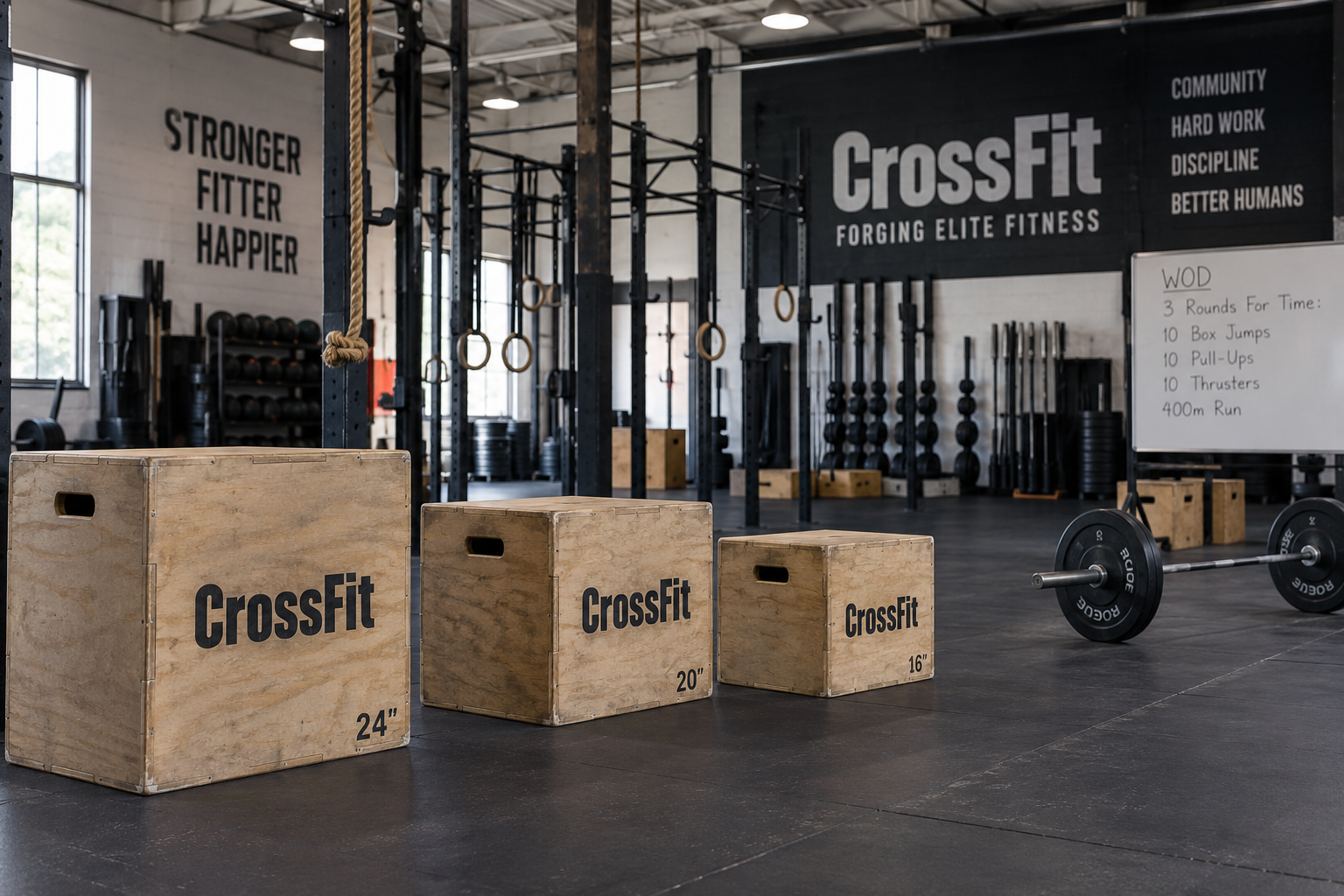
Wall balls for CrossFit boxes: selection criteria and area setup
Choosing a wall ball for a CrossFit box is not solely about the weight of the ball, but involves the entire organization of the training area. Walls, targets, flooring, available space, and usage methods all impact the quality of sessions and the daily management of the facility.
In a CrossFit box, wall ball exercises are often included in high-intensity workouts where multiple athletes work simultaneously. A well-designed setup helps reduce interference, improves safety, and facilitates the flow of workouts.
This guide analyzes the practical criteria for choosing a wall ball intended for a CrossFit box and designing a functional workstation, examining space requirements, area setup, safety, maintenance, and design errors to avoid.
- Quick answer
- What requirements must the area have
- How to organize space and layout
- How to set up a wall ball station
- How to choose the wall ball
- Safety and maintenance
- Design errors to avoid
- How to evaluate the project over time
Quick answer
For a CrossFit box, it is advisable to choose a wall ball compatible with the training program, prepare a wall with a dedicated target, and organize a space that allows for squats, throwing, and retrieving the ball without interference. Area setup and equipment features must always comply with the manufacturer's instructions.
Consistent planning improves session management and helps preserve equipment and surfaces over time.
Before installation, it is also useful to evaluate the maximum number of athletes who will use the station simultaneously.
Why design a dedicated station
A specific zone for wall ball exercises makes it easier to organize workouts and reduces interference with other areas of the box.
Start with the facility's needs
The setup should be defined considering the type of classes, frequency of use, and available space.
What requirements must the area have
The station should be easily accessible, free of obstacles, and equipped with a wall suitable for repeated throws.
The available space must allow for full movement during squats, throwing, and retrieving the ball while avoiding interference with other gym activities.
Good organization also facilitates the management of group classes and improves the fluidity of transitions from one exercise to the next.
Dedicated wall
The wall intended for exercises should be kept free of protruding elements and designed for the intended use.
Path management
Other users' pathways should remain separate from the area designated for throws.
How to organize space and layout
The layout should allow each athlete to perform the movement without occupying the adjacent station.
When multiple lanes are set up, it is useful to provide a regular distribution that facilitates group organization during workouts.
The space designated for storing the balls should remain easily accessible without obstructing the throwing area.
Station distribution
Each athlete should have a dedicated space to perform the exercise and retrieve the ball without interference.
Storage organization
Wall balls should be stored in an orderly area that allows quick access during workouts.
How to set up a wall ball station
A complete station includes a wall, target, operating space, and ball retrieval area.
The target height should be defined according to the training program and any applicable regulations, always verifying the instructions provided by the equipment and support structure manufacturer.
To complete the area, you can consult the section dedicated to gym accessories, choosing exclusively components compatible with the project.
Target installation
The target must be clearly visible throughout the entire execution of the movement and maintain consistent characteristics over time.
Integration with the box
The station should fit into the general layout without limiting the use of other available equipment.
How to choose the wall ball
The choice should consider manufacturing quality, cover material, shape regularity, intended level of use, and compatibility with the training program.
The wall ball weight, diameter, and padding quality also affect the user experience and should be evaluated alongside the facility's needs.
It is advisable to provide a weight range compatible with the level of users attending the box.
Materials and finishes
Quality construction facilitates maintenance and helps maintain the ball's characteristics over time.
Availability of different weights
A selection of wall balls with different weights allows workouts to be adapted to different capabilities and needs.
How to ensure safety and maintenance
Before each session, it is advisable to check the condition of the wall, the integrity of the ball, and the cleanliness of the work area.
Sports flooring should also be kept dry and in good condition to promote stability during squats and ball retrieval.
Scheduled checks make it possible to promptly identify any signs of wear on the equipment.
Preliminary checks
Checking the wall, target, ball, and training area before the session begins is a good operational practice.
Schedule maintenance
Documented management of checks facilitates equipment maintenance in facilities with intensive use.
Design errors to avoid
One of the most common errors is using non-dedicated walls or organizing workstations too close to each other.
Neglecting ball storage and pathway management can also make work less efficient during group classes.
A lack of periodic checks on the wall, target, and equipment can reduce the quality and continuity of the training experience.
Poorly functional layout
A disordered distribution of workstations increases the risk of interference during workouts with numerous participants.
Inconsistent equipment
Choosing wall balls without considering the users' level and usage methods can limit the versatility of the station.
How to evaluate the project over time
Careful planning helps maintain the box's operational efficiency, facilitates maintenance, and improves the long-term user experience.
When evaluating the investment, it is useful to consider equipment quality, ease of maintenance, the possibility of expanding workstations, and compatibility with future updates to the functional area.
When applicable, it is advisable to consult the wall ball manufacturer's manual, instructions related to the wall, and any references to relevant technical standards, always respecting the instructions regarding installation, use, and maintenance.
Elements to compare
Constructive quality, space organization, maintenance, wall configuration, and the availability of different weights represent fundamental criteria when designing a wall ball station for a CrossFit box.
Designing with growth in mind
A flexible setup makes it easy to adapt the area to an increasing number of users, the introduction of new training programs, and the evolving needs of the facility.
Comments (0)