
Trolley
You have no items in your shopping cart

 Budgets
 Dumbers
 Discs
Discs
 Benches
 Racks and Rigs
 Weights Holders
 Isotonic machines
 Calisthenics
 Cardio
 Kettlebells
 Flooring
 Gym Set
 Accessories
 Combat
 ARTI MARZIALI
 CONTAINER GYM
 Tug-Of-War
 Used Gym Equipment
 PILATES MACCHINARI
 GINNASTICA ARTISTICA
 CAMPI DA PADEL
 Prodotti in Pronta Consegna
 Informazioni
 IRONMAN
 Gift Card
- Donatif
- General information
- 0 I like it
- 703 Views
- 0 comments
- gym flooring, safety flooring, gym safety, shock-absorbing materials
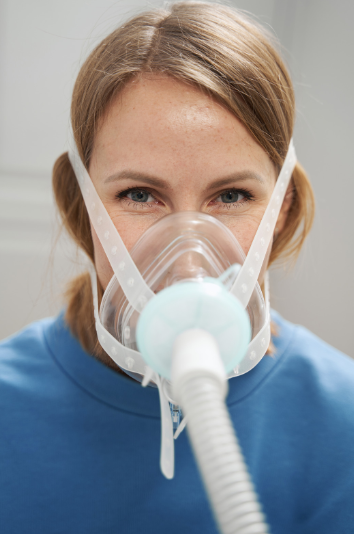
Nutrition and Supplementation for Hypoxic Training: Supporting Hematological and Metabolic Adaptations
Hypoxic training has become an increasingly popular strategy among athletes, coaches, and performance enthusiasts looking to improve the body's ability to utilize oxygen more efficiently. However, the physiological adaptations triggered by reduced oxygen availability depend largely on the quality of nutrition. An unbalanced diet can impair red blood cell production, increase oxidative stress, and slow recovery, ultimately reducing the benefits of training in a hypoxic chamber.
Many people focus exclusively on the training protocol, overlooking the fact that metabolism requires specific nutrients to support these adaptive processes. Paying attention to iron, antioxidants, hydration, and proper macronutrient distribution can significantly enhance adaptation and improve the quality of every training session.
- Why Nutrition Is Essential During Hypoxic Training
- The Role of Iron
- Oxidative Stress and Antioxidants
- Hydration
- How to Structure Your Diet
- Common Mistakes to Avoid
- Conclusion
Why Nutrition Is Essential During Hypoxic Training
Training in an environment with reduced oxygen availability places a significant physiological demand on the body. The primary goal is to improve oxygen transport and utilization, but these adaptations require adequate energy, sufficient micronutrient availability, and effective recovery strategies. Without proper nutritional support, the body's response may be less efficient.
A balanced diet promotes both hematological and metabolic adaptations, allowing athletes to sustain high-intensity sessions and recover more quickly. For this reason, nutrition should be considered an integral part of any hypoxic training protocol.
The Role of Iron in Hypoxic Adaptation
Why Iron Is Essential for Red Blood Cell Production
Iron is one of the most important micronutrients for individuals training under hypoxic conditions. It is essential for hemoglobin synthesis and, consequently, for transporting oxygen to the muscles. Inadequate iron availability limits the erythropoietic response and reduces the effectiveness of the desired physiological adaptations.
The best dietary sources include lean meat, fish, legumes, and leafy green vegetables, ideally combined with vitamin C-rich foods to improve absorption. Iron supplementation should only be considered following professional evaluation and appropriate blood testing.
When to Assess Iron Status
Endurance athletes, female athletes, and individuals following restrictive diets are more likely to experience low iron stores. Monitoring ferritin, complete blood count, and other relevant biomarkers helps identify deficiencies before they begin to negatively affect performance.
Ignoring these factors may result in investing considerable time in training without achieving the maximum physiological benefits.
Oxidative Stress and Antioxidants
How to Reduce Oxidative Damage Without Hindering Adaptation
Exposure to hypoxia increases the production of free radicals. While a certain level of this response is physiological and contributes to adaptation, excessive oxidative stress can impair recovery and athletic performance.
A diet rich in fruits, vegetables, berries, citrus fruits, extra virgin olive oil, and nuts provides a balanced intake of natural antioxidants. In most cases, prioritizing whole foods is preferable to relying on high-dose antioxidant supplements.
Hydration and Electrolyte Balance
Maintaining Proper Fluid Balance
Hypoxia can alter the body's fluid regulation and increase the risk of dehydration. A reduction in plasma volume negatively affects both athletic performance and recovery capacity.
Drinking fluids consistently throughout the day and replenishing sodium, potassium, and other electrolytes during longer training sessions helps maintain efficient nutrient transport and optimal muscle function.
How to Build an Effective Diet for Hypoxic Training
Macronutrients and Nutrient Timing
Carbohydrates are the primary fuel source for high-intensity exercise, while proteins support muscle recovery and healthy fats contribute to numerous metabolic processes. Proper macronutrient distribution throughout the day helps sustain performance during hypoxic chamber sessions.
Eating a balanced meal several hours before training and consuming carbohydrates and protein after exercise can help maximize training adaptations and recovery.
Post-Workout Recovery
Recovery depends on more than rest alone. Replenishing fluids, energy stores, and essential micronutrients accelerates recovery and prepares the body for the next training session.
Consistent nutritional planning delivers greater long-term benefits than occasional or improvised dietary choices.
The Most Common Mistakes That Limit Adaptation
One of the most common mistakes is using a hypoxic chamber without first assessing nutritional status. Even a mild iron deficiency can reduce many of the benefits associated with hypoxic training.
Other frequent mistakes include inadequate hydration, insufficient recovery, overly restrictive diets, and the indiscriminate use of supplements without a demonstrated need. A balanced, individualized approach remains the most effective strategy.
Preparing Your Body to Get the Most from a Hypoxic Chamber
Hypoxic chamber technology offers a highly effective way to improve athletic performance, but its full potential is achieved only when training, recovery, and nutrition work together. Ensuring adequate iron intake, maintaining a nutrient-rich diet, managing oxidative stress, and staying properly hydrated all help support more effective hematological and metabolic adaptations.
Integrating these nutritional principles into your training program allows you to maximize every session while building sustainable, long-term improvements in performance and overall physiological adaptation.
Comments (0)