
Trolley
You have no items in your shopping cart

 Budgets
 Dumbers
 Discs
Discs
 Benches
 Racks and Rigs
 Weights Holders
 Isotonic machines
 Calisthenics
 Cardio
 Kettlebells
 Flooring
 Gym Set
 Accessories
 Combat
 ARTI MARZIALI
 CONTAINER GYM
 Tug-Of-War
 Used Gym Equipment
 PILATES MACCHINARI
 GINNASTICA ARTISTICA
 CAMPI DA PADEL
 Prodotti in Pronta Consegna
 Informazioni
 IRONMAN
 Gift Card
- Donatif
- General information
- 0 I like it
- 0 Views
- 0 comments
- gym flooring, safety flooring, gym safety, shock-absorbing materials
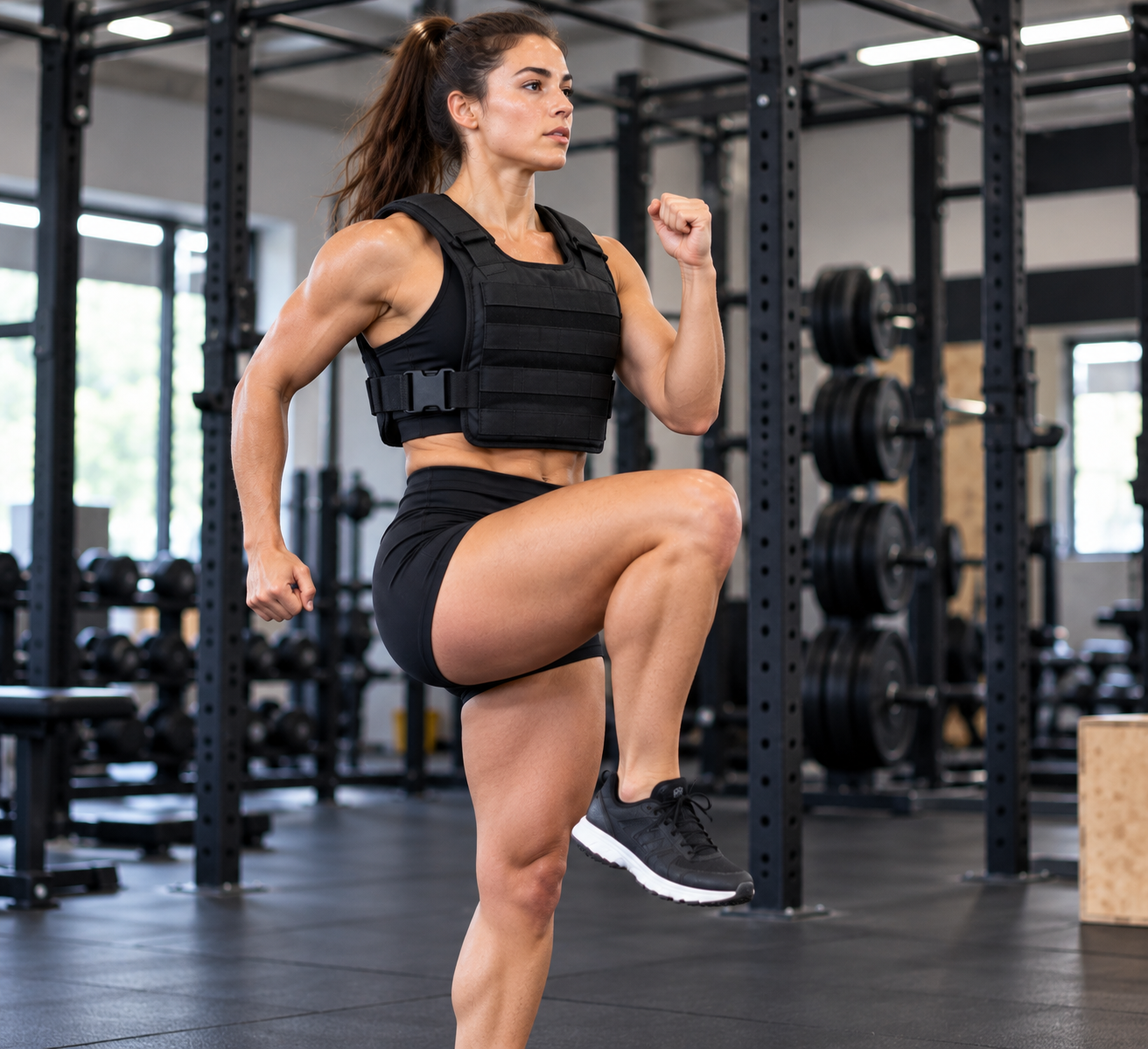
How to choose a weighted vest
The weighted vest is a weighted vest designed to increase the load during bodyweight exercises, functional training, athletic preparation, running, calisthenics, and high-intensity circuits. Choosing the right model means evaluating not only the weight, but also the fit, adjustment system, weight distribution, and compatibility with the exercises to be performed.
A well-chosen weighted vest allows you to progressively increase workout intensity while maintaining stability and comfort during movement. Conversely, an unsuitable model can limit the quality of execution, make certain exercises difficult, or compromise the load distribution on the body.
This guide outlines the main criteria for choosing a weighted vest, highlighting the specifications that really matter, the most common mistakes to avoid, and the aspects to check before purchasing.
- Quick answer
- What specifications matter?
- How to choose the right model
- Compatibility with exercises
- Comparative table
- Purchasing mistakes to avoid
- FAQ
- Evaluating the investment
How to choose a weighted vest?
The choice of a weighted vest should consider total weight, adjustment system, fit, load distribution, and compatibility with planned exercises. An adequate model must allow freedom of movement, stability during activity, and a progression consistent with your workout program.
Before purchasing, it is advisable to check the manufacturer's technical specifications, adjustment methods, and the intended use of the vest.
The decision should not be based solely on the maximum available weight but on the overall construction characteristics.
The main criterion
The best model is the one that allows you to maintain correct technique during all exercises without limiting movement.
Technical documentation
To learn about load capacity, adjustment systems, and methods of use, it is appropriate to consult the technical data sheets and manuals provided by the manufacturer.
What specifications really matter?
The features that have the greatest impact on use concern weight distribution, comfort, and the ability to adapt the vest to the workout.
A weighted vest must remain stable during dynamic movements, avoiding shifts that could alter technical execution.
The quality of the materials and the closure system also contribute to practical use over time.
Total weight and adjustment
The total weight must be consistent with the user's level and workout goals. In adjustable models, the increments allow for a gradual progression of the load.
Fit
A correct fit helps keep the vest snug against the body, reducing unwanted movement during running, pull-ups, push-ups, and other dynamic exercises.
How to choose the right model?
The choice should start with the type of workout usually performed and the frequency with which you want to modify the load.
For progressive programs, an adjustable model can be useful, while those who always use the same level of weighting may prefer a fixed-weight vest.
It is also important to check comfort, ease of adjustment, and build quality before purchasing.
Type of use
Functional training, athletic preparation, running, and bodyweight training may require different characteristics in terms of stability and weight distribution.
Load progression
The ability to gradually increase the weighting facilitates the adaptation of the workout program over time.
How to check compatibility with exercises?
The weighted vest should allow full freedom of movement during all exercises provided in the program.
Activities such as pull-ups, push-ups, running, and functional circuits require a stable vest that does not interfere with execution technique.
To complete a station dedicated to functional training, you can integrate the vest with functional training accessories.
Functional training
The vest should adapt to multidirectional movements while keeping the load distributed evenly.
Workout area
The available space must allow the complete execution of exercises without obstacles or interference with other stations. An anti-shock flooring represents a useful solution in areas dedicated to functional training.
Comparative table of choice criteria
| Element | Why it is important | What to check |
|---|---|---|
| Total weight | Determines work intensity | User level |
| Adjustment system | Allows progression | Available increments |
| Fit | Improves stability and comfort | Adjustments and closures |
| Load distribution | Influences movement | Vest design |
| Compatibility | Adapts the vest to exercises | Declared intended use |
Analyzing these criteria simultaneously allows you to choose the most suitable model without focusing exclusively on the available weight.
What mistakes to avoid during purchase?
One of the most frequent mistakes is choosing a weighted vest based solely on the maximum weight without evaluating comfort and stability.
It is also important to verify that the adjustment system is compatible with your workout program and that the vest maintains a stable position during movement.
Before each use, it is advisable to check closures, adjustments, and the general condition of the equipment.
Excessive load
Inadequate weight can compromise the technical quality of exercises and reduce movement control.
Insufficient adjustment
An unstable vest can shift during workouts, reducing comfort and effectiveness.
FAQ
Is a fixed or adjustable weighted vest better?
It depends on the need to modify the load. Adjustable models offer greater flexibility while fixed ones always maintain the same configuration.
How much should a weighted vest weigh?
The weight should be chosen based on the user's level, planned exercises, and the ability to maintain correct technique.
Is a weighted vest or a dip belt better?
The dip belt and the weighted vest distribute the load differently and meet specific needs based on the exercises performed.
Is special flooring required?
For functional workouts, a stable surface suited to the activity helps improve safety and workspace management.
Evaluating the investment
The choice of a weighted vest should be based on verifiable technical criteria such as total weight, adjustability, fit, load distribution, and compatibility with the workout program. Analyzing these aspects allows you to identify a model suitable for both individual training and professional gym use, promoting controlled progression and better execution quality during every exercise.
Comments (0)