
Trolley
You have no items in your shopping cart

 Budgets
 Dumbers
 Discs
Discs
 Benches
 Racks and Rigs
 Weights Holders
 Isotonic machines
 Calisthenics
 Cardio
 Kettlebells
 Flooring
 Gym Set
 Accessories
 Combat
 ARTI MARZIALI
 CONTAINER GYM
 Tug-Of-War
 Used Gym Equipment
 PILATES MACCHINARI
 GINNASTICA ARTISTICA
 CAMPI DA PADEL
 Prodotti in Pronta Consegna
 Informazioni
 IRONMAN
 Gift Card
- Donatif
- General information
- 0 I like it
- 10 Views
- 0 comments
- gym flooring, safety flooring, gym safety, shock-absorbing materials
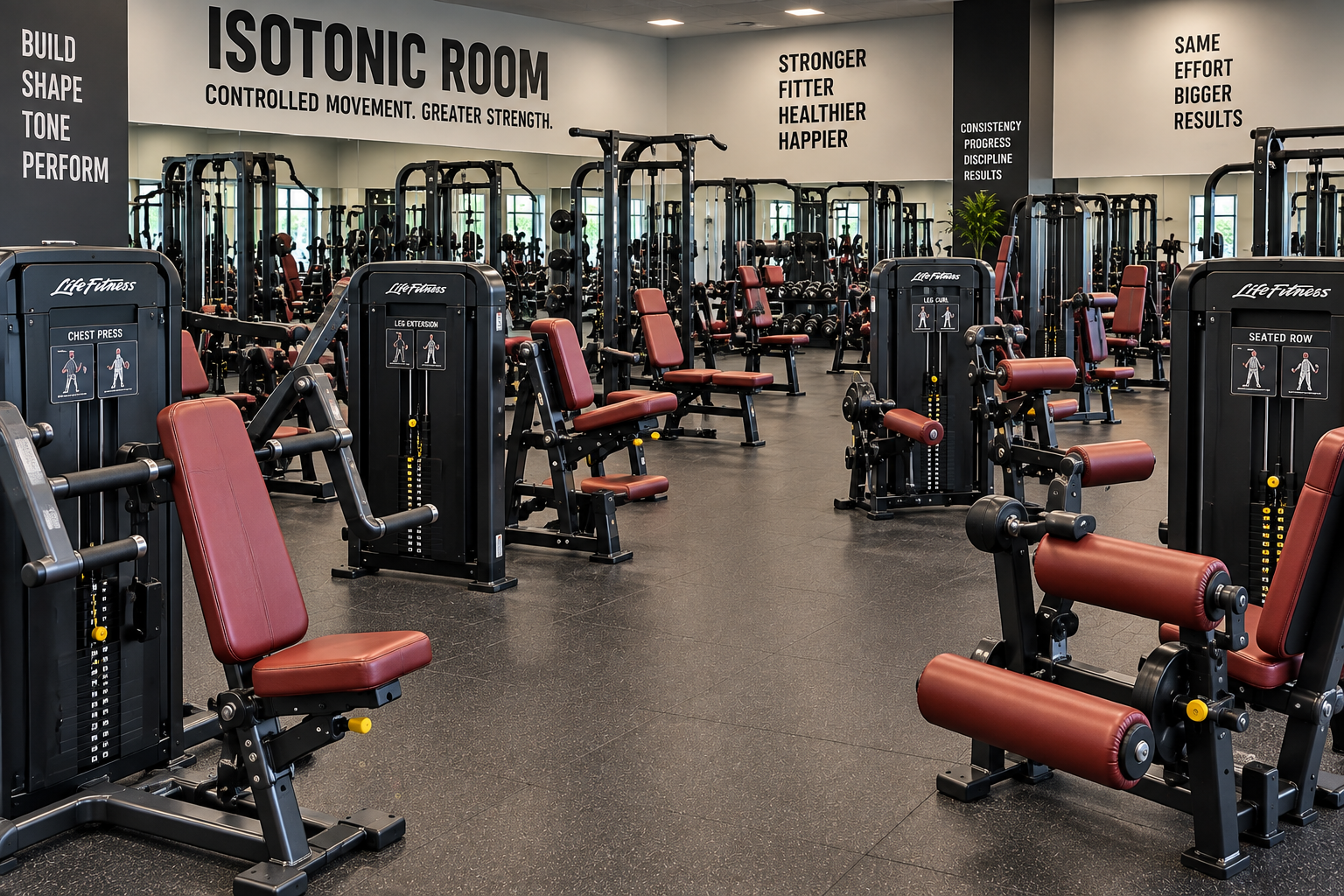
Isotonic room maintenance: maintenance plan and padding cleaning
The maintenance of an isotonic room includes all the activities necessary to keep machines, padding, and mechanical components in efficient and safe conditions. A structured plan reduces the risk of breakdowns, extends the useful life of the equipment, and helps guarantee a consistent training experience for users. Operations must be planned following the manufacturers' instructions and documented with periodic checks.
Among the most important interventions are the daily cleaning of contact surfaces, the inspection of padding, the control of parts subject to wear, and the verification of the correct functioning of adjustment systems. Acting preventively is generally more effective than managing breakdowns when they have already occurred.
This guide illustrates how to organize a maintenance plan for an isotonic room, which elements to check most frequently, how to clean the padding, and which signs may indicate the need for a technical intervention.
- Why maintenance is important
- How to organize a maintenance plan
- How to clean the padding
- Which checks to perform
- How to recognize signs of wear
- Which preventive actions to adopt
- Common mistakes to avoid
- How to plan maintenance over time
Why maintenance is important
The isotonic room consists of equipment intended for daily and often intensive use. Scheduled maintenance helps preserve performance, reliability, and operational continuity.
Regular cleaning also improves the hygienic conditions of the surfaces most used by users and allows for faster identification of any anomalies or damage to the equipment.
A documented program also facilitates the planning of technical interventions, reducing the risk of machine downtime during the gym's ordinary activity.
Management benefits
Regular checks allow interventions to be scheduled in an organized manner and service interruptions to be limited.
Extended equipment lifespan
Preventive maintenance helps reduce early component wear and maintain machine efficiency for longer.
How to organize a maintenance plan
An effective plan should divide activities into daily checks, periodic inspections, and scheduled interventions according to the instructions in the manufacturers' manuals.
Daily operations normally include cleaning contact surfaces and a quick visual check of the general state of the equipment. Periodic checks instead delve into mechanical elements and adjustment systems.
It is advisable to record each intervention in specific documentation indicating the date, the machine involved, the operation performed, and any anomalies found.
Daily activities
Visual verification, surface cleaning, room tidiness control, and immediate reporting of any damage represent the basis of a maintenance plan.
Scheduled interventions
Lubrication, mechanical checks, replacement of components subject to wear, and technical verifications must be planned following the manufacturer's instructions.
How to clean the padding
The padding constitutes one of the main contact points between the user and the machine. Regular cleaning helps maintain adequate hygienic conditions and preserve the covering materials over time.
To avoid damage, it is appropriate to use exclusively products compatible with the material indicated by the manufacturer, avoiding aggressive detergents or abrasive tools that could alter the surface.
After cleaning, it is advisable to check for the absence of cuts, cracks, open seams, or deformations that could require a repair or replacement intervention.
Choice of products
Always refer to the manufacturer's instructions to identify detergents and cleaning methods compatible with the padding covering.
Surface check
A visual inspection after cleaning facilitates the identification of initial wear before it compromises the use of the machine.
Which checks to perform
In addition to cleaning, it is necessary to periodically verify the correct functioning of adjustments, sliding systems, moving parts, and locking devices.
Verifications should also include cables, pulleys, fixing points, structural elements, and components subject to repeated stress during use.
The frequency of checks depends on the intensity of use of the gym and the indications reported in the technical documentation of the individual equipment.
Mechanical components
Moving parts must function regularly without abnormal play, excessive friction, or unusual noises.
Adjustment systems
The adjustments of seats, backrests, and supports must be stable, easily usable, and free of malfunctions.
How to recognize signs of wear
Effective maintenance involves the early recognition of signs indicating possible equipment deterioration.
Deformed padding, damaged seams, torn coverings, abnormal noises, and difficulties in adjustment systems represent elements that deserve in-depth verification.
Even any structural oscillations or unintended movements during exercise require technical control before continuing with use.
Padding wear
Cuts, loss of elasticity, and permanent deformations can reduce the comfort and functionality of the station.
Mechanical anomalies
Unusual noises, adjustment difficulties, or irregular movements represent signs that should not be overlooked.
Which preventive actions to adopt
Prevention begins with the correct use of the machines by users and with constant supervision activities by the staff.
Informing users about the correct methods for adjusting equipment helps limit wear due to improper uses.
An anti-trauma flooring kept in good conditions also facilitates machine stability and helps preserve the training environment.
Staff role
Trained personnel can quickly identify anomalies, intervene promptly, and record the verifications performed.
Correct use of machines
Adjusting the equipment following the manufacturer's instructions helps reduce wear and maintain constant performance.
Common mistakes to avoid
One of the most common mistakes is performing maintenance only after a breakdown appears. A preventive approach instead allows interventions to be scheduled with greater efficiency.
Another critical issue concerns the use of detergents not compatible with the padding surfaces or the failure to record the verifications performed.
Neglecting small signs of wear can lead to more complex and costly interventions in the medium term.
Lack of planning
Operating without a structured plan makes it difficult to monitor the state of the equipment and organize future maintenance.
Delayed interventions
Postponing repairs when the first signs of deterioration emerge can increase the extent of the problem.
How to plan maintenance over time
A maintenance plan should be considered an integral part of the management of the isotonic room and not a separate activity from the area's design.
When choosing equipment, it is also useful to evaluate ease of cleaning, component accessibility, spare parts availability, and simplicity of scheduled interventions, elements that directly affect long-term management costs.
To explore solutions dedicated to selectorized areas, you can consult the category of isotonic machines. Organizing periodic checks following the manufacturer's technical documentation allows you to keep the room efficient, tidy, and ready for continuous use.
Comments (0)