
Trolley
You have no items in your shopping cart

 Budgets
 Dumbers
 Discs
Discs
 Benches
 Racks and Rigs
 Weights Holders
 Isotonic machines
 Calisthenics
 Cardio
 Kettlebells
 Flooring
 Gym Set
 Accessories
 Combat
 ARTI MARZIALI
 CONTAINER GYM
 Tug-Of-War
 Used Gym Equipment
 PILATES MACCHINARI
 GINNASTICA ARTISTICA
 CAMPI DA PADEL
 Prodotti in Pronta Consegna
 Informazioni
 IRONMAN
 Gift Card
- Donatif
- General information
- 0 I like it
- 10 Views
- 0 comments
- gym flooring, safety flooring, gym safety, shock-absorbing materials
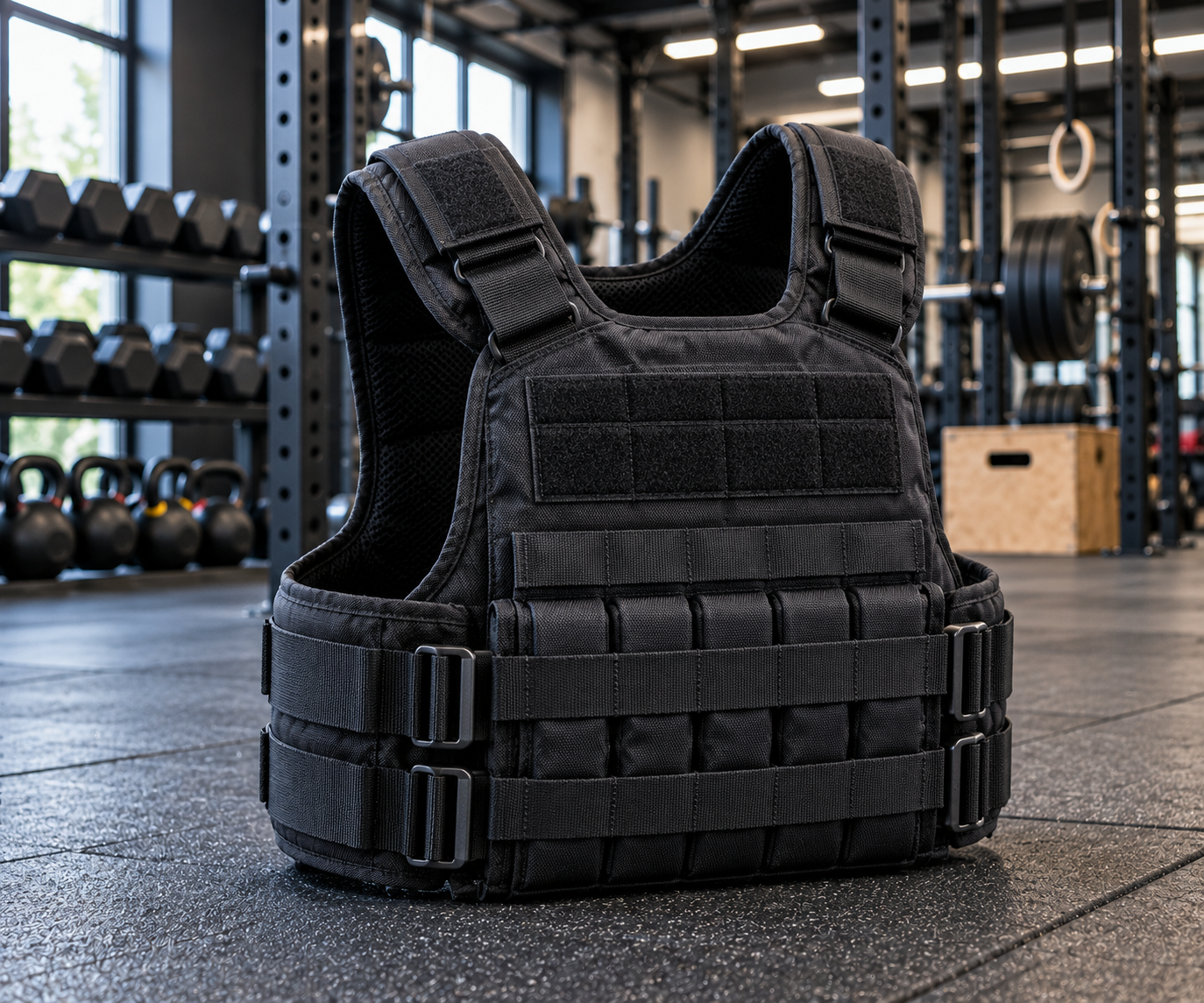
Weighted Vest Maintenance: Lining Washing and Pocket Inspection
The weighted vest is a weighted vest designed to support additional loads during functional training, athletic preparation, calisthenics, and bodyweight activities. Frequent use exposes the lining to sweat, dust, and abrasion, while pockets, seams, and closure systems are subjected to continuous mechanical stress. Regular maintenance helps preserve functionality, comfort, and safety over time.
Maintenance operations are not limited to simple washing. It is important to periodically check the condition of the lining, verify the integrity of the weight pockets, inspect seams and closures, and store the vest in appropriate conditions. The frequency of checks depends on the intensity of use and the environment in which it is used.
This guide illustrates how to properly maintain your weighted vest, which components to check, what signs of wear to monitor, and when to evaluate equipment replacement. For washing and maintenance methods, it is always necessary to follow the manufacturer's instructions.
- Quick Answer
- What to Check
- Frequencies and Signs of Wear
- How to Clean the Weighted Vest
- When to Intervene or Replace It
- Preventive Actions
- FAQ
- Evaluating the Investment
How to perform maintenance on a weighted vest?
The weighted vest should be cleaned regularly, checked before use, and periodically inspected by verifying the lining, pockets, seams, and closure systems. Any damage that may compromise stability or safety requires verification and, when necessary, replacement of the product according to the manufacturer's instructions.
Consistent maintenance helps maintain comfort, functionality, and correct load distribution during training.
Washing, drying, and storage methods must always comply with the instructions provided by the manufacturer.
Decision Criteria
Lining integrity, condition of the weight pockets, seam status, closure functionality, and frequency of use represent the main aspects to monitor.
Technical Sources
For compatible detergents, cleaning methods, maintenance, and replacement, it is necessary to consult the manufacturer's technical documentation.
What to check during the inspection?
Before each workout, it is advisable to perform a visual check of the vest, inspecting all parts most subject to wear.
Special attention should be paid to the pockets holding the weights, the load-bearing seams, and the closure systems that keep the vest stable during movement.
Any material deformations or difficulties in adjustment also merit a thorough check.
Lining Inspection
The lining should be intact, without deep abrasions, tears, or evident deterioration that could compromise product durability.
Pocket Inspection
Pockets intended for weight inserts must maintain efficient shape, seams, and closure systems to prevent unwanted movement of the ballast during training.
How often should checks be performed?
The frequency of checks depends on the intensity of use, the number of users, and environmental conditions.
A visual check before each session is good practice, while more thorough inspections can be integrated into the gym's scheduled maintenance.
Recording checks helps monitor the evolution of wear and plan any replacements.
Pre-use Check
It is advisable to quickly check closures, pockets, seams, and adjustments before wearing the vest.
Scheduled Inspections
Periodic checks allow for the early detection of signs of deterioration and keep the equipment in proper condition.
How to clean the weighted vest?
Regular cleaning helps remove sweat, dust, and residue that can accumulate on the fabric and external surfaces.
Before washing, it is advisable to remove any weight inserts if the model allows and follow exclusively the instructions indicated by the manufacturer.
After cleaning, the vest should be left to dry completely before being stored or reused.
Washing the Vest
Use exclusively methods and products compatible with the weighted vest materials as indicated in the technical documentation.
Drying and Storage
Storing the vest in a clean and dry environment helps preserve its characteristics over time.
When to replace the weighted vest?
Replacement should be evaluated when the vest shows damage that can compromise safety or functionality.
Damaged seams, inefficient closure systems, deformed pockets, or deteriorated materials represent signs that require thorough verification.
Continuing to use a worn weighted vest can reduce stability and comfort during exercises.
Closure Inspection
Closures must maintain effective tightening. If they are damaged or no longer guarantee proper adjustment, it is advisable to follow the manufacturer's instructions.
Seam Inspection
Load-bearing seams must be intact and free from visible failure, especially in areas most stressed by the load.
What preventive actions help prolong its lifespan?
Proper equipment management helps reduce wear and maintain consistent performance over time.
Wearing the vest correctly, avoiding unintended uses, and storing it properly are simple measures that favor product durability.
To organize a complete station, you can integrate the vest with functional training accessories keeping the area tidy and easily manageable.
Correct Use
The vest should be used exclusively according to the methods provided by the manufacturer, avoiding overloads or unauthorized modifications.
Operating Environment
Training on safety flooring and in an tidy space helps limit accidental impacts and equipment wear.
FAQ
How often should a weighted vest be cleaned?
Frequency depends on the intensity of use. Regular cleaning helps maintain hygiene and comfort while always respecting the manufacturer's instructions.
Is it necessary to check the weight pockets?
Yes. Pockets must maintain efficient seams and closure systems to ensure proper stability of the ballast.
Can I wash the vest with any detergent?
No. It is preferable to use exclusively products compatible with the materials indicated in the manufacturer's documentation.
When is it time to replace the weighted vest?
When the lining, seams, pockets, or closure systems show damage that can compromise the safety, stability, or correct use of the equipment.
Evaluating the Investment
Proper maintenance of the weighted vest allows you to preserve its functionality and comfort over time. Regular cleaning, pocket checks, seam verification, and inspection of closure systems represent fundamental practices to keep the vest efficient and plan any replacement interventions with greater awareness in areas dedicated to functional training.
Comments (0)