
Trolley
You have no items in your shopping cart

 Budgets
 Dumbers
 Discs
Discs
 Benches
 Racks and Rigs
 Weights Holders
 Isotonic machines
 Calisthenics
 Cardio
 Kettlebells
 Flooring
 Gym Set
 Accessories
 Combat
 ARTI MARZIALI
 CONTAINER GYM
 Tug-Of-War
 Used Gym Equipment
 PILATES MACCHINARI
 GINNASTICA ARTISTICA
 CAMPI DA PADEL
 Prodotti in Pronta Consegna
 Informazioni
 IRONMAN
 Gift Card
- Donatif
- General information
- 0 I like it
- 1387 Views
- 0 comments
- gym flooring, safety flooring, gym safety, shock-absorbing materials
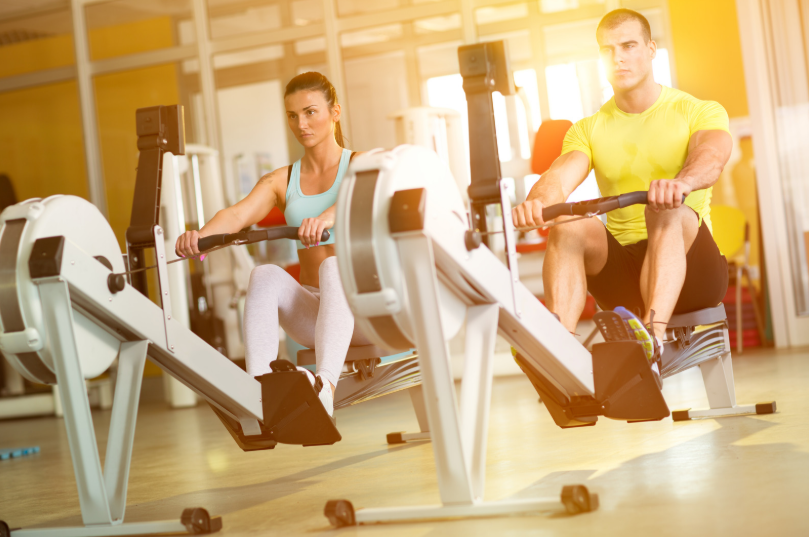
Rowing Machine Maintenance and Care: Quick Guide
Taking care of your rowing machine is one of the most important aspects of keeping the equipment efficient, safe, and enjoyable to use over time. Many users who purchase a model for home use are mainly concerned about unexpected noises, sudden breakdowns, or high repair costs. In reality, in most cases, proper rowing machine maintenance only takes a few minutes and helps prevent much more serious issues in the long run.
The good news is that advanced technical skills or complicated procedures are not required. With a simple routine of checks and cleaning, it is possible to preserve component quality, improve rowing smoothness, and extend the equipment’s lifespan. Knowing how to maintain a rowing machine correctly also helps users feel more confident and secure while training.
- Why rowing machine maintenance is important
- Cleaning the rowing machine
- Preventive rowing machine maintenance
- How often maintenance should be done
- Mistakes to avoid
Why rowing machine maintenance is important
A home rowing machine is subjected to continuous and repetitive movements involving rails, seat, resistance systems, and mechanical components. Even models designed for long-term durability require minimal attention to prevent dirt buildup, friction, and premature wear. Ignoring maintenance gradually increases the risk of reduced smoothness and annoying noises.
Proper preventive maintenance helps maintain consistent workout quality while avoiding expensive repairs. Regular checks make it possible to identify small signs of wear before they turn into more serious problems. This approach is especially useful for people who use their rowing machine several times a week in a home gym.
The most common problems caused by poor maintenance
One of the most common issues involves the accumulation of dust and sweat along the sliding rails. When the track is not cleaned regularly, the seat tends to lose smoothness and movement becomes less comfortable. Over time, squeaks, vibrations, or friction during rowing may appear.
Components such as the strap, chain, or resistance system can also deteriorate more quickly without periodic inspections. Loose screws or small structural instabilities are often underestimated, but they can compromise both performance and safety. A simple regular inspection significantly reduces the risk of sudden breakdowns.
How long a well-maintained rowing machine can last
The lifespan of a rowing machine naturally depends on build quality and frequency of use, but maintenance plays a decisive role. A properly maintained model can remain efficient for many years without requiring major repairs. This helps protect the initial investment and allows for more consistent training.
Constant care also helps maintain stable equipment performance. A rowing machine that is cleaned and checked regularly provides a smoother, quieter, and more enjoyable rowing experience. For many users, this also means greater motivation and a better perception of product quality.
Cleaning the rowing machine: what to do after every workout
Cleaning the rowing machine is the first step in keeping the equipment in optimal condition. After every workout, it is recommended to remove sweat and moisture from the main surfaces, especially handles, seat, and rails. Just a few minutes are enough to prevent buildup that could damage materials over time.
Regular cleaning also helps improve the overall hygiene of both the equipment and the home environment. Dust and dirt tend to accumulate easily in sliding areas and internal mechanisms. Neglecting these aspects can gradually reduce workout comfort.
How to properly clean the seat, rails, and handles
To clean the seat and rails, simply use a soft, slightly damp cloth. It is important to remove any sweat or dust residue from the track because buildup can increase friction and compromise movement smoothness. After cleaning, all surfaces should be dried thoroughly.
The handles also deserve special attention, especially during warmer seasons or intense workouts. Cleaning the grips regularly helps preserve the material and improves comfort during use. In foldable rowing machines, it is also useful to check less visible areas where dirt often accumulates.
Which products to use without damaging materials
For routine maintenance, it is best to use gentle and non-aggressive cleaning products. Harsh products may damage coatings, plastics, or metal components. A neutral cleaner applied with a soft cloth is generally sufficient to keep the main surfaces clean.
It is advisable to avoid oily sprays or substances not recommended by the manufacturer, especially near electronic or magnetic resistance systems. Consulting the user manual helps determine which products are actually compatible with your rowing machine model.
Preventive rowing machine maintenance
Preventive rowing machine maintenance does not require complicated procedures, only simple periodic checks. The goal is to identify signs of wear before they become more serious problems. Regular inspections improve safety, reliability, and equipment durability.
Many users believe maintenance is expensive or difficult to manage, but in practice, only a few minutes each week are needed. A simple routine greatly reduces the risk of breakdowns and improves the overall user experience.
Checking screws, components, and stability
Over time and with intense use, some screws may loosen slightly. Periodically checking the stability of the structure helps prevent vibrations and abnormal movements during training. This check is particularly important for foldable rowing machines or models used frequently.
It is also useful to inspect movable parts and seat wheels for signs of wear. Acting quickly when something unusual is noticed helps avoid more costly damage and extends the product’s lifespan.
Checking the strap, chain, and resistance system
The pulling system is one of the most important parts of the rowing machine. The chain or strap must maintain good smoothness and should not show irregular movements or unusual noises. If strange sensations occur during rowing, a more detailed inspection is recommended.
The resistance system should also function evenly. Magnetic, air, or water rowing machines may have different maintenance requirements. Following the manufacturer’s instructions helps avoid mistakes and maintain consistent performance over time.
How often should rowing machine maintenance be done?
The frequency of maintenance mainly depends on how intensively the rowing machine is used. A machine used occasionally requires less frequent checks than one used almost every day. However, some basic operations should become part of the normal post-workout routine.
Creating a simple checklist helps remember the main inspections without wasting time. This organization reduces anxiety related to possible breakdowns and helps keep the rowing machine consistently efficient.
Weekly and monthly checks
Every week, it is recommended to thoroughly clean the rails, seat, and handles while also checking for unusual noises or instability. A quick visual inspection often makes it possible to identify small problems before they worsen.
Once a month, it can be useful to perform a more in-depth inspection of screws, moving parts, and the pulling system. This approach helps maintain high equipment reliability over the long term.
When a more in-depth inspection is necessary
If the rowing machine produces unusual noises, shows irregular movement, or loses smoothness, it is important to act quickly. Continuing to use the equipment while ignoring these signs may increase component wear.
In some cases, contacting technical support or consulting the manufacturer’s manual may be useful. Prompt action reduces the risk of more serious damage and allows users to continue training safely.
Mistakes to avoid when caring for a rowing machine
Many problems arise from incorrect habits or maintenance that has been neglected for too long. Even small repeated mistakes can compromise equipment efficiency and increase management costs over time.
Understanding the most common mistakes helps users operate the rowing machine more consciously. Proper management helps protect both performance and overall product lifespan.
Habits that accelerate wear and tear
Leaving sweat and dust on surfaces is one of the most damaging habits. Using aggressive cleaning products or storing the rowing machine in overly humid environments can also accelerate material deterioration.
Another common mistake is ignoring small noises or initial vibrations. Acting immediately is always the best solution to avoid more serious damage later on.
How to avoid costly breakdowns over time
The most effective strategy is maintaining a simple but consistent routine. Regular cleaning, periodic checks, and attention to signs of wear help avoid expensive repairs and improve equipment reliability.
A properly maintained rowing machine guarantees smoother workouts, greater safety, and a significantly longer lifespan. For people training at home, this attention is a practical way to protect their investment and use the equipment with greater peace of mind over time.
Comments (0)