
Trolley
You have no items in your shopping cart

 Budgets
 Dumbers
 Discs
Discs
 Benches
 Racks and Rigs
 Weights Holders
 Isotonic machines
 Calisthenics
 Cardio
 Kettlebells
 Flooring
 Gym Set
 Accessories
 Combat
 ARTI MARZIALI
 CONTAINER GYM
 Tug-Of-War
 Used Gym Equipment
 PILATES MACCHINARI
 GINNASTICA ARTISTICA
 CAMPI DA PADEL
 Prodotti in Pronta Consegna
 Informazioni
 IRONMAN
 Gift Card
- Donatif
- General information
- 0 I like it
- 729 Views
- 0 comments
- gym flooring, safety flooring, gym safety, shock-absorbing materials
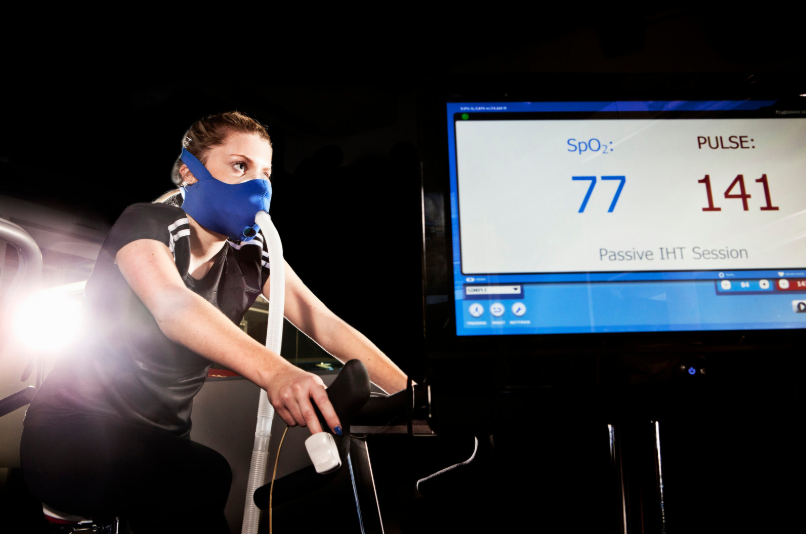
Hypoxia Masks and Filters: A Guide to Replacement and Hygiene
A hypoxic training system delivers reliable results only when every component operates under the conditions specified by the manufacturer. Hypoxia masks and HEPA filters are consumable accessories subject to wear and are the direct point of contact between the device and the athlete. For this reason, they require regular maintenance, proper sanitization, and periodic replacement to ensure high standards of safety, comfort, and performance.
Many users focus exclusively on the hypoxia generator while overlooking consumable components. In reality, a clogged filter or a worn-out mask can compromise air quality, increase the system's workload, and reduce training effectiveness. The result is higher energy consumption, lower performance, and an increased risk of bacterial contamination.
- Why maintenance is essential
- When to replace hypoxia masks
- HEPA filters and replacement
- How to properly sanitize accessories
- How maintenance affects performance
- Choosing reliable suppliers
Why Accessory Maintenance Is Essential
Every hypoxic training system is designed to operate within specific parameters. The presence of clean filters, intact masks, and properly functioning connections helps maintain the intended oxygen concentration throughout each training session. Regular maintenance is not simply a good practice—it is a fundamental requirement for preserving the system's accuracy over time.
From an economic perspective, neglecting maintenance often leads to higher costs than periodically replacing consumable parts. A clogged filter forces the hypoxia generator to work harder, increasing energy consumption and accelerating wear on internal components. The hidden cost of a clogged filter is therefore not limited to reduced performance but also includes a potential reduction in the overall lifespan of the equipment.
Hypoxia Masks: When Is It Time to Replace Them?
Signs of Wear You Should Never Ignore
Masks are the components most exposed to daily use. Plastic materials, silicone, and seals naturally deteriorate over time due to moisture from breathing, repeated cleaning, and continuous mechanical stress. As a result, deformation, hardening, or small cracks may develop, compromising the mask's airtight seal.
The most common warning signs include difficulty maintaining a proper facial seal, reduced strap elasticity, persistent odors that remain even after cleaning, and visible deterioration of the inner surface. Continuing to use a damaged mask reduces user comfort and may negatively affect the effectiveness of hypoxic training.
The Benefits of Scheduled Replacement
Implementing a scheduled replacement program helps maintain consistent training quality. Genuine replacement masks for hypoxic training ensure full compatibility with the system, preventing air leaks or pressure losses that could alter the selected hypoxia level.
For sports facilities and professional training centers, regularly replacing masks also improves hygiene management between users, reducing contamination risks while ensuring a consistently comfortable training experience.
HEPA Filters for Hypoxia Generators
How They Work
HEPA filters for hypoxia systems capture airborne particles, dust, and various contaminants before they enter the generator's air circuit. Thanks to their high filtration efficiency, they help maintain clean, stable airflow throughout every training session.
An efficient filter protects both the equipment and the athlete. It prevents impurities from entering the system while ensuring a clean and consistent airflow, which is essential for achieving reliable and repeatable training results.
When to Replace the Filter
Replacement frequency depends on operating hours, environmental conditions, and the manufacturer's recommendations. Dusty environments and intensive use naturally accelerate filter saturation.
Performing regular visual inspections and following the manufacturer's maintenance schedule is the most effective strategy for preventing performance loss and avoiding expensive repairs.
The Consequences of a Clogged Filter
A clogged filter increases airflow resistance, forcing the hypoxia generator to operate under greater strain. This may reduce overall system efficiency, increase power consumption, and accelerate wear on mechanical components.
For the user, this may result in less accurate altitude simulation and inconsistent training quality. Timely replacement helps preserve both system performance and the value of the investment.
Proper Mask Sanitization
Recommended Cleaning Procedures
Masks should be sanitized after every use according to the manufacturer's guidelines. In most cases, it is recommended to use cleaning products specifically designed for the mask materials while avoiding aggressive chemicals that may damage silicone seals or plastic components.
After cleaning, every component should be allowed to dry completely before being used again. Storing accessories in a clean, dry environment further helps prevent the growth of bacteria and mold.
Common Mistakes to Avoid
The most common mistakes include using unsuitable solvents, drying accessories with direct heat sources, and reassembling components before they are completely dry. These practices can accelerate material deterioration and shorten the lifespan of the accessories.
Similarly, sharing the same mask without proper sanitization should always be avoided, particularly in professional environments where multiple athletes use the same equipment throughout the day.
How Maintenance Impacts Performance
System Efficiency
A properly maintained hypoxia system offers greater operational stability, reduces maintenance interventions, and allows the generator to operate within its intended specifications. This results in more reliable training sessions and improved continuity for athletes and facilities alike.
Scheduled replacement of filters and masks is therefore a preventive maintenance strategy that minimizes the risk of equipment failure while maintaining maximum system efficiency.
Athlete Comfort and Safety
The quality of the hypoxic training experience also depends on respiratory comfort. A clean, well-fitting, and undamaged mask improves the athlete's experience, allowing full concentration on the workout without unnecessary distractions.
Proper maintenance also contributes to risk reduction by limiting bacterial growth and contamination, providing a safer training environment in both home gyms and professional sports facilities.
How to Choose Reliable Suppliers of Hypoxia Masks and Filters
Original Replacement Parts and Compatibility
When purchasing hypoxia masks and filters, it is essential to verify compatibility with your specific generator model. Genuine or certified replacement parts ensure performance consistent with the manufacturer's specifications while minimizing the risk of malfunctions.
Working with specialized suppliers also provides access to technical documentation, expert support, and reliable availability of consumable components—an important advantage for facilities and athletes who use hypoxia systems regularly.
Material Quality and Long-Term Reliability
The quality of the materials used in masks, seals, and filters directly affects their durability. High-quality components designed for intensive use maintain their functional characteristics for longer, reducing the need for premature replacement.
Investing in reliable accessories helps preserve the efficiency of your hypoxia system, maintain excellent hygiene standards, and ensure consistent performance during every training session. A simple preventive maintenance program can reduce unexpected costs, extend equipment lifespan, and provide athletes with a safer, more comfortable, and more professional training experience.
Comments (0)