
Trolley
You have no items in your shopping cart

 Budgets
 Dumbers
 Discs
Discs
 Benches
 Racks and Rigs
 Weights Holders
 Isotonic machines
 Calisthenics
 Cardio
 Kettlebells
 Flooring
 Gym Set
 Accessories
 Combat
 ARTI MARZIALI
 CONTAINER GYM
 Tug-Of-War
 Used Gym Equipment
 PILATES MACCHINARI
 GINNASTICA ARTISTICA
 CAMPI DA PADEL
 Prodotti in Pronta Consegna
 Informazioni
 IRONMAN
 Gift Card
- Donatif
- General information
- 0 I like it
- 136151 Views
- 0 comments
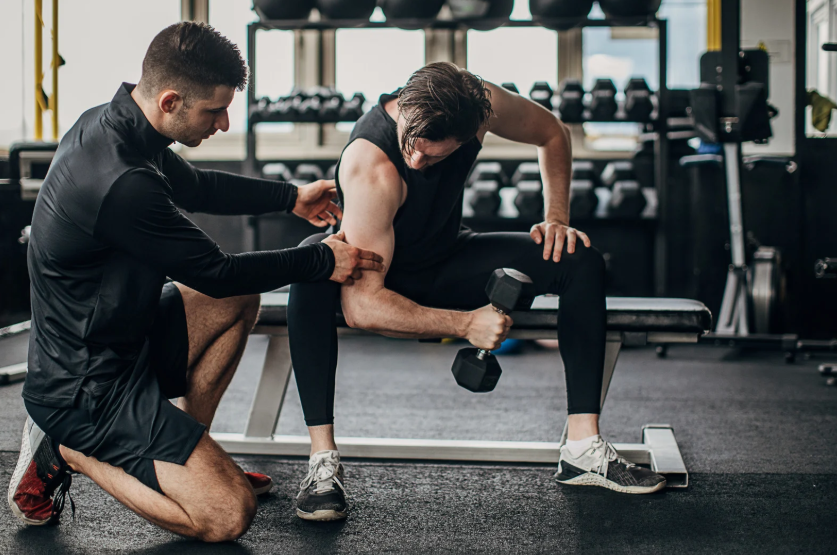
Working out in the gym is not just a way to tone muscles or lose weight: it is a real panacea for body and mind. Numerous scientific studies show that regular physical activity brings physical, mental and emotional benefits, improving the quality of life significantly. In this article, we explore all the benefits that working out in a gym offers, from improved cardiovascular health to greater mental peace of mind.
1. The physical benefits of gym training
Working out in a gym offers a wide range of physical benefits that go beyond mere aesthetic improvement. It is an activity that engages the whole body, contributing to general well-being and the prevention of many health problems. Here is an in-depth look at the main benefits you can gain:
1.1 Improved cardiovascular health
Regular exercise, such as treadmills, exercise bikes or cardio sessions on specific machines, is good for the heart. These workouts help strengthen the heart muscle, improve blood circulation and lower cholesterol levels. They also reduce the risk of hypertension, heart attack and other cardiovascular diseases.
│Example: A 30-40 minute cardio session three times a week can significantly reduce the risk of heart problems and improve physical endurance.
1.2 Increased muscular strength and endurance
Strength exercises, such as weight lifting, the use of multifunctional machines and dumbbells, are essential for building and maintaining muscle mass. These workouts help to:
- Improve muscle strength, making everyday activities easier.
- Increase endurance, allowing the body to endure more prolonged exertion.
- Support bone health, preventing problems such as osteoporosis.
Note: Muscle growth is not only for aesthetic purposes, it is also crucial for your metabolism: the more muscle you have, the more calories you burn, even at rest.
1.3 Reducing body weight
One of the main reasons why many people come to the gym is to lose weight. Through a mix of cardio and strength training, the body burns calories, speeds up the metabolism and promotes a reduction in body fat. This is especially effective when combined with a balanced diet.
☆ Tip: Combining aerobic exercises with strength training is the best strategy for sustainably losing weight and toning the body.
1.4 Improving posture and reducing pain
Regular training, especially working on the core muscles (abdominals, lumbar and obliques), helps to correct and maintain correct posture. This reduces tension and pain in the back, neck and shoulders, often caused by a sedentary lifestyle or incorrect posture.
│Recommended exercises: Planks, abdominal crunches and deadlifts are ideal for strengthening the core and improving postural balance.
1.5 Improving flexibility and mobility
Training in the gym is not only about strength and endurance, but also about the body's ability to move fluidly and without restrictions. Stretching exercises, yoga or functional movements improve flexibility and joint mobility, reducing the risk of injury during physical activity and in everyday life.
│Example: A weekly post-workout stretching session helps maintain flexibility and prevent muscle tension.
1.6 Prevention of chronic diseases
Regular physical activity is one of the most effective weapons for preventing various chronic diseases:
- Diabetes: Exercise improves insulin sensitivity and helps keep blood sugar levels under control.
- Hypertension: Aerobic exercises lower blood pressure and promote better circulation.
- Osteoporosis: Lifting weights and resistance training improves bone density, reducing the risk of fractures.
- Obesity: The combination of training and diet helps maintain a healthy weight, reducing the incidence of associated diseases.
1.7 Benefits for the immune system
Working out in the gym stimulates the immune system, helping the body to better fight off viruses and infections. Moderate exercise increases the production of immune cells, making you more resistant to disease.
1.8 Increased energy
Contrary to what you might think, exercising regularly does not make you tired, but increases your energy levels. Thanks to improved circulation and a more efficient respiratory system, you will feel more energised and ready to face daily challenges.
☆ Tip: A 20-minute HIIT (High-Intensity Interval Training) workout can give you an instant burst of energy and improve your mood.
2. The mental benefits of gym training
Working out is not just a matter of physique: the gym is also a powerful ally for the mind.
- Stress reduction: Exercise stimulates the production of endorphins, the 'happy hormones', which reduce anxiety and tension.
- Improved sleep: Working out helps regulate the sleep-wake cycle, promoting deeper, more restful sleep.
- Increased concentration: Physical activity improves blood flow to the brain, enhancing memory and cognitive abilities.
- Increasedself-esteem: Achieving small goals in the gym boosts self-confidence and determination.
- Prevention of depression: Regular physical activity has been proven to help combat mild and moderate states of depression.
│Example: A 30-minute exercise session, even a light one, can turn a stressful day into a positive and motivating experience.
3. Training as a lifestyle
Integrating gym training into your daily routine is not just a healthy habit, but a lifestyle.
- Continuous motivation: The gym offers a stimulating environment in which to train in the company of people with similar goals.
- Variety of exercises: Thanks to the diversity of equipment and classes available, it is possible to create workouts that are always new and fun.
- Long-term benefits: Maintaining a regular routine contributes to healthier ageing, improving mobility and quality of life.
Tip: Committing to a customised training programme with the help of a trainer can make all the difference in achieving your goals.
4. How to start benefiting from gym training
If you don't have a gym workout routine yet, getting started can seem like a daunting task, but with the right steps and good planning, you can create a tailor-made path to reach your goals. Here are some tips to get you off to a good start and get the most out of your gym workout.
Set your goals
First of all, ask yourself what you want to achieve from your workout. Defining a clear goal is the first step in keeping motivation high and creating an effective plan. Goals can be different:
- Lose weight: If your main goal is to lose weight, focus on a mix of cardio and strength training to maximise calorie consumption.
- Increase strength: If you want to develop your muscles, plan sessions with free weights, barbells and strength machines.
- Improving general well-being: If your aim is simply to feel better, focus on balanced workouts that include cardio, stretching and strength training.
- Relax or reduce stress: In this case, you could benefit from activities such as yoga, Pilates or low-intensity exercise.
☆ Tip: Write down your goals on a sheet of paper or in a tracking app to remember them each time you train and monitor your progress.
Start gradually
Don't feel obliged to start with intense or long workouts. The secret to a successful routine is to start gradually, allowing your body to adapt:
- Initial duration: Even just 20-30 minutes of exercise a day can make a big difference. As your endurance and confidence increase, you can increase the duration and intensity of your workouts.
- Frequency: Start with 2-3 sessions per week to avoid overloading your body. Gradually add more days as you feel more comfortable.
- Simple movements: Focus on basic exercises, such as walking on the treadmill, doing lunges or squats with only your body weight.
│Note: Don't be afraid to take breaks when necessary. A gradual approach reduces the risk of injury and helps you build a solid base.
Choose equipment and courses that suit you
The gym offers a wide range of equipment and classes, and it is important to find what works best for you and what you really enjoy. Exploring different options will help you discover what motivates you the most:
- Cardio machines: Treadmills, exercise bikes and ellipticals are great for improving endurance and burning calories.
- Gym Kits and Sets: Perfect for developing strength and working on specific muscle groups.
- Fitness classes: If you prefer working out in a group, consider classes such as spinning, yoga or functional training. The energy of a group can motivate you and help you enjoy your workout.
- Functional areas: For those who like dynamic exercises, functional areas offer equipment such as kettlebells, medicine balls and ropes for high-intensity workouts.
│Tip: If you are not sure where to start, ask a personal trainer for support. An expert can help you choose the exercises best suited to your goals and show you how to use the equipment correctly.
Find your routine
Consistency is the key to success in any training programme. To build a new habit, dedicate specific times of the week to your workout:
- Choose fixed days and times: Find the time of day when you feel most energetic, such as early morning or late afternoon, and plan your workouts around those times.
- Alternate workouts: To avoid boredom and train your whole body, alternate cardio days with strength days and incorporate stretching or yoga sessions.
- Monitor your progress: Keep track of your workouts in a diary or app to see how much you have improved and keep your motivation high.
│Practical example: An initial weekly routine could include:
- Monday30 minutes on the treadmill at a moderate pace.
- Wednesday: Strength training for the upper body with free weights.
- FridayFriday : Light functional training with elastic bands and kettlebells.
Overcoming the first difficulties
Getting started can be difficult, especially if you have never been to a gym before. Here are some tips for overcoming the initial challenges:
- Don't compare yourself to others: Remember that everyone has a different path. Focus on your own progress without worrying about those around you.
- Find company: Working out with a friend can make the experience more enjoyable and help you stay consistent.
- Celebrate small successes: Even reaching small goals, such as completing three sessions in one week, is a big achievement and deserves to be celebrated.
Conclusion
Working out in the gym is more than just a physical activity: it is a lifestyle choice that positively affects every aspect of personal well-being. It is not just about improving one's outward appearance or achieving an ideal weight, but about embarking on a journey that involves both body and mind. From increased physical energy to stress reduction and increased self-awareness, the benefits that the gym offers are numerous, tangible and accessible to anyone, regardless of age, fitness level or specific goals.
Working out means dedicating precious time to yourself, in a motivating and stimulating environment, where each session becomes a step towards a better version of yourself. It is an opportunity to improve cardiovascular health, strengthen the muscular and bone systems, and prevent numerous health problems. At the same time, the gym is also a mental refuge, a place to recharge your energy, de-stress and regain inner balance.
No matter whether you are a beginner taking your first steps or an experienced athlete aiming for new heights: the gym adapts to you and supports you on your journey. With a choice of advanced machines, fitness classes and multifunctional equipment, each workout can be customised to meet your needs, making the journey not only effective but also enjoyable.
Making ahabit of going to the gym is not only a way to reach your fitness goals, but a real form of investment in yourself. Every minute you spend working out is a step towards greater self-confidence, better health and a higher quality of life. It is a commitment that pays off over time, leading you to live with greater energy, positivity and awareness.
Discover how to create the perfect training space for you. Discover our high-quality, customisable equipment ideal for every need at Donatif.com. Start your journey to wellness today and turn your workout into a new winning habit that will improve every aspect of your life!
READING TIME: 5 MINUTES ➤➤
Training at the gym is not just a way to tone muscles or lose weight: it is a true remedy for both body and mind. Numerous scientific studies show that regular physical activity provides physical, mental, and emotional benefits, significantly improving overall quality of life. In this article, we will explore all the advantages that gym training offers, from better cardiovascular health to greater mental well-being.
1. The Physical Benefits of Training at the Gym
Gym training offers a wide range of physical benefits that go far beyond simple aesthetic improvement. It is an activity that engages the entire body, contributing to overall well-being and the prevention of many health issues. Here is a deeper look at the main advantages you can achieve:
1.1 Improved Cardiovascular Health
Regular physical exercise, such as using the treadmill, exercise bike, or engaging in cardio sessions on specific machines, is extremely beneficial for the heart. These workouts help strengthen the heart muscle, improve blood circulation, and lower cholesterol levels. In addition, they reduce the risk of hypertension, heart attack, and other cardiovascular diseases.
│Example: A 30–40 minute cardio session three times a week can significantly reduce heart-related risks and improve physical endurance.
1.2 Increased Muscle Strength and Endurance
Strength exercises, such as weightlifting, using multifunction machines, and dumbbells, are essential for building and maintaining muscle mass. These workouts help to:
- Improve muscle strength, making daily activities easier.
- Increase endurance, allowing the body to sustain longer efforts.
- Support bone health, preventing issues such as osteoporosis.
Note: Muscle growth is not only for aesthetic purposes; it is also crucial for metabolism. The more muscle you have, the more calories you burn, even at rest.
1.3 Weight Reduction
One of the main reasons many people join a gym is weight loss. Through a combination of cardio and strength training, the body burns calories, boosts metabolism, and promotes fat reduction. This approach is especially effective when combined with a balanced diet.
☆ Tip: Combining aerobic exercises with strength training is the best strategy for sustainable weight loss and body toning.
1.4 Improved Posture and Pain Reduction
Training regularly, especially by working on core muscles (abdominals, lower back, and obliques), helps correct and maintain proper posture. This reduces tension and pain in the back, neck, and shoulders, often caused by a sedentary lifestyle or poor positioning.
│Recommended exercises: Planks, abdominal crunches, and deadlifts are ideal for strengthening the core and improving postural balance.
1.5 Improved Flexibility and Mobility
Gym training is not only about strength and endurance but also about the body’s ability to move smoothly and without restriction. Stretching exercises, yoga, or functional movements improve flexibility and joint mobility, reducing the risk of injuries both during workouts and in daily life.
│Example: A weekly post-workout stretching session helps maintain flexibility and prevent muscle tension.
1.6 Prevention of Chronic Diseases
Regular physical activity is one of the most effective tools for preventing several chronic diseases:
- Diabetes: Training improves insulin sensitivity and helps regulate blood sugar levels.
- Hypertension: Aerobic exercises lower blood pressure and promote better circulation.
- Osteoporosis: Weightlifting and resistance training improve bone density, reducing fracture risk.
- Obesity: The combination of exercise and a healthy diet helps maintain a healthy weight and reduce related health conditions.
1.7 Benefits for the Immune System
Working out at the gym stimulates the immune system, helping the body better fight viruses and infections. Moderate exercise increases the production of immune cells, making you more resilient against illness.
1.8 Increased Energy Levels
Contrary to what one might think, training regularly does not drain your energy; it actually increases it. Thanks to improved circulation and greater respiratory efficiency, you will feel more energized and ready to face daily challenges.
☆ Tip: A 20-minute HIIT (High-Intensity Interval Training) session can provide an immediate energy boost and improve your mood.
2. The Mental Benefits of Training at the Gym
Working out is not just about the body: the gym is also a powerful ally for the mind.
- Stress reduction: Physical exercise stimulates the production of endorphins, the “feel-good hormones,” which reduce anxiety and tension.
- Improved sleep: Training helps regulate the sleep-wake cycle, promoting deeper and more restorative rest.
- Enhanced concentration: Physical activity improves blood flow to the brain, boosting memory and cognitive abilities.
- Increased self-esteem: Achieving small milestones at the gym strengthens self-confidence and determination.
- Depression prevention: Regular physical activity has been shown to help combat mild to moderate depressive states.
│Example: A 30-minute workout session, even a light one, can transform a stressful day into a positive and motivating experience.
3. Training as a Lifestyle
Incorporating gym training into your daily routine is not just a healthy habit but a true lifestyle choice.
- Continuous motivation: The gym offers a stimulating environment where you can train alongside people with similar goals.
- Variety of exercises: Thanks to the wide range of equipment and classes available, you can create new and enjoyable workouts every time.
- Long-term benefits: Maintaining a regular routine contributes to healthier aging, improving mobility and overall quality of life.
Tip: Committing to a personalized training program with the help of a trainer can make a significant difference in achieving your goals.
4. How to Start Benefiting from Gym Training
If you do not yet have a gym routine, getting started may seem challenging, but with the right steps and proper planning, you can create a tailored path to achieve your goals. Here are some tips to help you get started and make the most of your gym training.
Set Your Goals
First of all, ask yourself what you want to achieve with your training. Defining a clear goal is the first step in staying motivated and creating an effective plan. Goals may include:
- Losing weight: Focus on a mix of cardio and strength workouts to maximize calorie burn.
- Building strength: Plan sessions with free weights, barbells, and strength machines.
- Improving overall well-being: Choose balanced workouts that include cardio, stretching, and strength training.
- Relaxing or reducing stress: Consider activities such as yoga, Pilates, or low-intensity exercises.
☆ Tip: Write your goals down on paper or in a tracking app to monitor your progress and stay motivated.
Start Gradually
Do not feel obligated to begin with intense or long workouts. The secret to a successful routine is starting gradually, allowing your body to adapt:
- Initial duration: Even 20–30 minutes of exercise per day can make a big difference. As your endurance and confidence grow, you can increase duration and intensity.
- Frequency: Start with 2–3 sessions per week to avoid overloading your body.
- Simple movements: Focus on basic exercises such as walking on the treadmill, lunges, or bodyweight squats.
│Note: Do not be afraid to take breaks when necessary. A gradual approach reduces the risk of injury and helps you build a solid foundation.
Choose Equipment and Classes That Suit You
The gym offers a wide range of machines and classes, and it is important to find what works best for you and what you truly enjoy:
- Cardio machines: Treadmills, exercise bikes, and ellipticals are excellent for improving endurance and burning calories.
- Gym Kits and Sets: Perfect for building strength and targeting specific muscle groups.
- Fitness classes: If you prefer group training, consider spinning, yoga, or functional training.
- Functional areas: For dynamic workouts, use kettlebells, medicine balls, and battle ropes.
│Tip: If you are unsure where to start, ask a personal trainer for guidance.
Overcome Initial Challenges
Getting started can be difficult, especially if you have never been to a gym before:
- Do not compare yourself to others: Everyone has a different journey.
- Find a workout partner: Training with a friend can make the experience more enjoyable.
Celebrate small successes: Even completing three sessions in one week is a great achievement and deserves recognition.
Conclusion
Gym training represents much more than simple physical activity: it is a lifestyle choice that positively influences every aspect of personal well-being. It is not only about improving your appearance or reaching an ideal weight, but about embarking on a journey that involves both the body and the mind.
Training means dedicating valuable time to yourself in a motivating environment where every session becomes a step toward a better version of you. Discover how to create the perfect workout space for your needs. Explore our high-quality, customizable equipment on Donatif.com and start your journey toward well-being today.
Comments (0)