
Trolley
You have no items in your shopping cart

 Budgets
 Dumbers
 Discs
Discs
 Benches
 Racks and Rigs
 Weights Holders
 Isotonic machines
 Calisthenics
 Cardio
 Kettlebells
 Flooring
 Gym Set
 Accessories
 Combat
 ARTI MARZIALI
 CONTAINER GYM
 Tug-Of-War
 Used Gym Equipment
 PILATES MACCHINARI
 GINNASTICA ARTISTICA
 CAMPI DA PADEL
 Prodotti in Pronta Consegna
 Informazioni
 IRONMAN
 Gift Card
- Donatif
- General information
- 0 I like it
- 2579 Views
- 0 comments
- stress reduction, improved self-esteem, physical and mental well-being, gym training
READING TIME: 5 MINUTES ➤➤
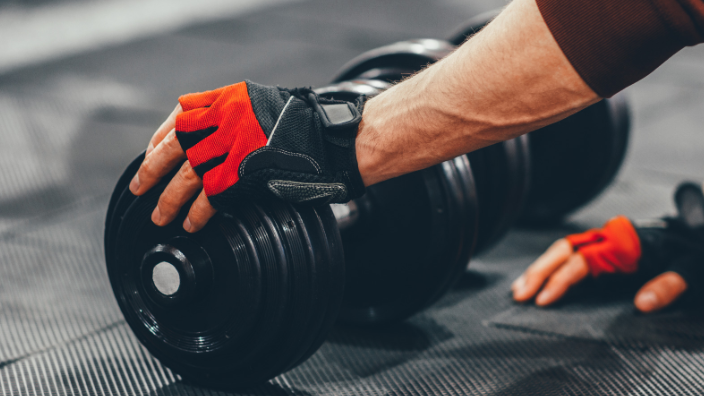
When it comes to streetlifting and bar workouts, strength isn't the only determining factor. Often, the real limitation comes from something much simpler: the grip. An unstable grip can compromise the quality of execution, limit repetitions, and in the worst cases, completely interrupt the training session. For this reason, choosing the right streetlifting gloves is not just a matter of comfort, but a real strategic element for those who train consistently.
Many athletes underestimate the role of hand protection until the first calluses, abrasions, or that annoying burning sensation on the palm appear. When that happens, training becomes less effective, and often the intensity must be reduced. Using gloves designed for intense pull-ups and weighted work instead allows you to preserve grip, maintain stability on the bar, and train more safely in the long term.
Read also:
How to choose the right gloves for streetlifting
Why gloves can improve workout quality
In the world of streetlifting, grip quality is a fundamental element. Every pull-up, dip or bar exercise requires a stable connection between the hand and the equipment. When the skin of the palm starts to slip or get irritated, the athlete’s focus shifts from technique to managing pain or instability. Using streetlifting gloves designed for grip helps maintain a firmer contact with the bar and reduces energy loss during the exercise.
This becomes even more important when training includes added weights. In weighted pull-ups, for example, the tension on the hands increases significantly, and any weak point in the grip can become a real limitation to performance. A good pair of gloves for intense pull-ups helps stabilize the palm and better distribute the pressure, making each rep more controlled.
When gloves really become necessary during pull-ups
Not all athletes start using gloves right away during training. However, as the workload or intensity increases, the need to protect the hands becomes obvious. Frequent bar sessions, especially in home gyms or calisthenics parks, expose the skin to constant friction that can lead to deep calluses or irritation over time.
In these situations, gloves with protected grip are not just an accessory, but a tool that allows you to keep training without interruptions. Protecting your hands means maintaining training continuity and avoiding forced breaks due to pain or micro-injuries on the palm.
Secure grip in pull-ups and weighted exercises
The role of grip during bar exercises
Grip is the direct point of contact between the body and the equipment. When that contact is stable, the athlete can focus on technique, movement trajectory, and strength control. On the contrary, an uncertain grip causes compensations and reduces exercise efficiency. Non-slip grip gloves are designed precisely to improve this interaction between hand and bar.
Rubberized surfaces, silicone inserts, or high-friction materials allow for a more secure grip even when the hands start to sweat. This is particularly useful during long sessions or summer workouts, where loss of grip can become a major performance limiter.
How to avoid grip loss during intense training
In streetlifting workouts, hand fatigue often comes before muscle fatigue. The palm gets tired, the skin stiffens, and the grip starts to lose stability. Using gloves for weighted pull-ups helps reduce this phenomenon by distributing the load more evenly between fingers and palm.
When the grip stays stable, exercise safety also increases. The athlete can focus on movement control and weight progression, without the constant fear that the hand might slip during the most demanding phase of the pull-up.
Hand protection and callus prevention
Why calluses and abrasions can stop your training
Calluses are a natural consequence of bar training, but when they get too thick or tear, they can become a serious problem. A ripped callus or irritated skin on the palm makes every exercise painful and often forces a reduction in training volume.
Anti-callus gym gloves create a protective barrier between the skin and the bar’s surface, reducing direct friction. This doesn’t completely eliminate callus formation, but it limits its severity and helps keep the skin in better condition over time.
Gloves and long-term training consistency
One of the most important aspects of training is consistency. Interrupting a routine due to hand problems can slow progress and reduce motivation. Using gloves designed to protect the palm helps prevent these issues and maintain a stable routine.
For those with sensitive hands or who tend to develop calluses quickly, choosing gloves with ergonomic padding and soft materials can make a big difference. The result is more sustainable training with fewer interruptions over time.
Materials and glove construction
Materials that improve grip and durability
The quality of materials is one of the key differences between an ordinary pair of gloves and a product truly suited for streetlifting. Reinforced technical fabrics, anti-slip inserts, and padded palms are designed to withstand the stress caused by intense pull-ups and weighted work.
Materials such as high-density microfiber, reinforced synthetic leather, or technical neoprene offer an effective combination of grip and resistance. These materials provide a stable grip without compromising finger mobility—crucial for maintaining sensitivity during exercises.
Comfort, breathability, and fit
A good glove must not only offer protection, but also naturally adapt to the hand. Fit is essential to avoid folds or pressure points that could cause discomfort during training. Ergonomic gym gloves are designed to follow the shape of the palm and fingers, improving the feeling of control.
Breathability also plays an important role. Technical fabric inserts and ventilated areas help keep hands dry, reducing sweat buildup that could compromise grip on the bar.
Gloves for intense and frequent training
Wear resistance and stitching
Athletes who train frequently put their gear under much higher stress than average. For this reason, it’s essential to choose durable gym gloves, designed to withstand constant friction and repeated loads.
Reinforced stitching, double palms, and abrasion-resistant materials contribute to extending the product’s lifespan. A carefully built pair of gloves can support months of intense training without losing effectiveness.
When it's worth investing in a quality product
Often, the difference between a cheap glove and one designed for intense workouts becomes clear after just a few weeks of use. Poor materials tend to deform, lose grip, or tear in high-stress areas. On the other hand, choosing quality streetlifting gloves means investing in a tool that truly supports your training.
If grip is your weak point, protecting it becomes a priority. A well-designed pair of gloves not only improves hand comfort but also helps make each session more stable, safer, and long-lasting.
Comments (0)