
Trolley
You have no items in your shopping cart

 Budgets
 Dumbers
 Discs
Discs
 Benches
 Racks and Rigs
 Weights Holders
 Isotonic machines
 Calisthenics
 Cardio
 Kettlebells
 Flooring
 Gym Set
 Accessories
 Combat
 ARTI MARZIALI
 CONTAINER GYM
 Tug-Of-War
 Used Gym Equipment
 PILATES MACCHINARI
 GINNASTICA ARTISTICA
 CAMPI DA PADEL
 Prodotti in Pronta Consegna
 Informazioni
 IRONMAN
 Gift Card
- Donatif
- General information
- 0 I like it
- 2846 Views
- 0 comments
READING TIME: 6 MINUTES ➤➤
Targeted Chest Stretching to Open Rounded Shoulders Caused by PC and Smartphone Use
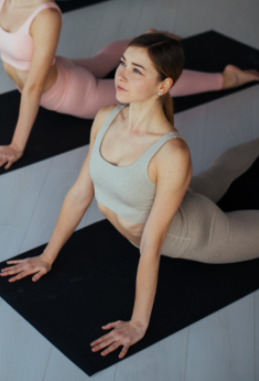
Many people spend hours in front of a computer screen or looking down at their smartphone without realizing how much these habits affect their posture. The shoulders gradually round forward, the chest loses its natural openness, and the body adopts a position that eventually feels normal. Targeted stretching of the chest muscles is one of the simplest and most effective ways to reverse this pattern and immediately restore a feeling of openness across the front of the body.
Working on a relatively small muscle group like the pectorals can dramatically change your perception of overall posture. Just a few minutes of stretching can make your shoulders feel lighter, your breathing easier, and your upper body more naturally aligned. This immediate effect is one of the reasons why chest stretching is so popular among people who spend long hours at a computer or frequently use a smartphone.
- Why the pectoral muscles influence shoulder posture
- Why stretching immediately changes postural awareness
- Principles for safe and effective stretching
- Targeted chest stretching exercises
- Making chest stretching part of your daily routine
Why the Pectoral Muscles Influence Shoulder Posture
The pectoral muscles are part of the body's anterior muscular chain and play a key role in shoulder positioning. When they become tight and shortened, they naturally pull the shoulders forward and inward, encouraging a rounded posture. This is especially common among people who spend long hours sitting with their arms positioned in front of their body and their head leaning forward.
Over time, this posture becomes habitual, and the body begins to perceive it as normal. Rounded shoulders are not simply an aesthetic issue—they also affect chest mobility, breathing mechanics, and the distribution of tension throughout the spine. Stretching the pectorals therefore addresses one of the primary causes of a closed, forward-rounded posture.
The Role of the Pectoral Muscles in Rounded Posture
The pectoral muscles connect the chest to the arms and contribute to shoulder adduction and internal rotation. When they remain constantly shortened, they restrict thoracic extension and prevent the shoulders from returning to a more open, natural position. This explains why many people feel they have to "force" themselves to stand up straight.
Chest stretching directly addresses this muscular imbalance by restoring muscle length and allowing the shoulders to move backward naturally rather than through conscious effort. The result is a posture that appears more upright, feels less rigid, and provides greater freedom throughout the upper body.
Rounded Shoulders and a Closed Chest: What's Really Happening?
A closed chest limits the rib cage's ability to expand during breathing and contributes to an overall feeling of stiffness. Forward-rounded shoulders also alter the relationship between the neck and torso, increasing tension in the cervical region. This pattern is extremely common among people who spend long periods working at a computer or looking down at their smartphones.
Opening the chest through targeted exercises helps counteract these effects while improving your awareness of body alignment. Even just a few minutes a day can make a noticeable difference, especially when practiced consistently and mindfully.
Why Stretching the Pectorals Immediately Changes Postural Awareness
One of the most appreciated benefits of chest stretching is its immediate sense of relief. Right after stretching, many people notice a feeling of openness across the front of the body and greater freedom in the shoulders. This happens because the nervous system quickly responds to changes in muscle tension.
Posture isn't determined solely by strength or flexibility—it also depends on perception. As the pectoral muscles relax, the body recognizes a new position as more comfortable, making it easier to maintain during everyday activities.
Understanding Chest Opening
Opening the chest doesn't mean forcefully pushing it outward. Instead, it means allowing the sternum to move freely while enabling the shoulders to settle into a more neutral position. Chest-opening exercises promote this mobility and encourage a more natural alignment of the upper body.
Over time, this feeling of openness becomes a useful reference point while sitting at a computer or using a smartphone. The body gradually learns to recognize—and prefer—a less rounded posture.
The Immediate Feeling of an Open Chest and Relaxed Shoulders
After performing chest stretches correctly, it's common to notice freer shoulder movement and deeper, easier breathing. This immediate response is one of the reasons chest stretching is so motivating and rewarding.
Practicing consistently helps reinforce this positive sensation and gradually interrupts the cycle of rounded shoulders. Even brief stretching breaks throughout the workday can have a meaningful impact.
Chest Stretching: Principles for Safety and Effectiveness
To achieve meaningful benefits, stretching should always be performed in a controlled manner and never be painful. The objective is to create a gradual stretch while respecting your body's individual limits. Forcing the movement often increases tension rather than relieving it.
Maintaining slow, relaxed breathing throughout each stretch is equally important. Deep inhalations and exhalations help the muscles release more effectively, making the stretch both safer and more beneficial.
When and How to Stretch
Chest stretches can be performed at any time of day, particularly after spending several hours sitting. Just a few minutes are enough to produce noticeable benefits. Consistency matters far more than duration.
Performing the exercises slowly and without sudden movements allows the body to adapt gradually. This makes chest stretching suitable even for beginners or people who do not exercise regularly.
Common Mistakes to Avoid
One of the most common mistakes is excessively arching the lower back in an attempt to "open" the chest. This compensation reduces the effectiveness of the exercise and may even cause discomfort. Instead, your attention should remain focused on the chest and shoulders.
Another frequent mistake is holding your breath. Restricting your breathing increases muscle tension and makes stretching less effective. Simplicity, relaxation, and body awareness are the keys to success.
Targeted Chest Stretching Exercises
Doorway Chest Stretch
The doorway stretch is one of the simplest and most accessible chest stretches. By placing your forearm against a door frame and gently rotating your torso away, you create an effective stretch across the chest. This exercise is easy to perform both at home and in the office.
Holding the position for several deep breaths allows the muscles to relax progressively. The sensation of chest opening is often immediate and easy to notice.
Chest Stretch with a Foam Roller
A foam roller provides a gradual way to improve chest opening. Lying lengthwise on the roller with it aligned along the spine helps counteract the rounded posture commonly associated with prolonged sitting.
This exercise distributes the stretch evenly across the chest and can easily be adjusted to your comfort level, making it suitable for beginners as well.
Simple Bodyweight Variations
There are numerous bodyweight exercises that stretch the pectoral muscles without requiring any equipment. Controlled arm movements performed with attention to posture are often enough to create an effective release.
These variations are especially useful as active breaks during the workday because they require no preparation or dedicated space.
Making Chest Stretching Part of Your Digital Daily Routine
To offset the postural effects of prolonged computer and smartphone use, it's helpful to incorporate chest stretching into your daily routine. Small actions repeated consistently have a much greater impact than occasional stretching sessions.
Associating stretching with specific moments—such as taking a work break or finishing your day—makes it easier to build a sustainable habit.
How Often Should You Stretch to Keep Your Shoulders Open?
The ideal frequency depends largely on how much time you spend sitting, but even a few minutes each day can be enough. The key is listening to your body and adjusting the intensity to suit your individual needs.
Over time, regular practice helps maintain a more open shoulder position while reducing the tendency toward rounded posture.
From Smartphone Use to Better Posture: Building an Effective Habit
Every extended period of smartphone use can serve as a reminder to take care of your posture. Incorporating short moments of chest stretching helps offset the hours spent with your shoulders rounded forward.
This simple and practical approach makes stretching an everyday ally for improving body awareness and rediscovering a more open, natural posture.
Comments (0)