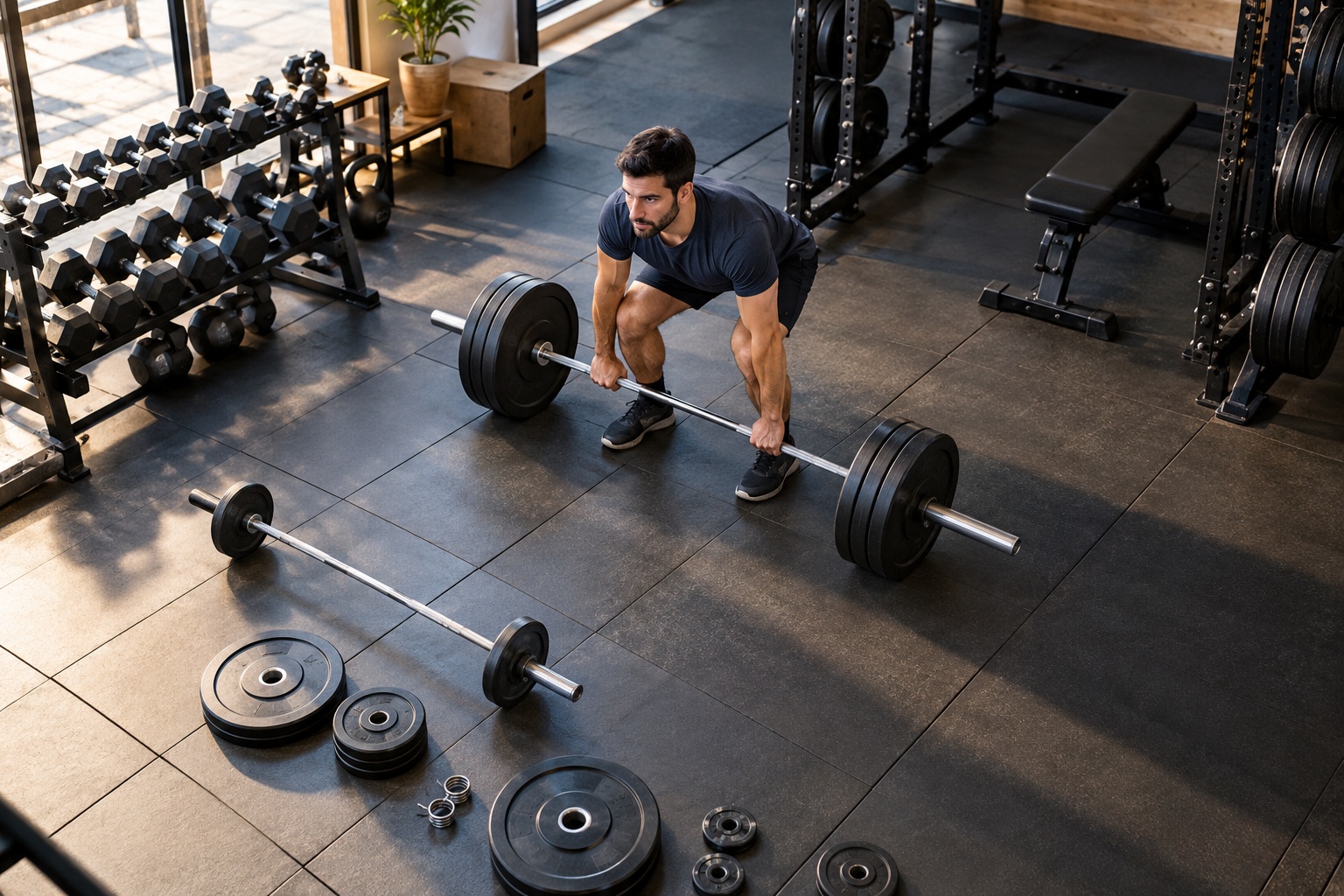
This guide addresses the difference between Olympic and standard weights with a practical and professional approach.
The method connects objectives, safety, space, and management.
For an operational reference, consult Donatif fitness equipment.
Objectives
Choosing between Olympic and standard weights requires a concrete analysis of the context, users, and frequency of use. It is necessary to describe space, objectives, technical constraints, and operational responsibilities before comparing the alternatives. Measurements, adjustments, accessibility, noise level, cleaning, assistance, and availability of spare parts together affect the quality of the service. Verification must use observable questions and record the answers. After installation, periodic checks on operation, wear, order, and instructions are needed so that the decision remains consistent even when volumes and organization change.
Choosing between Olympic and standard weights requires a concrete analysis of the context, users, and frequency of use. It is necessary to describe space, objectives, technical constraints, and operational responsibilities before comparing the alternatives. Measurements, adjustments, accessibility, noise level, cleaning, assistance, and availability of spare parts together affect the quality of the service. Verification must use observable questions and record the answers. After installation, periodic checks on operation, wear, order, and instructions are needed so that the decision remains consistent even when volumes and organization change.
Choosing between Olympic and standard weights requires a concrete analysis of the context, users, and frequency of use. It is necessary to describe space, objectives, technical constraints, and operational responsibilities before comparing the alternatives. Measurements, adjustments, accessibility, noise level, cleaning, assistance, and availability of spare parts together affect the quality of the service. Verification must use observable questions and record the answers. After installation, periodic checks on operation, wear, order, and instructions are needed so that the decision remains consistent even when volumes and organization change.
Question to clarify
Choosing between Olympic and standard weights requires a concrete analysis of the context, users, and frequency of use. It is necessary to describe space, objectives, technical constraints, and operational responsibilities before comparing the alternatives. Measurements, adjustments, accessibility, noise level, cleaning, assistance, and availability of spare parts together affect the quality of the service. Verification must use observable questions and record the answers. After installation, periodic checks on operation, wear, order, and instructions are needed so that the decision remains consistent even when volumes and organization change.
Practical check
Choosing between Olympic and standard weights requires a concrete analysis of the context, users, and frequency of use. It is necessary to describe space, objectives, technical constraints, and operational responsibilities before comparing the alternatives. Measurements, adjustments, accessibility, noise level, cleaning, assistance, and availability of spare parts together affect the quality of the service. Verification must use observable questions and record the answers. After installation, periodic checks on operation, wear, order, and instructions are needed so that the decision remains consistent even when volumes and organization change.
Requirements
Choosing between Olympic and standard weights requires a concrete analysis of the context, users, and frequency of use. It is necessary to describe space, objectives, technical constraints, and operational responsibilities before comparing the alternatives. Measurements, adjustments, accessibility, noise level, cleaning, assistance, and availability of spare parts together affect the quality of the service. Verification must use observable questions and record the answers. After installation, periodic checks on operation, wear, order, and instructions are needed so that the decision remains consistent even when volumes and organization change.
Choosing between Olympic and standard weights requires a concrete analysis of the context, users, and frequency of use. It is necessary to describe space, objectives, technical constraints, and operational responsibilities before comparing the alternatives. Measurements, adjustments, accessibility, noise level, cleaning, assistance, and availability of spare parts together affect the quality of the service. Verification must use observable questions and record the answers. After installation, periodic checks on operation, wear, order, and instructions are needed so that the decision remains consistent even when volumes and organization change.
Choosing between Olympic and standard weights requires a concrete analysis of the context, users, and frequency of use. It is necessary to describe space, objectives, technical constraints, and operational responsibilities before comparing the alternatives. Measurements, adjustments, accessibility, noise level, cleaning, assistance, and availability of spare parts together affect the quality of the service. Verification must use observable questions and record the answers. After installation, periodic checks on operation, wear, order, and instructions are needed so that the decision remains consistent even when volumes and organization change.
Question to clarify
Choosing between Olympic and standard weights requires a concrete analysis of the context, users, and frequency of use. It is necessary to describe space, objectives, technical constraints, and operational responsibilities before comparing the alternatives. Measurements, adjustments, accessibility, noise level, cleaning, assistance, and availability of spare parts together affect the quality of the service. Verification must use observable questions and record the answers. After installation, periodic checks on operation, wear, order, and instructions are needed so that the decision remains consistent even when volumes and organization change.
Practical check
Choosing between Olympic and standard weights requires a concrete analysis of the context, users, and frequency of use. It is necessary to describe space, objectives, technical constraints, and operational responsibilities before comparing the alternatives. Measurements, adjustments, accessibility, noise level, cleaning, assistance, and availability of spare parts together affect the quality of the service. Verification must use observable questions and record the answers. After installation, periodic checks on operation, wear, order, and instructions are needed so that the decision remains consistent even when volumes and organization change.
Space
Choosing between Olympic and standard weights requires a concrete analysis of the context, users, and frequency of use. It is necessary to describe space, objectives, technical constraints, and operational responsibilities before comparing the alternatives. Measurements, adjustments, accessibility, noise level, cleaning, assistance, and availability of spare parts together affect the quality of the service. Verification must use observable questions and record the answers. After installation, periodic checks on operation, wear, order, and instructions are needed so that the decision remains consistent even when volumes and organization change.
Choosing between Olympic and standard weights requires a concrete analysis of the context, users, and frequency of use. It is necessary to describe space, objectives, technical constraints, and operational responsibilities before comparing the alternatives. Measurements, adjustments, accessibility, noise level, cleaning, assistance, and availability of spare parts together affect the quality of the service. Verification must use observable questions and record the answers. After installation, periodic checks on operation, wear, order, and instructions are needed so that the decision remains consistent even when volumes and organization change.
Choosing between Olympic and standard weights requires a concrete analysis of the context, users, and frequency of use. It is necessary to describe space, objectives, technical constraints, and operational responsibilities before comparing the alternatives. Measurements, adjustments, accessibility, noise level, cleaning, assistance, and availability of spare parts together affect the quality of the service. Verification must use observable questions and record the answers. After installation, periodic checks on operation, wear, order, and instructions are needed so that the decision remains consistent even when volumes and organization change.
Question to clarify
Choosing between Olympic and standard weights requires a concrete analysis of the context, users, and frequency of use. It is necessary to describe space, objectives, technical constraints, and operational responsibilities before comparing the alternatives. Measurements, adjustments, accessibility, noise level, cleaning, assistance, and availability of spare parts together affect the quality of the service. Verification must use observable questions and record the answers. After installation, periodic checks on operation, wear, order, and instructions are needed so that the decision remains consistent even when volumes and organization change.
Practical check
Choosing between Olympic and standard weights requires a concrete analysis of the context, users, and frequency of use. It is necessary to describe space, objectives, technical constraints, and operational responsibilities before comparing the alternatives. Measurements, adjustments, accessibility, noise level, cleaning, assistance, and availability of spare parts together affect the quality of the service. Verification must use observable questions and record the answers. After installation, periodic checks on operation, wear, order, and instructions are needed so that the decision remains consistent even when volumes and organization change.
Use
Choosing between Olympic and standard weights requires a concrete analysis of the context, users, and frequency of use. It is necessary to describe space, objectives, technical constraints, and operational responsibilities before comparing the alternatives. Measurements, adjustments, accessibility, noise level, cleaning, assistance, and availability of spare parts together affect the quality of the service. Verification must use observable questions and record the answers. After installation, periodic checks on operation, wear, order, and instructions are needed so that the decision remains consistent even when volumes and organization change.
Choosing between Olympic and standard weights requires a concrete analysis of the context, users, and frequency of use. It is necessary to describe space, objectives, technical constraints, and operational responsibilities before comparing the alternatives. Measurements, adjustments, accessibility, noise level, cleaning, assistance, and availability of spare parts together affect the quality of the service. Verification must use observable questions and record the answers. After installation, periodic checks on operation, wear, order, and instructions are needed so that the decision remains consistent even when volumes and organization change.
Choosing between Olympic and standard weights requires a concrete analysis of the context, users, and frequency of use. It is necessary to describe space, objectives, technical constraints, and operational responsibilities before comparing the alternatives. Measurements, adjustments, accessibility, noise level, cleaning, assistance, and availability of spare parts together affect the quality of the service. Verification must use observable questions and record the answers. After installation, periodic checks on operation, wear, order, and instructions are needed so that the decision remains consistent even when volumes and organization change.
Question to clarify
Choosing between Olympic and standard weights requires a concrete analysis of the context, users, and frequency of use. It is necessary to describe space, objectives, technical constraints, and operational responsibilities before comparing the alternatives. Measurements, adjustments, accessibility, noise level, cleaning, assistance, and availability of spare parts together affect the quality of the service. Verification must use observable questions and record the answers. After installation, periodic checks on operation, wear, order, and instructions are needed so that the decision remains consistent even when volumes and organization change.
Practical check
Choosing between Olympic and standard weights requires a concrete analysis of the context, users, and frequency of use. It is necessary to describe space, objectives, technical constraints, and operational responsibilities before comparing the alternatives. Measurements, adjustments, accessibility, noise level, cleaning, assistance, and availability of spare parts together affect the quality of the service. Verification must use observable questions and record the answers. After installation, periodic checks on operation, wear, order, and instructions are needed so that the decision remains consistent even when volumes and organization change.
Maintenance
Choosing between Olympic and standard weights requires a concrete analysis of the context, users, and frequency of use. It is necessary to describe space, objectives, technical constraints, and operational responsibilities before comparing the alternatives. Measurements, adjustments, accessibility, noise level, cleaning, assistance, and availability of spare parts together affect the quality of the service. Verification must use observable questions and record the answers. After installation, periodic checks on operation, wear, order, and instructions are needed so that the decision remains consistent even when volumes and organization change.
Choosing between Olympic and standard weights requires a concrete analysis of the context, users, and frequency of use. It is necessary to describe space, objectives, technical constraints, and operational responsibilities before comparing the alternatives. Measurements, adjustments, accessibility, noise level, cleaning, assistance, and availability of spare parts together affect the quality of the service. Verification must use observable questions and record the answers. After installation, periodic checks on operation, wear, order, and instructions are needed so that the decision remains consistent even when volumes and organization change.
Choosing between Olympic and standard weights requires a concrete analysis of the context, users, and frequency of use. It is necessary to describe space, objectives, technical constraints, and operational responsibilities before comparing the alternatives. Measurements, adjustments, accessibility, noise level, cleaning, assistance, and availability of spare parts together affect the quality of the service. Verification must use observable questions and record the answers. After installation, periodic checks on operation, wear, order, and instructions are needed so that the decision remains consistent even when volumes and organization change.
Question to clarify
Choosing between Olympic and standard weights requires a concrete analysis of the context, users, and frequency of use. It is necessary to describe space, objectives, technical constraints, and operational responsibilities before comparing the alternatives. Measurements, adjustments, accessibility, noise level, cleaning, assistance, and availability of spare parts together affect the quality of the service. Verification must use observable questions and record the answers. After installation, periodic checks on operation, wear, order, and instructions are needed so that the decision remains consistent even when volumes and organization change.
Practical check
Choosing between Olympic and standard weights requires a concrete analysis of the context, users, and frequency of use. It is necessary to describe space, objectives, technical constraints, and operational responsibilities before comparing the alternatives. Measurements, adjustments, accessibility, noise level, cleaning, assistance, and availability of spare parts together affect the quality of the service. Verification must use observable questions and record the answers. After installation, periodic checks on operation, wear, order, and instructions are needed so that the decision remains consistent even when volumes and organization change.
Management
Choosing between Olympic and standard weights requires a concrete analysis of the context, users, and frequency of use. It is necessary to describe space, objectives, technical constraints, and operational responsibilities before comparing the alternatives. Measurements, adjustments, accessibility, noise level, cleaning, assistance, and availability of spare parts together affect the quality of the service. Verification must use observable questions and record the answers. After installation, periodic checks on operation, wear, order, and instructions are needed so that the decision remains consistent even when volumes and organization change.
Choosing between Olympic and standard weights requires a concrete analysis of the context, users, and frequency of use. It is necessary to describe space, objectives, technical constraints, and operational responsibilities before comparing the alternatives. Measurements, adjustments, accessibility, noise level, cleaning, assistance, and availability of spare parts together affect the quality of the service. Verification must use observable questions and record the answers. After installation, periodic checks on operation, wear, order, and instructions are needed so that the decision remains consistent even when volumes and organization change.
Choosing between Olympic and standard weights requires a concrete analysis of the context, users, and frequency of use. It is necessary to describe space, objectives, technical constraints, and operational responsibilities before comparing the alternatives. Measurements, adjustments, accessibility, noise level, cleaning, assistance, and availability of spare parts together affect the quality of the service. Verification must use observable questions and record the answers. After installation, periodic checks on operation, wear, order, and instructions are needed so that the decision remains consistent even when volumes and organization change.
Question to clarify
Choosing between Olympic and standard weights requires a concrete analysis of the context, users, and frequency of use. It is necessary to describe space, objectives, technical constraints, and operational responsibilities before comparing the alternatives. Measurements, adjustments, accessibility, noise level, cleaning, assistance, and availability of spare parts together affect the quality of the service. Verification must use observable questions and record the answers. After installation, periodic checks on operation, wear, order, and instructions are needed so that the decision remains consistent even when volumes and organization change.
Practical check
Choosing between Olympic and standard weights requires a concrete analysis of the context, users, and frequency of use. It is necessary to describe space, objectives, technical constraints, and operational responsibilities before comparing the alternatives. Measurements, adjustments, accessibility, noise level, cleaning, assistance, and availability of spare parts together affect the quality of the service. Verification must use observable questions and record the answers. After installation, periodic checks on operation, wear, order, and instructions are needed so that the decision remains consistent even when volumes and organization change.
Verification
Choosing between Olympic and standard weights requires a concrete analysis of the context, users, and frequency of use. It is necessary to describe space, objectives, technical constraints, and operational responsibilities before comparing the alternatives. Measurements, adjustments, accessibility, noise level, cleaning, assistance, and availability of spare parts together affect the quality of the service. Verification must use observable questions and record the answers. After installation, periodic checks on operation, wear, order, and instructions are needed so that the decision remains consistent even when volumes and organization change.
Choosing between Olympic and standard weights requires a concrete analysis of the context, users, and frequency of use. It is necessary to describe space, objectives, technical constraints, and operational responsibilities before comparing the alternatives. Measurements, adjustments, accessibility, noise level, cleaning, assistance, and availability of spare parts together affect the quality of the service. Verification must use observable questions and record the answers. After installation, periodic checks on operation, wear, order, and instructions are needed so that the decision remains consistent even when volumes and organization change.
Choosing between Olympic and standard weights requires a concrete analysis of the context, users, and frequency of use. It is necessary to describe space, objectives, technical constraints, and operational responsibilities before comparing the alternatives. Measurements, adjustments, accessibility, noise level, cleaning, assistance, and availability of spare parts together affect the quality of the service. Verification must use observable questions and record the answers. After installation, periodic checks on operation, wear, order, and instructions are needed so that the decision remains consistent even when volumes and organization change.
Question to clarify
Choosing between Olympic and standard weights requires a concrete analysis of the context, users, and frequency of use. It is necessary to describe space, objectives, technical constraints, and operational responsibilities before comparing the alternatives. Measurements, adjustments, accessibility, noise level, cleaning, assistance, and availability of spare parts together affect the quality of the service. Verification must use observable questions and record the answers. After installation, periodic checks on operation, wear, order, and instructions are needed so that the decision remains consistent even when volumes and organization change.
Practical check
Choosing between Olympic and standard weights requires a concrete analysis of the context, users, and frequency of use. It is necessary to describe space, objectives, technical constraints, and operational responsibilities before comparing the alternatives. Measurements, adjustments, accessibility, noise level, cleaning, assistance, and availability of spare parts together affect the quality of the service. Verification must use observable questions and record the answers. After installation, periodic checks on operation, wear, order, and instructions are needed so that the decision remains consistent even when volumes and organization change.


 Budgets
 Dumbers
 Discs
 Benches
 Racks and Rigs
 Weights Holders
 Isotonic machines
 Calisthenics
 Cardio
 Kettlebells
 Flooring
 Gym Set
 Accessories
 Combat
 ARTI MARZIALI
 CONTAINER GYM
 Tug-Of-War
 Used Gym Equipment
 PILATES MACCHINARI
 GINNASTICA ARTISTICA
 CAMPI DA PADEL
 Prodotti in Pronta Consegna
 Informazioni
 IRONMAN
 Gift Card