
Trolley
You have no items in your shopping cart

 Budgets
 Dumbers
 Discs
Discs
 Benches
 Racks and Rigs
 Weights Holders
 Isotonic machines
 Calisthenics
 Cardio
 Kettlebells
 Flooring
 Gym Set
 Accessories
 Combat
 ARTI MARZIALI
 CONTAINER GYM
 Tug-Of-War
 Used Gym Equipment
 PILATES MACCHINARI
 GINNASTICA ARTISTICA
 CAMPI DA PADEL
 Prodotti in Pronta Consegna
 Informazioni
 IRONMAN
 Gift Card
READING TIME: 6 MINUTES ➤➤
Kettlebells are among the most versatile and complete tools in the fitness world. Used to develop strength, endurance, and coordination, they represent a bridge between functional training and the tradition of Russian weightlifting. In this guide we will discover how to choose the right kettlebell based on weight, shape, and materials, so you can improve the quality of your training safely and effectively.
- Discovering the world of kettlebells
- How to choose the ideal kettlebell weight
- Shape and design: when ergonomics make the difference
- Materials and coatings: quality you can feel
- Training safely with kettlebells
- The benefits of kettlebell training
Discovering the world of kettlebells
What they are and why they are so effective
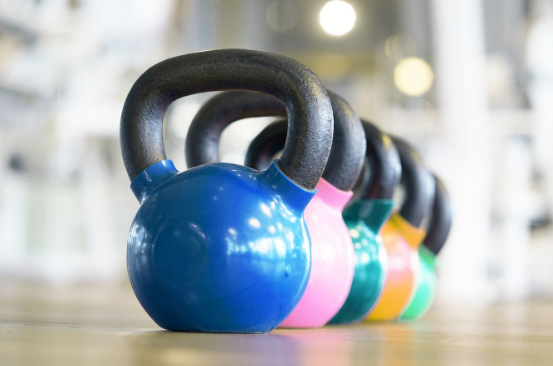
A kettlebell is a metal sphere with an integrated handle, designed to provide an unstable and dynamic load. This feature distinguishes it from traditional dumbbells, allowing multiple muscle groups to be engaged at the same time. The effectiveness of kettlebells lies in their ability to stimulate functional strength, balance, and coordination—key elements for a strong and responsive body. It is a simple tool, yet incredibly powerful, capable of adapting to every level of experience.
The different types of kettlebells and their characteristics
There are two main categories: classic kettlebells and competition kettlebells. The former are generally made of cast iron and vary in size depending on the weight; the latter, used in professional environments, maintain the same shape regardless of weight. This consistency makes movements more precise and stable. Understanding the difference between these types is the first step toward making an informed purchase, especially if you want to build a long-term training routine.
How to choose the ideal kettlebell weight
The right weight for beginners and experienced athletes
Choosing the correct weight is essential to achieve results without risking injury. For beginners, it is recommended to start with a kettlebell between 8 and 12 kg for women and between 12 and 16 kg for men. The initial goal is not to lift heavy weight but to master the technique. Those who already have experience in functional training or weightlifting can increase the load, but progression should always be gradual and controlled. The golden rule is to maintain proper form before increasing the weight.
Differences between men, women, and training level
The ideal weight also depends on the type of exercise and the training goals. Ballistic exercises such as swings or cleans require a slightly heavier kettlebell compared to isolation movements. Women often prefer moderate loads to focus on stability and toning, while men tend to emphasize explosive strength. In any case, the choice should be based on control, movement fluidity, and safety rather than the amount of weight lifted.
Shape and design: when ergonomics make the difference
The handle, grip, and weight balance
The handle is one of the most important elements to evaluate. It must provide a firm yet comfortable grip, preventing friction or calluses. The ideal diameter varies depending on hand size, but generally a smooth handle that is not too thick allows optimal control during movements. Weight balance, on the other hand, affects the fluidity of the exercise: a well-balanced kettlebell makes the movement more natural and safe.
How to recognize a comfortable and stable kettlebell
A good ergonomic kettlebell can be recognized by the solidity of its base and the continuity of its surface. If the base is unstable or the handle has irregularities, the grip becomes less precise and the risk of injury increases. The coating also plays an important role: finishes that are too glossy or slippery can compromise safety. A well-designed kettlebell allows you to focus on the technique, not the equipment.
Materials and coatings: quality you can feel
Cast iron, steel, vinyl, or rubber: what really changes
Kettlebell materials determine durability, tactile feel, and stability. Cast iron is the most common choice for home use: solid, affordable, and reliable. Steel, on the other hand, is preferred by professionals thanks to greater precision in weight distribution. Vinyl or rubber coatings protect the floor and reduce noise, but they can make the grip slightly softer. The choice therefore depends on where and how you intend to train.
Durability, maintenance, and long-term care
A high-quality kettlebell can last a lifetime if treated properly. Avoid humidity and abrasive surfaces, clean it periodically with a dry cloth, and check that the coating remains intact. Stainless steel models require little maintenance, while cast iron ones can be protected with a light layer of oil. Taking care of your equipment means preserving its safety and performance over time.
Training safely with kettlebells
Best practices for proper use
Every training session should begin with an adequate warm-up, focusing on shoulders, hips, and core. During use, maintain control of the movement and avoid forcing speed. Training safely means respecting your limits, choosing stable surfaces, and wearing flat-soled shoes for better grip. A gradual approach reduces the risk of technical mistakes and improves the quality of each movement.
Common mistakes to avoid and maintenance tips
One of the most common mistakes is using excessive weight and sacrificing posture. Ignoring breathing or neglecting the lowering phase can also compromise the effectiveness of the exercise. Remember to periodically check the condition of the kettlebell: a damaged handle or worn coating can affect grip. Safety also depends on regular maintenance of the equipment.
The benefits of kettlebell training
Benefits for strength, coordination, and endurance
Kettlebell training simultaneously stimulates strength, stability, and cardiovascular endurance. Each movement engages multiple muscle chains, improving posture and body awareness in space. It is a complete workout that combines technique and intensity, suitable both for muscle development and weight loss. The variety of exercises makes it ideal for those seeking a dynamic and never monotonous routine.
Why integrate kettlebells into your fitness program
Integrating kettlebells into your training program means investing in an efficient and adaptable training method. Whether you are a beginner or a personal trainer, this tool allows you to build functional strength, improve joint mobility, and increase explosive power. It is a smart choice for anyone looking for real results with a compact, affordable, and incredibly effective piece of equipment.
Comments (0)