Purchasing outdoor fitness equipment for a municipality requires preliminary work that goes beyond selecting the equipment and comparing quotes. For a sole project manager, a purchasing department, or a municipal technician, the availability of relevant and verifiable documents is a fundamental element to evaluate the consistency of offers with respect to the administration's needs and the characteristics of the area intended for installation.
A commercial datasheet can describe the dimensions, materials, and features of a fitness station, but it does not necessarily contain all the information needed to verify technical requirements, installation conditions, maintenance, and supplier responsibilities. It is therefore necessary to distinguish between descriptive documentation, technical evidence, manufacturer declarations, and documents required by the specific award procedure. This distinction helps avoid comparisons based on incomplete or difficult-to-compare information.
This guide proposes a document checklist for purchasing departments, organized according to the main evaluation phases. The objective is not to identify a universally mandatory list, but to provide a method applicable to concrete projects, taking into account the characteristics of the intervention, the specifications requirements, and the relevant regulatory and technical sources. Administrative checks must always be updated to the regulations applicable to the specific procedure.
Why documentation is decisive in municipal purchases
When a Municipality evaluates the installation of outdoor physical exercise equipment, price represents only one of the decision-making variables. The available documentation must make it possible to understand what is actually being supplied, what conditions are necessary for the intended use, and what activities remain the responsibility of the administration. Without this information, two economically different offers could refer to supplies with non-equivalent contents and responsibilities.
The outdoor fitness documentation should be linked to the proposed models and not limited to generic declarations relating to the manufacturer's entire catalog. A technical datasheet referring to a specific station does not automatically demonstrate the characteristics of another configuration, even when both belong to the same commercial family.
To build a reliable evaluation, it is useful to prepare a dossier in which each requirement of the specifications is associated with the document that should demonstrate its compliance. This approach makes it easier to identify any missing information and record requests for clarification, in compliance with the rules of the procedure.
Difference between commercial documents and technical evidence
A brochure generally presents benefits, main features, and images of the equipment. A technical document, on the other hand, should allow the verification of identification data, dimensions, materials, installation methods, and operating conditions. Both can be useful, but they serve different functions. The purchasing department should avoid considering a promotional description as sufficient proof of a specific technical requirement.
Why incomplete offers are difficult to compare
Consider two suppliers proposing a bodyweight training station. The first indicates the price of the equipment alone, while the second includes transport, installation, and installation documentation. A comparison limited to the economic value could favor the apparently less costly proposal without considering the services actually included. The first check therefore consists of bringing both offers back to the same supply perimeter.
Define the scenario before requesting documents
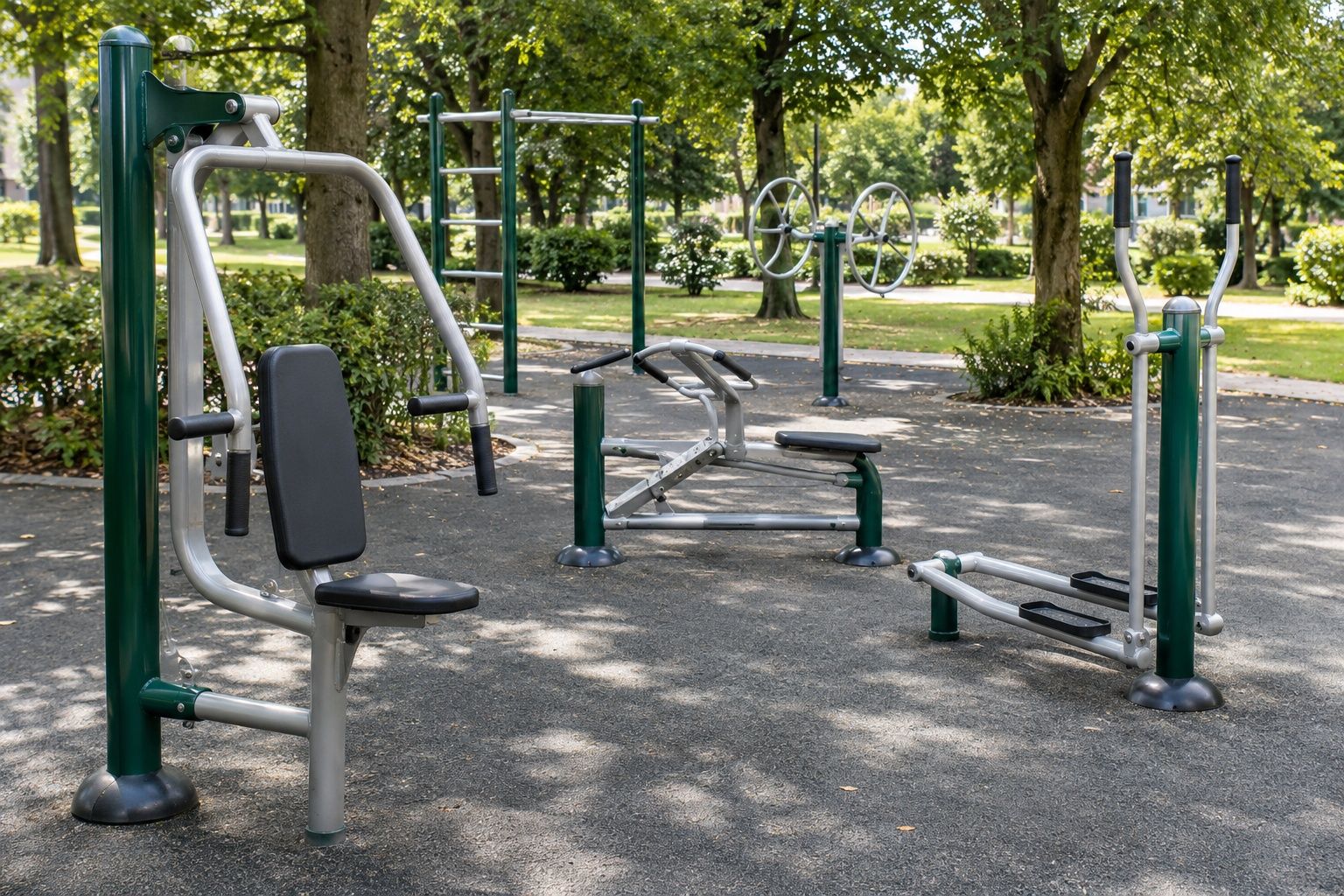
The document checklist must start from the characteristics of the intervention. A fitness trail distributed in a public park presents different needs compared to a small equipped area at a municipal sports facility. Environmental conditions, access methods, potential interference with other users, and activities necessary for subsequent management change.
Before requesting offers, the Municipality should collect at least the available information on the surface, the intended use of the area, the characteristics of the terrain, and the type of users expected. When these data are not yet defined, it is appropriate to state the design assumptions and identify the checks still necessary, avoiding turning preliminary assumptions into final requirements.
The designer and the procedure manager can use this information to determine which documents to request and with what level of detail. The request should be proportionate to the nature of the supply and consistent with the criteria defined in the tender or award documents.
Intended use of the area and conditions of use
A public area accessible without supervision requires particular attention to user instructions, installation conditions, and the management of periodic checks. In a facility with controlled access, different operating procedures may exist. The presence of children, pedestrian paths, or other activities nearby must be evaluated through the concrete project, without assuming that every fitness equipment item is suitable for every age group.
Terrain, space, and infrastructure constraints
The supplier should be able to indicate the conditions required for assembly, including any foundations, dimensions, and spaces needed around the equipment. The appointed technician must compare these indications with the surveys and actual site conditions. Any urban planning, landscape, accessibility, or utility constraints require specific checks by the competent subjects.
Technical documentation to request from the supplier
The first category of documents concerns the identification and description of the proposed equipment. For each model, it is advisable to request an updated technical datasheet showing the name, identification code, dimensions, main materials, finishes, and functional characteristics. The reference to the model must be consistent with that indicated in the financial offer.
The documentation should also clarify the conditions of use provided by the manufacturer, including any limitations, user instructions, and installation environment requirements. These elements make it possible to verify whether the product meets the design destination without deducing undeclared characteristics.
When variants or customized configurations are proposed, it is important to understand which documents refer to the version actually offered. A modification of dimensions, components, or the fixing system may require further technical evidence. The correspondence between product, documents, and proposed configuration therefore constitutes an essential check.
Datasheets, materials, and surface treatments
For external installations, it is useful to verify information on structural materials, corrosion protection systems, and surface maintenance conditions. Declarations such as weather-resistant should be accompanied by verifiable specifications relevant to the product and the intended environment. In coastal or particularly exposed areas, additional evaluations may be necessary compared to a less aggressive urban context.
Dimensional drawings and manufacturer instructions
Technical drawings should allow the identification of overall dimensions, fixing points, and spaces required for use. Assembly instructions must be detailed enough to allow the appointed party to plan the installation. If foundations are planned, it is necessary to check which instructions come from the manufacturer and what sizing must be developed by the designer in relation to soil conditions.
An important reference for fitness equipment permanently installed outdoors and freely accessible is UNI EN 16630:2015, relating to permanently installed outdoor fitness equipment, with safety requirements and test methods. The text and its scope can be consulted through the official UNI catalog at https://store.uni.com/uni-en-16630-2015. It is necessary to verify the applicable edition and the presence of any updates at the time of the procedure.
Reference to a technical standard must not automatically translate into the claim that every outdoor product must possess an identical certificate. The relevance of the standard depends on the type of equipment, the intended use, and the characteristics of the installation. The specifications should specify the required requirements and the permitted methods to demonstrate them, in compliance with applicable regulations.
A manufacturer's declaration, a test report, and a certification issued by a third-party body do not necessarily represent the same type of evidence. For each document, it is necessary to identify the issuing body, the model concerned, the technical reference used, and any field of validity. It is incorrect to attribute certifications or approvals to equipment that are not demonstrated.
How to verify the reference to UNI EN 16630
The purchasing department can ask the supplier to specify which technical standard was considered in the design and verification of the product. If a test report is presented, it is useful to check the sample identification, the tests actually performed, and any connection with the proposed configuration. A generic reference to the standard, lacking relevant documentation, does not alone allow the verification process to be reconstructed.
Declarations, markings, and non-equivalent documents
It should not be assumed that CE marking is mandatory or applicable to any outdoor fitness equipment. Its possible relevance depends on the applicable product legislation and the specific characteristics of the equipment. The supplier should clarify the declared technical framework, while the Municipality must verify the evidence required by its specifications. A precise document request is preferable to a generic formula that imposes non-pertinent certifications.
Administrative documentation and purchasing procedures
The technical verification of the supply must be distinguished from the administrative verification of the economic operator and the award procedure. For public purchases, the general reference is the current regulatory framework regarding public contracts, including Legislative Decree 36/2023 and subsequent applicable amendments. Concrete fulfillments depend on the amount, the type of contract, the chosen procedure, and updated provisions.
The competent manager must define which declarations, requirements, and administrative documents are necessary for the specific case. It is not appropriate to use a standard list without verifying its relevance. Documentation relating to the economic operator must be managed according to the rules of the procedure, distinguishing the declarations required during the participation phase from the checks provided in subsequent phases of the award.
When the administration uses electronic purchasing tools, it must be verified that the procedure and product category are appropriate. The presence of a supplier on a platform does not automatically demonstrate the availability of every product nor replace the technical, economic, and administrative checks provided.
Purchases via MePA and response documents
For procedures managed through the Electronic Marketplace of Public Administration (MePA), the purchasing department must consider the operating rules of the tool actually used. The official documentation of Acquisti in Rete PA, including the guide to responding to RdOs available at https://wiki.acquistinretepa.it/index.php/Risposta_RdO_MePA, constitutes a starting point for verifying the operating modalities of the platform. The possible use of the MePA channel by a supplier must be checked in the specific initiative and not assumed as a generalized authorization.
### Requirements of the operator and document traceability
The purchase dossier should allow the reconstruction of which documents were requested, received, and verified. It is useful to record the date of the documents, the subject who produced them, and the outcome of the checks. For administrative aspects, the RUP and competent offices must apply the procedures provided by updated official sources, avoiding confusing product suitability with the requirements of the economic operator.
Installation, testing, and maintenance
The documentation requested from the supplier should not end with the characteristics of the equipment. An outdoor project also includes the installation phase and the activities necessary to maintain the asset in the conditions foreseen by the manufacturer. Responsibilities change depending on whether the contract covers supply only or includes installation, ancillary works, and additional services.
Before the award, it is appropriate to clarify who will build the foundations, who will carry out the assembly, what checks will be performed before opening to the public, and what documents will be delivered at the end of the intervention. The definition of these activities prevents essential operations from being excluded from both offers or implicitly attributed to the Municipality.
Maintenance must be evaluated as part of asset management. Frequency of inspections, recommended checks, availability of spare parts, and intervention procedures depend on the model and conditions of use. It is incorrect to promise universal maintenance intervals or a guaranteed duration without specific documentary references.
Documents for installation and acceptance checks
For a supply with installation, assembly instructions, drawings relating to fixings, documentation of the works performed, and minutes of the checks required by the contract may be relevant. Acceptance methods must be defined according to the nature of the award. A delivery report does not automatically replace any technical checks required by the project or applicable provisions.
### Maintenance manual and spare parts
The manual should describe the control activities planned by the manufacturer, components subject to wear, and conditions requiring intervention. It is useful to ask for information on the availability of spare parts and assistance methods, distinguishing contractual commitments from simple commercial indications. For a Municipality, this information allows for planning the management of the area without assuming undocumented costs or services.
How to compare supplier offers and documents
An effective evaluation requires criteria defined before the comparison. The purchasing department can prepare a matrix that reports, for each requirement, the expected document, the source received, the outcome of the check, and any observations. This setup is particularly useful when offers use different commercial names for similar technical characteristics.
The comparison of outdoor fitness offers should distinguish at least three situations: requirement demonstrated through relevant documentation, requirement not sufficiently documented, and requirement not met based on available evidence. The lack of a document does not always equate to the lack of the technical characteristic, but must be managed according to the rules of the procedure and the possibilities of clarification allowed.
Alternatives can also be evaluated in relation to the contractual perimeter. A proposal with included installation is not directly comparable to a supply without installation if related costs and responsibilities are not brought back to homogeneous conditions. The same applies to warranties, assistance, spare parts, and final documentation.
Building a matrix of verifiable requirements
An operational matrix can provide columns dedicated to requirement, requested document, reference model, outcome, and verifier's note. For example, under dimensions, the technical drawing of the model can be associated; under installation, the assembly manual; under maintenance, the manufacturer's instructions. This method allows motivations for evaluations through consultable elements rather than generic impressions.
Comparing alternatives without favoring the first proposal
Suppose a Municipality has to choose between a multi-function station and several separate equipment items. The compact solution might occupy a different surface, while the distributed one might require multiple installation points. Neither is preferable in absolute terms. The comparison must consider the requested functions, actual dimensions, installation requirements, and available documents, keeping the criteria established by the procedure consistent.
Operational document checklist for purchasing departments
The following document checklist for purchasing departments can be used as a working basis, adapting it to the specifications and the specific procedure. It does not represent an exhaustive regulatory list nor imply that every document is mandatory in all awards. Its purpose is to make the checks to be carried out explicit and to identify information that might be missing.
For each item, it is useful to record four elements: request formulated, document received, check performed, and outcome. A simple present or absent indication is not always sufficient, because a document may be available but refer to a different model, an outdated configuration, or conditions of use not corresponding to the project.
Before using the checklist, the procedure manager should verify which items are admission requirements, which elements of the technical offer, and which documents to acquire during the executive phase. This distinction is necessary to avoid improper requests and to correctly manage any documentary deficiencies.
Technical controls to record
The technical checklist may include: manufacturer and model identification; updated technical datasheet; dimensional drawings; declared materials and finishes; intended use; user instructions; indications on required spaces; installation requirements; documentation relating to relevant technical standards; any test reports; maintenance instructions; warranty conditions and spare parts availability. For each element, it is necessary to indicate whether the document received actually allows the verification of the required requirement.
Administrative and contractual controls
The administrative section may include documents requested by the specific procedure, checks on the economic operator, correct identification of the offer, economic conditions, included services, and delivery commitments. It is appropriate to separately verify any installation, transport, assistance, and maintenance services. Controls on electronic platforms and administrative requirements must follow official sources and applicable provisions at the time of the award.
Practical example: small fitness area in a municipal park
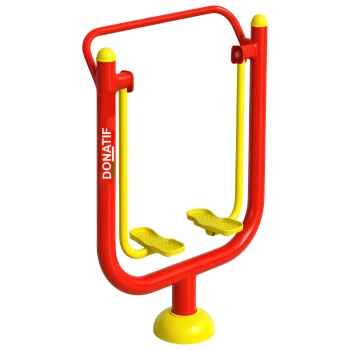
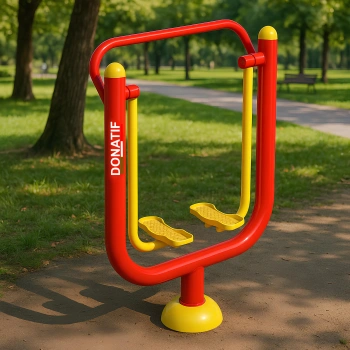
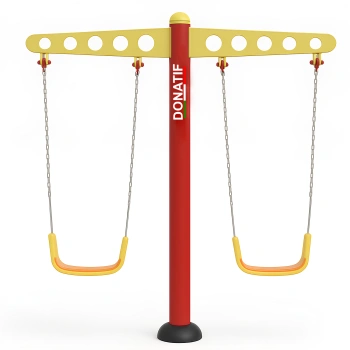
Hypothesize a Municipality interested in installing three bodyweight exercise equipment items in an existing park. The designer has identified an area, but has not yet completed checks on soil characteristics. Before comparing quotes, the office requests a technical datasheet, dimension drawing, installation indications, and documentation relating to relevant technical requirements for each model. In parallel, it defines whether foundations should be included in the award or managed through a distinct intervention.
Supplier A presents documents referring to the proposed models and detailed installation instructions. Supplier B presents a general catalog and a declaration recalling a technical standard, without clearly identifying the products concerned. In this situation, it is not possible to automatically establish which proposal is better. However, it is possible to record that the available evidence has different levels of detail and manage any requests for clarification according to the rules of the procedure.
To explore possible configurations, the Municipality can also examine categories of gym accessories as an exploratory reference, verifying however for each product the actual outdoor destination, compatibility with the project, and available documentation. Presence in a commercial catalog does not in itself constitute proof of suitability for public installation.
Final check before the decision
Before closing the evaluation, it is useful to verify that each essential requirement has identifiable evidence, that the economic conditions refer to the same perimeter, and that installation and management responsibilities are defined. Open issues must be recorded with an indication of the competent subject and any necessary check. An orderly dossier allows the reconstruction of the decision-making path even after the conclusion of the procedure.
From document verification to investment decision
Municipal investment in outdoor fitness equipment should be evaluated considering the total cost of the intervention and the conditions necessary for subsequent management. In addition to the supply price, land preparation, installation, any ancillary works, contractually foreseen checks, maintenance, and component replacement can have an impact. These items must be estimated through relevant data, avoiding attributing unproven future savings.
The quality of documentation represents a control criterion, but does not replace the technical evaluation of the project or the foreseen administrative checks. A formally complete offer might still not meet the needs of the identified area. Similarly, a technically interesting solution must be examined against the requirements and conditions of the award procedure.
For the RUP and the purchasing department, the most useful result of the checklist is the ability to motivate the decision through a verifiable path: scenario definition, requirement identification, document acquisition, alternative comparison, and verification recording. This method does not automatically guarantee a certain economic or technical result, but contributes to making the evaluation of offers more transparent.
Before assuming a spending commitment, the administration should therefore have a sufficiently clear picture of the product actually offered, the services included in the contract, the available technical evidence, and the activities still necessary. The final decision must remain consistent with the specifications, the real conditions of the intervention, and the applicable legislation, favoring verifiable documents over generic commercial declarations.


 Budgets
 Dumbers
 Discs
 Benches
 Racks and Rigs
 Weights Holders
 Isotonic machines
 Calisthenics
 Cardio
 Kettlebells
 Flooring
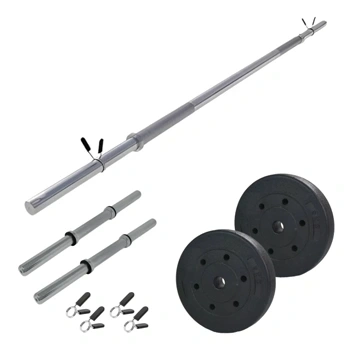 Gym Set
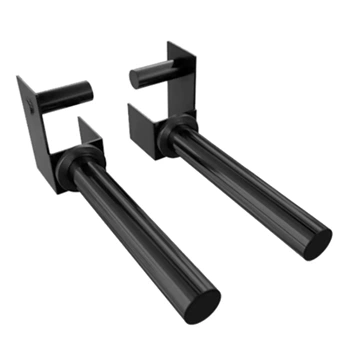 Accessories
 Combat
 ARTI MARZIALI
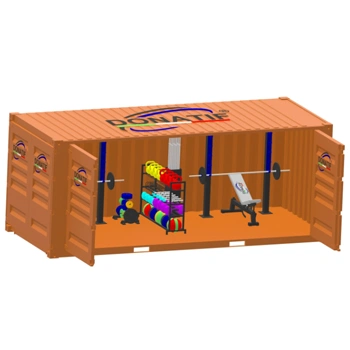 CONTAINER GYM
 Tug-Of-War
 Used Gym Equipment
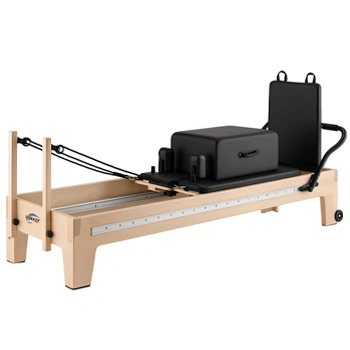 PILATES MACCHINARI
 GINNASTICA ARTISTICA
 CAMPI DA PADEL
 Prodotti in Pronta Consegna
 Informazioni
 IRONMAN
 Gift Card