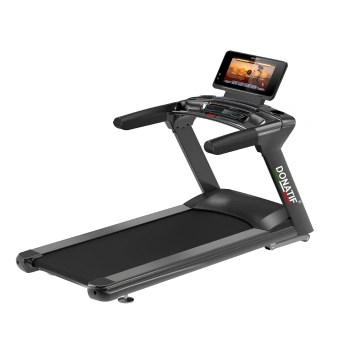
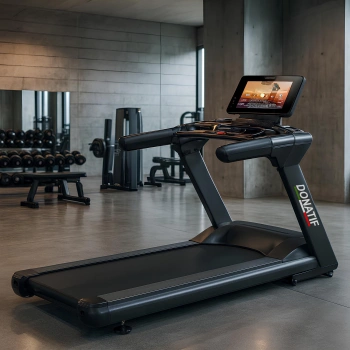
The topic of how to choose a high-power treadmill can become a complex decision when you need to balance equipment quality, available space, and daily management. For a gym manager or fitness room supervisor, it is not enough to compare photographs or prices, because the choice affects service continuity and staff work. A useful criterion must be linked to a concrete need and supported by documents.
In the cardio sector, it is important to distinguish what you want to buy from what the facility actually needs. The topic is linked to cardio fitness, but also requires an analysis of operational consequences over time. A product with interesting features may not be appropriate for the room, the users, or the available maintenance.
This guide organizes the fundamental questions to ask before accepting a quote and indicates how to document the answers. The examples are applicative and do not describe results measured at Donatif customers. When technical assessments are needed, they must follow the manufacturers' instructions and involve competent professionals.
Framing the initial need
Verifying the main need helps transform a generic requirement into a controllable one. The manager should gather available information, identify the person who provided it, and indicate what remains uncertain.
The analysis of the expected objective must also consider indirect effects on the facility and users. In the cardio sector, equipment may be valid in the abstract but create difficulties due to spaces, schedules, access, or maintenance.
To make the comparison reliable, requirements, limits, and verification responsibilities must be documented. The criterion linked to the main need must be connected to an operational example and a readable source even after delivery.
Main need
To address the main need in a practical way, it is helpful to build a form with the requirement, source, and verification result. The form should not turn into a list of generic statements: each point should refer to an identifiable element.
Expected objective
The comparison on the expected objective must keep the common conditions and the specific ones of each offer separate. It is useful to ask the supplier to indicate what is included and what remains excluded, along with any logistical or technical assumptions.
Understanding users and conditions of use
Verifying the user profile helps transform a generic need into a controllable requirement. The manager should gather available information, identify the person who provided it, and indicate what remains uncertain.
The analysis of activity frequency must also consider indirect effects on the facility and users. In the cardio sector, equipment may be valid in the abstract but create difficulties due to spaces, schedules, access, or maintenance.
To make the comparison reliable, requirements, limits, and verification responsibilities must be documented. The criterion linked to the user profile must be connected to an operational example and a readable source even after delivery.
User profile
To address the user profile in a practical way, it is helpful to build a form with the requirement, source, and verification result. The form should not turn into a list of generic statements: each point should refer to an identifiable element.
Activity frequency
The comparison on activity frequency must keep the common conditions and the specific ones of each offer separate. It is useful to ask the supplier to indicate what is included and what remains excluded, along with any logistical or technical assumptions.
Verifying declared technical data helps transform a generic need into a controllable requirement. The manager should gather available information, identify the person who provided it, and indicate what remains uncertain.
The analysis of documents and manuals must also consider indirect effects on the facility and users. In the cardio sector, equipment may be valid in the abstract but create difficulties due to spaces, schedules, access, or maintenance.
To make the comparison reliable, requirements, limits, and verification responsibilities must be documented. The criterion linked to declared technical data must be connected to an operational example and a readable source even after delivery.
Declared technical data
To address declared technical data in a practical way, it is helpful to build a form with the requirement, source, and verification result. The form should not turn into a list of generic statements: each point should refer to an identifiable element.
Documents and manuals
The comparison on documents and manuals must keep the common conditions and the specific ones of each offer separate. It is useful to ask the supplier to indicate what is included and what remains excluded, along with any logistical or technical assumptions.
Organizing the workspace
Verifying equipment dimensions helps transform a generic need into a controllable requirement. The manager should gather available information, identify the person who provided it, and indicate what remains uncertain.
The analysis of flows and arrangements must also consider indirect effects on the facility and users. In the cardio sector, equipment may be valid in the abstract but create difficulties due to spaces, schedules, access, or maintenance.
To make the comparison reliable, requirements, limits, and verification responsibilities must be documented. The criterion linked to equipment dimensions must be connected to an operational example and a readable source even after delivery.
Equipment dimensions
To address equipment dimensions in a practical way, it is helpful to build a form with the requirement, source, and verification result. The form should not turn into a list of generic statements: each point should refer to an identifiable element.
Flows and arrangements
The comparison on flows and arrangements must keep the common conditions and the specific ones of each offer separate. It is useful to ask the supplier to indicate what is included and what remains excluded, along with any logistical or technical assumptions.
Comparing relevant solutions
Verifying truly useful functions helps transform a generic need into a controllable requirement. The manager should gather available information, identify the person who provided it, and indicate what remains uncertain.
The analysis of alternatives to compare must also consider indirect effects on the facility and users. In the cardio sector, equipment may be valid in the abstract but create difficulties due to spaces, schedules, access, or maintenance. A possible commercial reference is the cardio machines category.
To make the comparison reliable, requirements, limits, and verification responsibilities must be documented. The criterion linked to truly useful functions must be connected to an operational example and a readable source even after delivery.
Truly useful functions
To address truly useful functions in a practical way, it is helpful to build a form with the requirement, source, and verification result. The form should not turn into a list of generic statements: each point should refer to an identifiable element.
Alternatives to compare
The comparison on alternatives to compare must keep the common conditions and the specific ones of each offer separate. It is useful to ask the supplier to indicate what is included and what remains excluded, along with any logistical or technical assumptions.
Checking overall costs
Verifying the supply quote helps transform a generic need into a controllable requirement. The manager should gather available information, identify the person who provided it, and indicate what remains uncertain.
The analysis of operating expenses must also consider indirect effects on the facility and users. In the cardio sector, equipment may be valid in the abstract but create difficulties due to spaces, schedules, access, or maintenance.
To make the comparison reliable, requirements, limits, and verification responsibilities must be documented. The criterion linked to the supply quote must be connected to an operational example and a readable source even after delivery.
Supply quote
To address the supply quote in a practical way, it is helpful to build a form with the requirement, source, and verification result. The form should not turn into a list of generic statements: each point should refer to an identifiable element.
Operating expenses
The comparison on operating expenses must keep the common conditions and the specific ones of each offer separate. It is useful to ask the supplier to indicate what is included and what remains excluded, along with any logistical or technical assumptions.
Planning assistance and management
Verifying maintenance interventions helps transform a generic need into a controllable requirement. The manager should gather available information, identify the person who provided it, and indicate what remains uncertain.
The analysis of spare parts and support must also consider indirect effects on the facility and users. In the cardio sector, equipment may be valid in the abstract but create difficulties due to spaces, schedules, access, or maintenance.
To make the comparison reliable, requirements, limits, and verification responsibilities must be documented. The criterion linked to maintenance interventions must be connected to an operational example and a readable source even after delivery.
Maintenance interventions
To address maintenance interventions in a practical way, it is helpful to build a form with the requirement, source, and verification result. The form should not turn into a list of generic statements: each point should refer to an identifiable element.
Spare parts and support
The comparison on spare parts and support must keep the common conditions and the specific ones of each offer separate. It is useful to ask the supplier to indicate what is included and what remains excluded, along with any logistical or technical assumptions.
Defining investment criteria
Verifying approval criteria helps transform a generic need into a controllable requirement. The manager should gather available information, identify the person who provided it, and indicate what remains uncertain.
The analysis of subsequent responsibilities must also consider indirect effects on the facility and users. In the cardio sector, equipment may be valid in the abstract but create difficulties due to spaces, schedules, access, or maintenance.
To make the comparison reliable, requirements, limits, and verification responsibilities must be documented. The criterion linked to approval criteria must be connected to an operational example and a readable source even after delivery.
Approval criteria
To address approval criteria in a practical way, it is helpful to build a form with the requirement, source, and verification result. The form should not turn into a list of generic statements: each point should refer to an identifiable element.
Subsequent responsibilities
The comparison on subsequent responsibilities must keep the common conditions and the specific ones of each offer separate. It is useful to ask the supplier to indicate what is included and what remains excluded, along with any logistical or technical assumptions.
A sustainable choice on how to choose a high-power treadmill must be verifiable even after purchase. The manager can keep the specifications, documents, and reasons for the discarded alternatives so as to maintain clarity during installation and management.


 Budgets
 Dumbers
 Discs
 Benches
 Racks and Rigs
 Weights Holders
 Isotonic machines
 Calisthenics
 Cardio
 Kettlebells
 Flooring
 Gym Set
 Accessories
 Combat
 ARTI MARZIALI
 CONTAINER GYM
 Tug-Of-War
 Used Gym Equipment
 PILATES MACCHINARI
 GINNASTICA ARTISTICA
 CAMPI DA PADEL
 Prodotti in Pronta Consegna
 Informazioni
 IRONMAN
 Gift Card