Proper maintenance of the plyo box helps maintain high safety standards, preserve equipment performance and reduce the risk of failure during training. Periodic checks make it possible to promptly identify signs of wear before they can compromise the stability of the structure.
Verifications must cover the cover, fastening elements, support surfaces and the general condition of the box. The frequency of checks varies depending on the intensity of use, but a simple visual inspection before each session represents a good practice both in home gyms and professional gyms.
This guide provides operational criteria for checking the cover, verifying the tightening of assembled parts, recognizing the main signs of wear and planning preventive maintenance interventions without turning into a repair manual.
Quick answer
Plyo box maintenance consists of periodically checking the cover, support surfaces, tightenings and structural conditions. Any play, deformations, damaged covers or loose fasteners must be resolved before use to maintain safe operating conditions.
Regular maintenance extends the useful life of the equipment and reduces the risk of using deteriorated components.
The manufacturer's specific instructions must always take priority over generic procedures.
Preliminary check
Before each workout, visually verify that the box is stable, clean and free of obvious damage.
Follow the manual
The manufacturer's instructions indicate inspection, maintenance and tightening methods compatible with the model used.
What to check
Each inspection should include checking the external surfaces, the load-bearing structure and the connection elements.
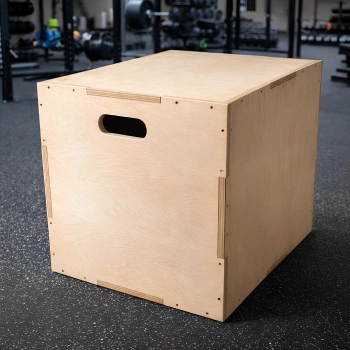
In covered models, it is important to check that the material does not present cuts, deep abrasions, detachments or permanent deformations that could alter the support during the jump.
In assembled models, it is also advisable to periodically check the tightness of the screws and other fastening systems.
Cover check
The plyo box cover must be uniform, tightly adherent to the structure and free of raised parts that could create tripping hazards.
Structure verification
Cracks, deformations, abnormal noises or unusual movements during light manual pressure represent signals that require further checks.
How often to carry out checks
The frequency of maintenance depends on the number of users and the intensity of the activity carried out.
A visual inspection before use allows you to quickly identify any anomalies while more in-depth inspections can be planned on a regular basis based on actual use.
In professional facilities, it is useful to record maintenance interventions and any replacements.
Home gym
An inspection before each workout and more thorough periodic checks help keep the box in good condition.
Gyms and fitness centers
With intensive use, it is advisable to set up a documented control and maintenance program for the equipment.
What signs indicate wear
The first indicators of deterioration may concern the cover, stability or the presence of play in assembled parts.
Not all surface signs immediately compromise functionality but must be monitored to verify their evolution.
Continuing to use a box that shows evident structural damage increases the risk of mishaps during training.
Surface wear
Scratches, light abrasions and discoloration can be normal consequences of use but must be distinguished from more significant damage.
Damage requiring attention
Fissures, deformations, instability or loss of structural rigidity require thorough checking before reuse.
Cleaning and routine maintenance
Cleaning helps keep the box in good condition and makes it easier to spot any anomalies.
Dust, residue and moisture can affect surface grip and make visual inspection less immediate.
To find dedicated products, you can consult the gym accessories section, choosing solutions compatible with the equipment materials.
How to clean
Use products compatible with the box material following the manufacturer's instructions and avoiding substances that could deteriorate the cover.
Drying
Before use, verify that all surfaces are completely dry.
How to check the tightening
Assembled models may require periodic checks of the tightness of screws and fasteners.
Checking must be carried out using appropriate tools and respecting the manufacturer's instructions when available.
Excessive or insufficient tightening can compromise the correct functioning of the structure.
Checking fasteners
Check that there are no loose screws, missing components or signs of movement between assembled parts.
Eliminating play
Any abnormal movement perceptible during manual pressure must be checked before resuming training.
When to intervene or replace
Repair or replacement depends on the extent of the damage and the manufacturer's instructions.
In the presence of structural damage, persistent instability or no longer reliable components, it is advisable to suspend use until safety conditions are restored.
Improvised repairs or the use of non-compatible components can compromise equipment behavior.
When intervention is possible
Minor routine maintenance interventions can be carried out according to the manufacturer's instructions when provided.
When to replace the box
If the structure no longer guarantees stability or shows unrepairable damage, it is preferable to consider replacing the equipment.
Evaluating the investment over time
A well-organized maintenance program helps preserve the value of the investment and maintain a consistent training experience quality.
When choosing a new model, it is also useful to consider ease of inspection, availability of spare parts, quality of materials, accessibility of fastening points and simplicity of routine maintenance operations.
When applicable, it is advisable to consult the manufacturer's manual, assembly instructions and any references to pertinent technical standards, avoiding interventions that could alter the original manufacturing characteristics of the equipment.
Elements to compare
Materials, manufacturing quality, ease of maintenance and the possibility of replacing components subject to wear represent useful criteria in evaluating a new plyo box.
Maintenance scheduling
Integrating periodic checks into normal equipment management procedures helps promptly identify any anomalies and keep the box efficient over time.


 Budgets
 Dumbers
 Discs
 Benches
 Racks and Rigs
 Weights Holders
 Isotonic machines
 Calisthenics
 Cardio
 Kettlebells
 Flooring
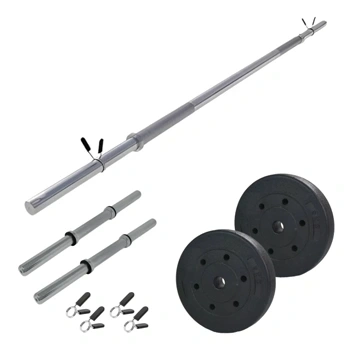 Gym Set
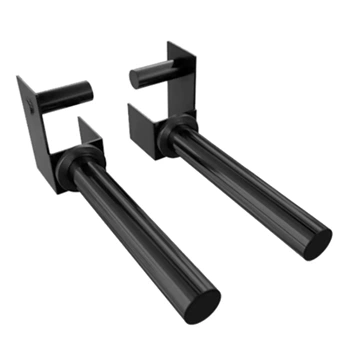 Accessories
 Combat
 ARTI MARZIALI
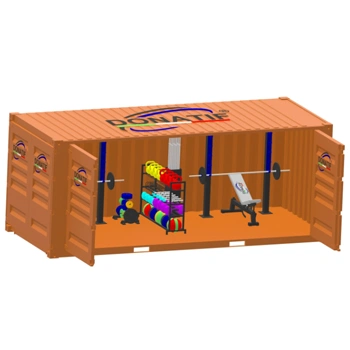 CONTAINER GYM
 Tug-Of-War
 Used Gym Equipment
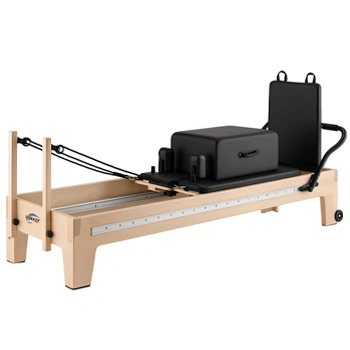 PILATES MACCHINARI
 GINNASTICA ARTISTICA
 CAMPI DA PADEL
 Prodotti in Pronta Consegna
 Informazioni
 IRONMAN
 Gift Card

Comments (0)