Safety during the startup phase of a business is not only about aspects related to systems or equipment, but also about the correct planning of the project. Anyone wishing to open a gym should preliminarily verify applicable requirements, precisely analyze all costs, and build a realistic financial plan before making financial commitments.
The operational answer is clear: verify every technical, administrative, and design requirement prior to investment and prepare a complete estimate of initial and operating costs. Failure to verify documentation or underestimating expenses can slow down the launch of the business or require unexpected additional investments.
This guide proposes verifiable criteria to reduce the main risks during the design phase of a gym, helping to control essential aspects without overlapping with in-depth studies dedicated to regulatory requirements or overall opening costs.
How to reduce risks before opening a gym?
Before launching the project, it is advisable to verify the compliance of the property, prepare a detailed business plan, and gather all the necessary documentation for the business.
Planning should also include a realistic estimate of setup costs, operating expenses, and available financial resources.
Any decision regarding spaces, equipment, and services should be consistent with the chosen business model.
What is the first check?
Analyzing the project as a whole by verifying technical feasibility, economic sustainability, and applicable requirements represents the starting point.
Why verify documentation?
Having the necessary documentation available from the early stages helps reduce the risk of delays and design changes during the opening.
What are the main risks?
One of the most frequent risks consists in starting the project without having verified all the conditions required for the property and the business.
Another critical issue concerns the underestimation of initial costs, which can affect adaptation works, systems, equipment, furnishings, management software, and operating expenses.
Even an inefficient layout can generate additional costs and limit the functionality of the gym in the long term.
Unverified requirements
Failure to perform preliminary checks can lead to design revisions, opening postponements, and further investments.
Underestimated costs
An incomplete expense forecast reduces the financial safety margin available during the startup phase.
Which requirements should be verified?
Before proceeding with investments, it is advisable to check the compatibility of the property with the project, applicable authorization aspects, and the technical documentation of the equipment.
It is also useful to check systems, accessibility, space distribution, and the possibility of correctly installing all planned equipment.
Verifications should be carried out with the support of competent professionals in relation to technical, building, and administrative aspects.
Property check
Dimensions, internal distribution, systems, pathways, and expansion possibilities must be consistent with the gym project.
Equipment check
Manuals, technical documentation, installation instructions, and maintenance guidelines represent important elements during the purchase phase.
What checks to perform before opening?
An organized checklist helps reduce the risk of oversights during the preparation of the business.
Among the most useful checks are business plan verification, layout control, purchasing planning, and definition of the work schedule.
It is also advisable to verify the availability of the financial resources necessary to deal with any unforeseen events.
Operational checklist
1. Verify property requirements. 2. Check the business plan. 3. Confirm the layout. 4. Verify quotes and contracts. 5. Plan installation and testing times.
Activity scheduling
A realistic schedule facilitates coordination between works, equipment delivery, and opening preparation.
Which mistakes are made most often?
Many projects start with an investment concentrated almost exclusively on equipment while neglecting systems, ancillary works, and recurring costs.
Another frequent mistake consists in designing spaces without considering user flows, machine maintenance, and the possibility of future expansion.
Even the choice of suppliers evaluated exclusively on price can affect the overall quality of the investment.
Incomplete budget
An economic plan should include both initial and operating costs, providing a margin intended for unforeseen events.
Inefficient layout
A non-optimal distribution of spaces can limit the user experience and make daily management more complex.
How to plan a safer investment?
Before opening a gym, it is advisable to compare multiple quotes, verify the technical characteristics of the equipment, and prepare a financial planning consistent with the business objectives.
The choice of technical equipment should be made only after defining the overall project of the facility. To explore the various solutions available, it is possible to consult the section dedicated to gym equipment and compare the categories best suited to your business model.
Progressive investment planning also allows maintaining greater flexibility in the initial phase of the business and planning future expansions without compromising the economic balance of the project.
Business plan
The economic plan should include investments, operating costs, revenue forecasts, cash flows, and alternative scenarios to deal with any project variations.
Supplier selection
In addition to price, it is advisable to compare equipment quality, technical documentation, after-sales support, and spare parts availability.
FAQ
Is it enough to estimate the cost of the equipment?
No. The project should also include adaptation works, systems, furnishings, software, management costs, and a margin for any unforeseen events.
When is it best to verify property requirements?
Before confirming the investment and before proceeding with the purchase of equipment or the start of works.
Why is it important to design the layout before purchases?
To verify compatibility between spaces, pathways, systems, and equipment, avoiding more costly subsequent modifications.
What sources to consult before opening a gym?
For regulatory aspects, it is appropriate to refer to applicable national and local regulations, building codes, and the indications of competent authorities. For equipment and systems, it is advisable to consult the manuals, technical documentation, and instructions provided by manufacturers. The setup of this content follows an answer-first structure with verifiable criteria, consistent with the brief provided.


 Budgets
 Dumbers
 Discs
 Benches
 Racks and Rigs
 Weights Holders
 Isotonic machines
 Calisthenics
 Cardio
 Kettlebells
 Flooring
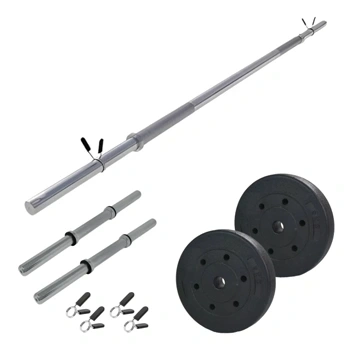 Gym Set
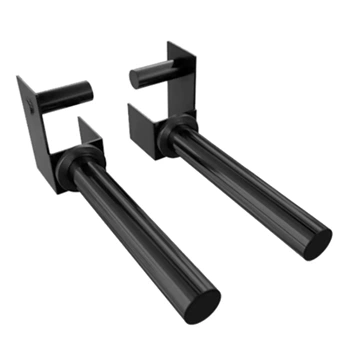 Accessories
 Combat
 ARTI MARZIALI
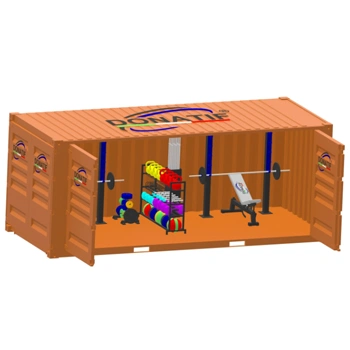 CONTAINER GYM
 Tug-Of-War
 Used Gym Equipment
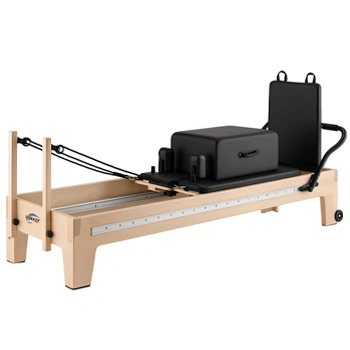 PILATES MACCHINARI
 GINNASTICA ARTISTICA
 CAMPI DA PADEL
 Prodotti in Pronta Consegna
 Informazioni
 IRONMAN
 Gift Card