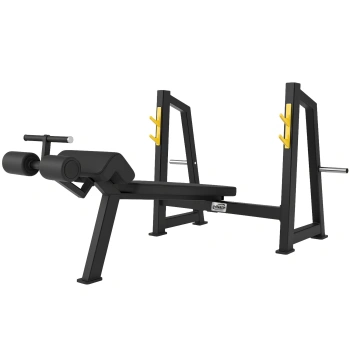
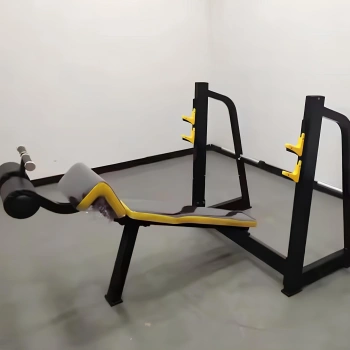
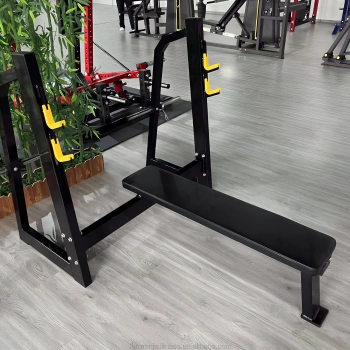
Approaching a powerlifting bench requires a method that distinguishes real needs from the features presented in the catalog. For a weight room manager or strength area technician, the issue does not end with choosing a product, because it also concerns space, responsibility, service continuity, and management cost.
In the context of a powerlifting weight room, the first decision consists of formulating a concrete question that the project must answer. The topic is linked to weight rooms and powerlifting, but should not be reduced to a simple list of options.
The guide uses project as a reading perspective and favors documents, examples, and stated limits. The indications do not constitute a regulatory verification or a technical evaluation of the individual facility.
Before purchasing, it is useful to compare weight room and powerlifting with the needs actually gathered. Every choice should remain explainable even to those who did not participate in the initial phase of the project.
Define the problem and expected outcome
A serious comparison on practical objective must separate expected benefits, technical limits, and contractual commitments. For a weight room manager or strength area technician, the solution richest in functions is not necessarily the most useful one, especially when the planned activities require simplicity and continuity.
The phase dedicated to reader's question serves to establish which information truly affects the choice. In the case of a weight room manager or strength area technician evaluating a powerlifting bench, starting from a requirement expressed with precision allows discarding inconsistent alternatives before comparing prices.
When analyzing priority requirements, it is useful to consider the difference between ideal conditions and daily use. An offer may seem suitable on paper, but prove difficult to manage if accesses, people flows, maintenance, or assistance have not been evaluated.
Practical objective
To avoid misunderstandings on priority requirements, it can be useful to prepare a grid reporting the requirement, source, outcome, and required action. The value does not stem from the number of fields filled out, but from the ability to verify data and identify still-open points.
Reader's question
To verify priority requirements, the manager should gather information referring to the actually proposed configuration. It is useful to ask who performed the evaluation, which documents are available, and which conditions could modify its outcome.
Analyze the context of use
The phase dedicated to users and frequency serves to establish which information truly affects the choice. In the case of a weight room manager or strength area technician evaluating a powerlifting bench, starting from a requirement expressed with precision allows discarding inconsistent alternatives before comparing prices.
When analyzing environmental constraints, it is useful to consider the difference between ideal conditions and daily use. An offer may seem suitable on paper, but prove difficult to manage if accesses, people flows, maintenance, or assistance have not been evaluated.
A serious comparison on application scenario must separate expected benefits, technical limits, and contractual commitments. For a weight room manager or strength area technician, the solution richest in functions is not necessarily the most useful one, especially when the planned activities require simplicity and continuity.
Users and frequency
To verify environmental constraints, the manager should gather information referring to the actually proposed configuration. It is useful to ask who performed the evaluation, which documents are available, and which conditions could modify its outcome.
Environmental constraints
The operational step consists of linking environmental constraints to a concrete choice and a responsible person. The facility's administration should distinguish activities already completed, elements still to be confirmed, and interventions to be entrusted to third parties.
Read the technical specifications without misunderstandings
When analyzing declared characteristics, it is useful to consider the difference between ideal conditions and daily use. An offer may seem suitable on paper, but prove difficult to manage if accesses, people flows, maintenance, or assistance have not been evaluated.
A serious comparison on manufacturer's documentation must separate expected benefits, technical limits, and contractual commitments. For a weight room manager or strength area technician, the solution richest in functions is not necessarily the most useful one, especially when the planned activities require simplicity and continuity.
The phase dedicated to technical compatibility serves to establish which information truly affects the choice. In the case of a weight room manager or strength area technician evaluating a powerlifting bench, starting from a requirement expressed with precision allows discarding inconsistent alternatives before comparing prices.
Declared characteristics
The operational step consists of linking declared characteristics to a concrete choice and a responsible person. The facility's administration should distinguish activities already completed, elements still to be confirmed, and interventions to be entrusted to third parties.
Manufacturer's documentation
To avoid misunderstandings on declared characteristics, it can be useful to prepare a grid reporting the requirement, source, outcome, and required action. The value does not stem from the number of fields filled out, but from the ability to verify data and identify still-open points.
Design spaces and operational conditions
A serious comparison on dimensions and pathways must separate expected benefits, technical limits, and contractual commitments. For a weight room manager or strength area technician, the solution richest in functions is not necessarily the most useful one, especially when the planned activities require simplicity and continuity.
The phase dedicated to necessary preparations serves to establish which information truly affects the choice. In the case of a weight room manager or strength area technician evaluating a powerlifting bench, starting from a requirement expressed with precision allows discarding inconsistent alternatives before comparing prices.
When analyzing project coordination, it is useful to consider the difference between ideal conditions and daily use. An offer may seem suitable on paper, but prove difficult to manage if accesses, people flows, maintenance, or assistance have not been evaluated.
Dimensions and pathways
To avoid misunderstandings on project coordination, it can be useful to prepare a grid reporting the requirement, source, outcome, and required action. The value does not stem from the number of fields filled out, but from the ability to verify data and identify still-open points.
Necessary preparations
To verify project coordination, the manager should gather information referring to the actually proposed configuration. It is useful to ask who performed the evaluation, which documents are available, and which conditions could modify its outcome.
Compare alternatives and equipment
The phase dedicated to truly useful functions serves to establish which information truly affects the choice. In the case of a weight room manager or strength area technician evaluating a powerlifting bench, starting from a requirement expressed with precision allows discarding inconsistent alternatives before comparing prices.
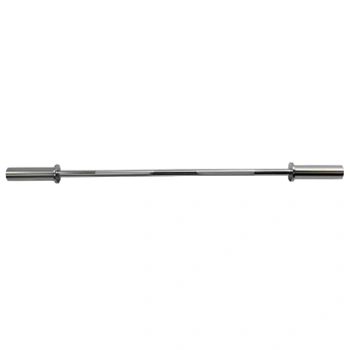
When analyzing comparable alternatives, it is useful to consider the difference between ideal conditions and daily use. An offer may seem suitable on paper, but prove difficult to manage if accesses, people flows, maintenance, or assistance have not been evaluated. A useful reference, to be verified against actual models, is the gym barbells category.
A serious comparison on exclusion criteria must separate expected benefits, technical limits, and contractual commitments. For a weight room manager or strength area technician, the solution richest in functions is not necessarily the most useful one, especially when the planned activities require simplicity and continuity.
Truly useful functions
To verify comparable alternatives, the manager should gather information referring to the actually proposed configuration. It is useful to ask who performed the evaluation, which documents are available, and which conditions could modify its outcome.
Comparable alternatives
The operational step consists of linking comparable alternatives to a concrete choice and a responsible person. The facility's administration should distinguish activities already completed, elements still to be confirmed, and interventions to be entrusted to third parties.
Evaluate price and total cost
When analyzing quote items, it is useful to consider the difference between ideal conditions and daily use. An offer may seem suitable on paper, but prove difficult to manage if accesses, people flows, maintenance, or assistance have not been evaluated.
A serious comparison on recurring expenses must separate expected benefits, technical limits, and contractual commitments. For a weight room manager or strength area technician, the solution richest in functions is not necessarily the most useful one, especially when the planned activities require simplicity and continuity.
The phase dedicated to economic uncertainties serves to establish which information truly affects the choice. In the case of a weight room manager or strength area technician evaluating a powerlifting bench, starting from a requirement expressed with precision allows discarding inconsistent alternatives before comparing prices.
Quote items
The operational step consists of linking quote items to a concrete choice and a responsible person. The facility's administration should distinguish activities already completed, elements still to be confirmed, and interventions to be entrusted to third parties.
Recurring expenses
To avoid misunderstandings on quote items, it can be useful to prepare a grid reporting the requirement, source, outcome, and required action. The value does not stem from the number of fields filled out, but from the ability to verify data and identify still-open points.
Organize maintenance and responsibilities
A serious comparison on checks and instructions must separate expected benefits, technical limits, and contractual commitments. For a weight room manager or strength area technician, the solution richest in functions is not necessarily the most useful one, especially when the planned activities require simplicity and continuity.
The phase dedicated to assistance and spare parts serves to establish which information truly affects the choice. In the case of a weight room manager or strength area technician evaluating a powerlifting bench, starting from a requirement expressed with precision allows discarding inconsistent alternatives before comparing prices.
When analyzing anomaly management, it is useful to consider the difference between ideal conditions and daily use. An offer may seem suitable on paper, but prove difficult to manage if accesses, people flows, maintenance, or assistance have not been evaluated.
Checks and instructions
To avoid misunderstandings on anomaly management, it can be useful to prepare a grid reporting the requirement, source, outcome, and required action. The value does not stem from the number of fields filled out, but from the ability to verify data and identify still-open points.
Assistance and spare parts
To verify anomaly management, the manager should gather information referring to the actually proposed configuration. It is useful to ask who performed the evaluation, which documents are available, and which conditions could modify its outcome.
Investment criteria and final decision
The phase dedicated to specifications and responsibilities serves to establish which information truly affects the choice.
When analyzing still-open verifications, it is useful to consider the difference between ideal conditions and daily use.
A serious comparison on sustainable choice must separate expected benefits, technical limits, and contractual commitments.
Specifications and responsibilities
To verify still-open verifications, the manager should gather information referring to the actually proposed configuration. It is useful to ask who performed the evaluation, which documents are available, and which conditions could modify its outcome.
Still-open verifications
The operational step consists of linking still-open verifications to a concrete choice and a responsible person.
A sustainable decision on a powerlifting bench must remain consistent with the documented context and with the responsibilities actually assumed.


 Budgets
 Dumbers
 Discs
 Benches
 Racks and Rigs
 Weights Holders
 Isotonic machines
 Calisthenics
 Cardio
 Kettlebells
 Flooring
 Gym Set
 Accessories
 Combat
 ARTI MARZIALI
 CONTAINER GYM
 Tug-Of-War
 Used Gym Equipment
 PILATES MACCHINARI
 GINNASTICA ARTISTICA
 CAMPI DA PADEL
 Prodotti in Pronta Consegna
 Informazioni
 IRONMAN
 Gift Card