The choice of equipment for a condominium gym should start with the characteristics of the available space, the number of users who will use the facility, and the simplicity of managing the equipment. A shared environment indeed requires versatile, sturdy solutions suitable for users with different levels of experience.
The operational response consists of selecting a balanced equipment set that allows for cardiovascular exercises, strength training, and functional work without overcrowding the spaces. Before purchasing, it is advisable to check dimensions, installation requirements, required maintenance, and compatibility with the flooring and gym layout.
This guide offers verifiable criteria for choosing the most suitable equipment for a condominium gym, avoiding purchases inconsistent with the project and without overlapping with insights dedicated to the general design of spaces.
Which equipment to choose for a condominium gym?
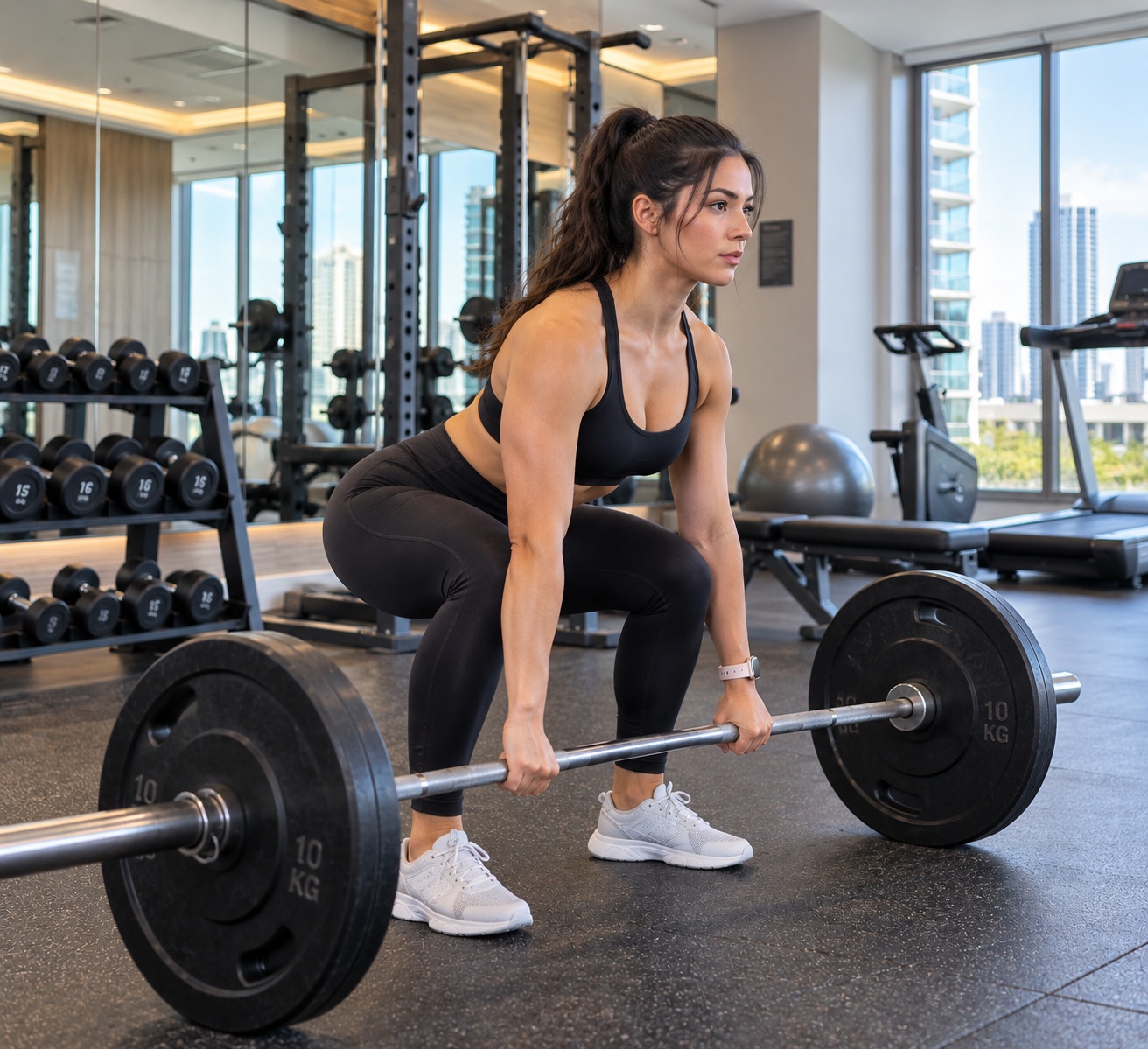
A balanced setup generally includes a selection of cardio machines, some equipment dedicated to strength training, and an area intended for bodyweight exercises.
The choice should be made by evaluating available space, number of users, simplicity of maintenance, and expected frequency of use.
Before purchasing, it is advisable to complete the layout design and check compatibility between equipment, systems, and flooring.
What is the first criterion?
Select exclusively the equipment genuinely useful for the condominium's users while avoiding overly complex setups.
Which data to compare?
Dimensions, build quality, maintenance, technical documentation, and spare parts availability represent concrete evaluation elements.
What features must the equipment have?
Equipment intended for shared use should be sturdy, simple to use, and easily adjustable to accommodate different users.
It is useful to prioritize machines designed for frequent use and characterized by easily programmable routine maintenance.
The availability of user instructions, spare parts, and technical assistance also represents an important element in the choice.
Build sturdiness
A solid structure helps maintain reliability and continuity of use over time.
Simplicity of adjustments
Easily adjustable equipment allows users with different physical characteristics to quickly adapt the machine.
How to correctly choose the equipment set?
The setup should guarantee a balance between cardiovascular training, strength exercises, and functional activities without unnecessarily occupying available space.
A possible organization can include treadmills, exercise bikes or a rowing machine, a multi-gym machine, an adjustable bench, a set of dumbbells, small accessories, and a free area intended for bodyweight exercises.
The final selection always depends on the project's characteristics and the user profile.
Cardio area
Cardio machines should be selected considering dimensions, noise level, and ease of maintenance.
Strength training
A balanced equipment set can include a multi-gym machine and equipment that allows for various exercises while maintaining intuitive use.
How to check compatibility with the space?
Each piece of equipment requires sufficient space for use, maintenance, and user passage.
Before purchasing, it is advisable to compare the dimensions of the machines with the gym floor plan and verify compatibility with existing systems.
It is also important to choose a sports flooring suitable for the weight of the equipment and the planned activities.
Layout design
An orderly distribution facilitates circulation, improves the user experience, and makes maintenance interventions easier.
Possibility of expansion
Leaving free areas allows for the integration of new equipment over time without having to completely redesign the gym.
Which purchase mistakes to avoid?
One of the most common mistakes is purchasing an excessive number of machines without considering the actual frequency of use.
Another critical issue concerns the choice of highly specialized equipment that might end up underutilized in a shared environment.
It is also advisable to avoid setups that make maintenance difficult or limit pathways inside the gym.
Underestimated dimensions
The actual dimensions of the machines and operational spaces must be verified before installation.
Neglected maintenance
Equipment that is difficult to maintain can increase downtime and management costs in the long run.
How to plan the investment?
Before setting up a condominium gym, it is advisable to prepare a plan that includes equipment, installation, scheduled maintenance, spare parts, and gym accessories.
The selection should be made by comparing build quality, technical assistance, and documentation availability. To explore the different available categories, you can consult the section dedicated to gym equipment and evaluate the solutions most consistent with the project.
Gradual planning of the investment also allows for expanding the equipment over time based on the actual use of the gym and the needs of the residents.
Economic planning
The plan should include initial costs, maintenance, scheduled replacements, and resources dedicated to future updates.
Choice of suppliers
In addition to price, it is useful to compare equipment quality, spare parts availability, technical assistance, and the documentation provided.
FAQ
Is it better to buy many machines or a few versatile pieces of equipment?
In a condominium gym, a balanced and versatile equipment set that meets the needs of most users is generally preferable.
Which equipment requires more maintenance?
Maintenance needs depend on the type of machine and the manufacturer's instructions. It is always advisable to consult the manual of each piece of equipment.
How to choose the flooring?
The flooring should be compatible with the weight of the equipment, the planned activities, and the technical specifications of the manufacturers.
Which sources to consult before purchasing?
For technical aspects, it is advisable to refer to the equipment manuals, manufacturer documentation, and any references to applicable standards declared by the manufacturers. For interventions in common areas, it is also recommended to check the applicable building and condominium regulations. The setup of this content follows an answer-first structure with verifiable criteria, consistent with the brief provided.


 Budgets
 Dumbers
 Discs
 Benches
 Racks and Rigs
 Weights Holders
 Isotonic machines
 Calisthenics
 Cardio
 Kettlebells
 Flooring
 Gym Set
 Accessories
 Combat
 ARTI MARZIALI
 CONTAINER GYM
 Tug-Of-War
 Used Gym Equipment
 PILATES MACCHINARI
 GINNASTICA ARTISTICA
 CAMPI DA PADEL
 Prodotti in Pronta Consegna
 Informazioni
 IRONMAN
 Gift Card


Comments (0)