24/7 Gym means guaranteeing a safe environment during all opening hours, including those without staff present. Safety depends on space design, access control, scheduled equipment maintenance, operational procedures, and the organization of the entire facility.
A gym open twenty-four hours a day has different requirements compared to a facility with traditional hours. Independent access by members requires reliable identification systems, easily understandable pathways, simple-to-use equipment, and periodic checks that help maintain high operational standards over time.
For the manager, safety does not represent a single design element but a set of procedures involving systems, equipment, maintenance, staff training, and space organization. Planning these aspects from the beginning helps improve operational continuity and service quality.
How to ensure safety in a 24-hour open gym?
A 24/7 gym should integrate access control, orderly pathways, professional equipment, scheduled maintenance, emergency procedures, adequate lighting, and periodic checks. Safety stems from the coordinated design of the entire facility and compliance with the manufacturer's instructions and applicable regulations.
Every element should be verified during design, prior to opening the facility, and subsequently through scheduled checks.
Preventive management allows identifying any critical issues before they can compromise the normal operation of the gym.
Objective of safety
The objective consists of guaranteeing a reliable environment during all time slots, including those without staff present.
Operational approach
Layout, systems, equipment, and procedures should be developed as parts of a single organizational system.
What are the main risks?
One of the main risks stems from uncoordinated space design. Unclear pathways, congested areas, and irrational arrangement of equipment can make using the gym more complex.
Further critical issues may concern the lack of equipment maintenance, the absence of documented procedures, and insufficient control of technological systems.
Unscheduled management of periodic checks can also increase the risk of operational interruptions and make it more difficult to promptly identify any anomalies.
Worn equipment
Equipment should be checked periodically following the instructions in the manufacturer's manuals and replaced or repaired when necessary.
Non-functional layout
An orderly distribution of areas reduces interference between users and facilitates movement during all opening hours.
Which safety requirements to check?
The facility should provide easily identifiable pathways, adequate lighting, clearly marked emergency exits, access control systems consistent with the adopted management model, and equipment installed according to the manufacturer's instructions.
Workout areas should maintain sufficient space between stations to allow easy use of the different equipment.
When applicable, requirements must be verified against current building regulations, provisions relating to system safety, fire prevention, and obligations for sports facilities.
Space organization
Pathways should constantly remain free of permanent or temporary obstacles.
System control
Electrical systems, lighting, and technological systems should undergo checks according to scheduled maintenance programs.
What checks to perform before use?
A periodic checklist helps maintain a constant level of facility safety.
| Element |
Control |
| Equipment |
Check of general condition and adjustments |
| Pathways |
Absence of obstacles |
| Flooring |
Intact and clean surfaces |
| Lighting |
Correct operation |
| Signage |
Visibility and legibility |
| Accesses |
Check of correct operation of installed systems |
Checks should be scheduled regularly and documented according to the procedures adopted by the facility.
Daily checks
Before opening, it is useful to quickly check the most frequently used pathways, equipment, and systems.
Scheduled checks
More in-depth checks allow planning maintenance interventions before any anomalies affect the functioning of the gym.
How to manage access control and maintenance?
Access control systems should be integrated with the gym's operational procedures and configured according to the adopted organizational model.
Scheduled maintenance should include equipment, systems, technological systems, and sports flooring, following the instructions in the manufacturers' technical documentation.
To explore solutions dedicated to professional facilities, you can consult professional gym equipment.
Access management
User identification methods should be simple to use and consistent with the facility's automation level.
Maintenance scheduling
Regular planning helps maintain high equipment availability and reduce extraordinary interventions.
What mistakes should be avoided?
One of the most frequent mistakes consists of focusing attention exclusively on access systems while neglecting the layout, maintenance, and overall organization of the gym.
Another mistake concerns the lack of documented procedures for periodic equipment and system checks.
It is also advisable to avoid improvised changes to the layout of stations without verifying the impact on pathways and facility management.
Neglecting maintenance
Following the maintenance schedules indicated by manufacturers helps keep equipment in the conditions intended for its use.
Undefined procedures
Simple and shared procedures facilitate gym control during all opening hours.
FAQ
Must a 24/7 gym always be under video surveillance?
The configuration of control systems depends on the facility's design and applicable regulations. When installed, systems must comply with current provisions on personal data protection.
How often should checks be performed?
Frequency depends on the installed equipment, intensity of use, and instructions in the manufacturers' technical documentation.
What documents is it useful to keep?
Installation manuals, user instructions, maintenance plans, and intervention records represent important references for facility management.
How to plan safety for a 24/7 gym?
Safety should be defined from the early stages of the project by analyzing layout, user flows, technological systems, equipment type, and facility management methods. Every investment should be evaluated considering reliability, maintenance, and operational continuity.
When applicable, main references include current building regulations, system safety provisions, fire prevention regulations, rules applicable to access control and video surveillance systems, as well as manufacturer manuals concerning equipment installation, use, and maintenance. Every project should be verified against the facility's intended use and applicable regulatory requirements.
Modular planning allows progressively updating the gym while maintaining high safety standards and service quality. Basing management on verifiable checks and documented procedures helps improve reliability, organization, and operational continuity throughout all twenty-four opening hours.


 Budgets
 Dumbers
 Discs
 Benches
 Racks and Rigs
 Weights Holders
 Isotonic machines
 Calisthenics
 Cardio
 Kettlebells
 Flooring
 Gym Set
 Accessories
 Combat
 ARTI MARZIALI
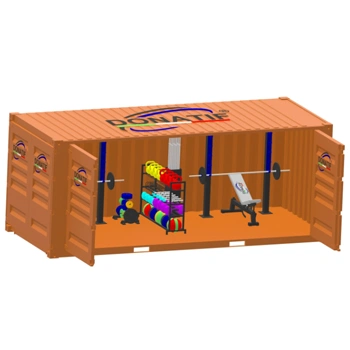 CONTAINER GYM
 Tug-Of-War
 Used Gym Equipment
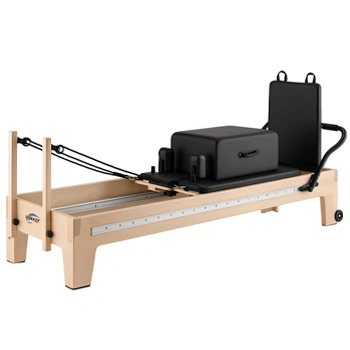 PILATES MACCHINARI
 GINNASTICA ARTISTICA
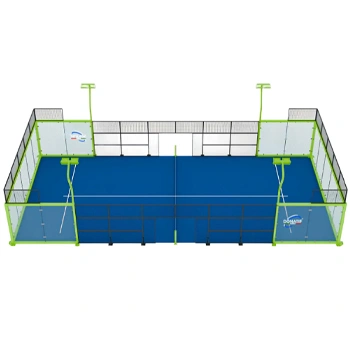 CAMPI DA PADEL
 Prodotti in Pronta Consegna
 Informazioni
 IRONMAN
 Gift Card