
Trolley
You have no items in your shopping cart

 Budgets
 Dumbers
 Discs
Discs
 Benches
 Racks and Rigs
 Weights Holders
 Isotonic machines
 Calisthenics
 Cardio
 Kettlebells
 Flooring
 Gym Set
 Accessories
 Combat
 ARTI MARZIALI
 CONTAINER GYM
 Tug-Of-War
 Used Gym Equipment
 PILATES MACCHINARI
 GINNASTICA ARTISTICA
 CAMPI DA PADEL
 Prodotti in Pronta Consegna
 Informazioni
 IRONMAN
 Gift Card
- Donatif
- Sports products
- 0 I like it
- 4213 Views
- 0 comments
READING TIME: 7 MINUTES ➤➤
Tatami for Physiotherapy and Stretching: Stability and Comfort
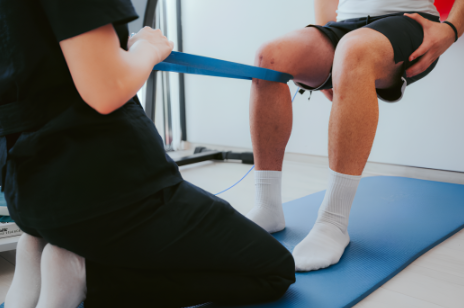
In the world of rehabilitation, postural wellness, and mindful physical activity, the choice of surface makes a substantial difference. A tatami for physiotherapy is not just a simple mat—it is a true support tool designed to ensure stability, cushioning, and safety during floor exercises. Whether in a specialized clinic or used by a personal trainer focused on posture, investing in the right tatami means creating a protected space that enhances both the experience and effectiveness of every session.
The goal of this guide is to provide a comprehensive overview of the technical and functional features of tatami best suited for physiotherapy, stretching, and rehabilitation. We will explore materials, key specifications to consider, and the real benefits these surfaces offer to both patients and professionals. This content is designed for those seeking a solid, professional solution that combines comfort, stability, and well-being.
- Why choose a specific tatami for physiotherapy and rehabilitation
- Technical features of tatami for stretching and mobility
- Comfort and stability during floor exercises
- Solutions for professional studios, gyms, and physiotherapy centers
- An ally for daily wellness and prevention
Why choose a specific tatami for physiotherapy and rehabilitation
The needs of rehabilitation professionals
Professionals working in rehabilitation require environments that meet precise safety and functional standards. A tatami designed for physiotherapy use provides the right elastic response, essential for supporting the body during controlled movements and sustained postures. Compared to standard gym mats, it offers a better balance between softness and firmness, reducing the risk of instability and improving postural control.
In clinical or paramedical settings, hygiene and material durability are also essential. Rehabilitation tatami are typically made with easy-to-clean, antibacterial surfaces that withstand daily wear and professional cleaning products, ensuring maximum safety from both a biomechanical and hygienic standpoint.
Concrete benefits for patient safety
Using flooring specifically designed for therapeutic exercises directly impacts treatment quality. A patient recovering from surgery or injury needs a surface that absorbs stress without compromising balance. A physiotherapy tatami reduces the risk of slipping, falling, or impact injuries, especially during low-impact or functional re-education exercises.
From a psychological perspective, providing a safe and comfortable environment increases patient confidence in the rehabilitation process. The tatami thus becomes not just a technical accessory, but a true ally in building well-being and achieving results.
Technical features of tatami for stretching and mobility
Thickness, density, and shock absorption
One of the key aspects when choosing a tatami for stretching is its thickness, which determines its ability to absorb impact and support body weight. Models designed for physiotherapy and gentle exercise typically range from 2 to 4 cm in thickness, providing adequate cushioning without being too soft. Material density affects stability and durability, preventing deformation even with intensive use.
Good shock absorption is essential not only for comfort but also for preventing joint microtrauma, especially during repetitive movements. The ideal tatami should offer a balance between support and softness, helping to facilitate movement and distribute loads naturally.
Safe and easy-to-clean materials
The best tatami for physiotherapy are made from high-density EVA or expanded PVC, combining durability and flexibility. These materials are hypoallergenic, waterproof, and resistant to bacteria, making them ideal for shared environments. They also provide excellent stability on smooth surfaces, minimizing the risk of slipping.
Ease of cleaning is another major advantage: the smooth surface allows for quick sanitation after each session, maintaining high hygiene standards even during peak usage.
Comfort and stability during floor exercises
Support during stretching and gentle exercise
During sessions of stretching, joint mobility, or postural training, surface comfort is essential for maintaining positions without strain or discomfort. A tatami designed for these purposes supports the body evenly, avoiding excessive pressure on the back, elbows, knees, and ankles. This enables longer, more relaxed practice, even for individuals with muscular or joint issues.
Perceived comfort becomes a key factor in the overall experience. Whether performing stretching exercises or postural re-education, the tatami provides a reliable surface that enhances body awareness and movement precision.
The difference between generic and specialized tatami
Not all mats or sports floors are suitable for rehabilitation contexts. Tatami for physiotherapy and stretching differ from those used in high-impact activities in both composition and design. While tatami for martial arts focus on absorbing impacts and falls, those for rehabilitation prioritize a balanced response between elasticity and firmness.
A generic mat may be too rigid or too soft, potentially compromising exercise execution. This is why choosing a product specifically designed for physiotherapy is essential to ensure a safe and functional base.
Solutions for professional studios, gyms, and physiotherapy centers
Designing safe spaces for treatments and postural activities
In physiotherapy centers and specialized gyms, space design is crucial for treatment success. A well-equipped area with high-quality tatami allows for customized sessions—both individual and group—ensuring comfort and safety. Modular panels make it easy to adapt the flooring to the space, optimizing layout and usability.
The surface should be continuous, free of hazardous joints, and stable even during sudden movements. The result is a professional environment that conveys care, reliability, and attention to detail.
Practical tips for choosing the right technical flooring
When selecting a tatami, consider key factors such as thickness, density, surface material, ease of installation, and safety certifications. The ideal flooring should match the specific needs of the activities performed. For physiotherapy and gentle exercise, a tatami with anti-slip properties, good cushioning, and antibacterial coating is recommended.
Aesthetics also play a role: neutral colors and professional finishes enhance the perception of order and cleanliness, reinforcing a positive image of the facility.
An ally for daily wellness and prevention
Injury prevention and movement promotion
Proper flooring is not only important for recovery but also plays a key role in injury prevention. Encouraging movement on a safe, comfortable surface helps maintain joint health, reduce muscle tension, and prevent postural imbalances. For this reason, tatami are increasingly used in preventive exercise, functional stretching, and senior fitness programs.
A well-designed environment also promotes consistency: people are more likely to engage in regular exercise when they feel comfortable and supported.
Using tatami in rehabilitation routines
Integrating tatami into therapeutic routines allows for more effective rehabilitation programs, combining safety, exercise variety, and progressive load management. From stretching to isometric strengthening, breathing techniques, and proprioception, every activity benefits from a surface that supports without resisting or destabilizing.
A tatami for physiotherapy thus becomes an integral part of the therapeutic approach, offering a versatile tool that enhances both professional performance and patient experience. The result is a perfect balance between functionality and well-being, where every detail contributes to a safe, welcoming, and effective training environment.
Comments (0)