
Trolley
You have no items in your shopping cart

 Budgets
 Dumbers
 Discs
Discs
 Benches
 Racks and Rigs
 Weights Holders
 Isotonic machines
 Calisthenics
 Cardio
 Kettlebells
 Flooring
 Gym Set
 Accessories
 Combat
 ARTI MARZIALI
 CONTAINER GYM
 Tug-Of-War
 Used Gym Equipment
 PILATES MACCHINARI
 GINNASTICA ARTISTICA
 CAMPI DA PADEL
 Prodotti in Pronta Consegna
 Informazioni
 IRONMAN
 Gift Card
- Donatif
- Sports products
- 0 I like it
- 3542 Views
- 0 comments
READING TIME: 6 MINUTES ➤➤
Colored Gym Flooring: Aesthetics and Motivation
When designing a modern gym, attention often focuses on equipment and layout, but one of the most underestimated – and at the same time most influential – elements is the flooring. The choice of colors and surface design can completely transform the environment, affecting not only its aesthetic appeal but also the perceived energy and user motivation.
In this article, we explore how a colored gym floor can help define the visual identity of a space, create a stimulating atmosphere, and even enhance physical performance. This content is designed for gym owners, interior designers, and wellness professionals interested in combining aesthetics, functionality, and emotion.
The role of flooring in the perception of fitness spaces
Design and functionality: a winning combination
Gym flooring is not just a surface for workouts. It is an integral part of the user experience, influencing perceptions of order, cleanliness, safety, and stimulation. A modern gym floor must meet technical requirements while also delivering visual impact, providing a solid foundation both functionally and aesthetically. Well-designed flooring can guide movement flow, define functional zones, and improve usability.
When aesthetics and functionality merge, the effect is immediate: the environment becomes more professional, coherent, and welcoming. The human eye perceives symmetry, contrast, and color harmony even subconsciously, influencing overall impressions of the space.
Why flooring is central to the user experience
Flooring is one of the first surfaces users notice when entering a gym. It influences spatial perception, comfort, and brand identity. For example, an aesthetic gym floor with well-balanced colors can convey energy, calmness, or dynamism depending on the design goal. It’s not just about “beauty,” but about visually communicating the tone of the facility.
A neglected, anonymous, or damaged floor, on the other hand, can convey carelessness and negatively impact the experience. For this reason, flooring design should be considered a key part of positioning and the immersive experience of a fitness space.
Aesthetics and visual identity: choosing impactful flooring
Bright or neutral colors: defining the atmosphere
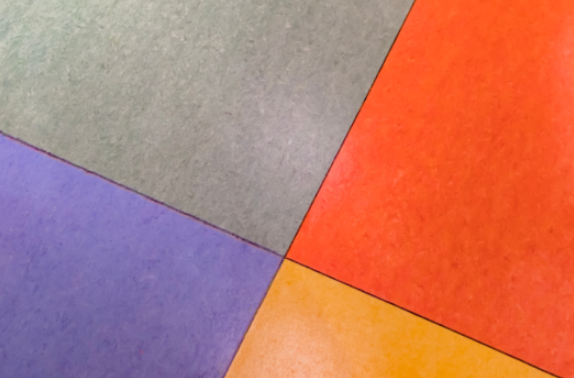
Every color choice sends a message. Bright colors such as red, orange, or yellow can convey energy, strength, and dynamism, stimulating activity and motivation. Neutral tones like gray, sand, or taupe create more elegant and relaxing environments, ideal for recovery or low-intensity training areas. Combining different color zones can visually divide spaces without physical barriers.
Floor color should not be chosen based solely on personal taste, but also according to the specific function of each area. A cardio zone may benefit from stimulating tones, while yoga or pilates areas are better suited to soft, calming colors.
Modern materials for a contemporary look
Beyond color, the material also contributes to the overall aesthetic. A decorative gym floor can be made of rubber, PVC, resins, or other technical materials with elegant or industrial finishes. The right material choice allows for distinctive visual effects such as concrete-look textures, pastel colors, or glossy finishes that enhance the gym’s visual identity.
A consistent design between flooring, equipment, and walls helps create a memorable visual experience. Flooring is not just a “background,” but can become a key element of the gym’s aesthetic storytelling.
Color psychology: how tones influence energy
The effect of warm and cool colors on motivation
Color psychology shows that tones directly influence our mental state. Warm colors, such as red, orange, and yellow, tend to stimulate activity, attention, and a sense of strength. These tones are ideal for environments focused on high motivation, such as weight rooms or HIIT areas. In contrast, cool colors – such as blue, green, or turquoise – promote calmness, focus, and recovery, making them perfect for stretching or relaxation zones.
Incorporating the right color palette into flooring can subtly yet effectively influence users’ training mindset, improving their mental readiness and encouraging longer, more productive sessions.
Chromotherapy applied to fitness space design
Chromotherapy, the discipline that studies the effects of colors on physical and mental well-being, also applies to fitness design. The strategic use of floor color – combined with lighting and wall design – can create energizing or calming environments depending on the time of day or type of workout. Some high-end gyms even use different colors depending on schedules or classes.
This attention to color is not only aesthetic but functional: stimulating users harmoniously through their senses improves perceived service quality, increasing retention and satisfaction. A colored gym floor thus becomes a powerful emotional marketing tool.
Emotional design: how flooring stimulates training
Encouraging movement through design
Emotional design aims to create spaces that evoke positive feelings. Applied to flooring, this concept translates into patterns, textures, and colors that inspire dynamism, vitality, and engagement. A floor decorated with directional lines, color contrasts, or abstract graphics can suggest movement, guide paths, or simply provide continuous visual stimulation.
When well designed, these elements strengthen the sense of belonging, make the gym feel more “alive,” and help users more easily enter the right mindset for training. The goal is to align visual energy with physical energy.
Case studies: gyms with inspirational flooring
Many international fitness chains have recognized the value of flooring as a motivational tool. Some use colored flooring with geometric patterns to encourage functional exercises, while others choose natural textures and calming palettes to create urban wellness spaces. In both cases, the floor becomes an active part of the emotional design.
A notable example is boutique gyms that use monochromatic floors to highlight dynamic LED lighting, creating an environment that adapts to the rhythm of classes. The emotional impact immerses users in a more intense and memorable experience, increasing loyalty.
Practical tips for managers and designers
Guidelines for choosing the right flooring
To select the ideal flooring, it is important to start from the target audience and the gym’s mission. Every choice, from color to material, should reflect brand values and the type of experience you want to offer. Choosing a design gym floor is not just about following trends, but about investing in long-term visual coherence and functionality.
Practical aspects such as durability, ease of cleaning, comfort, and sound insulation must also be considered. Aesthetic appeal should never compromise safety or efficiency.
Balancing aesthetics, durability, and functionality
The balance between aesthetics and performance is at the heart of any successful project. A visually appealing floor that is fragile or slippery can create operational and reputational issues. Conversely, a highly technical but visually dull floor may fail to enhance brand identity.
For this reason, it is advisable to rely on specialized fitness flooring suppliers who can combine design and technology. Only then can a modern gym floor truly contribute to motivation and the success of the facility.
Comments (0)