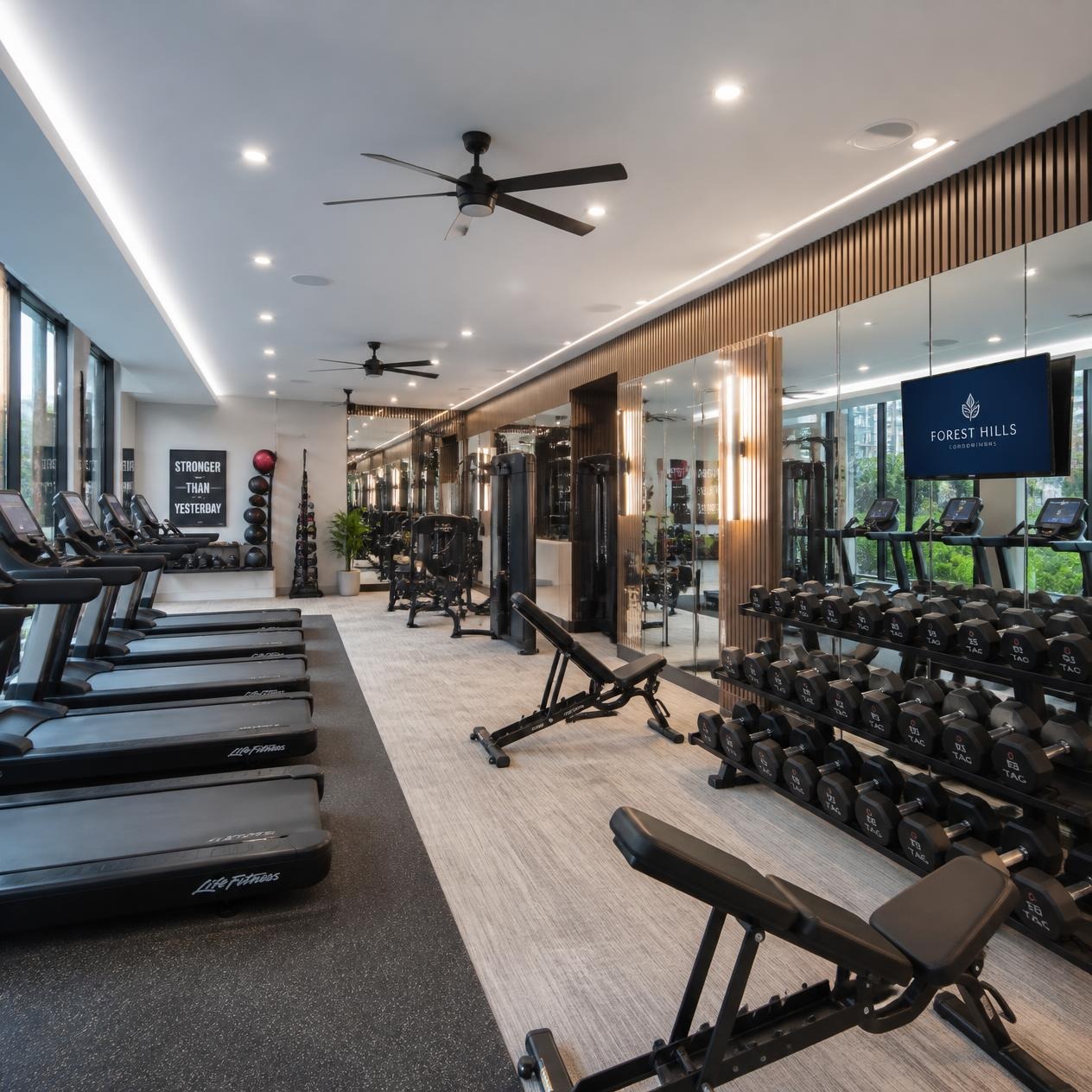
Creating a gym inside a condominium is a choice that is increasingly appreciated by administrators, builders, and real estate developers who wish to increase the value of the building and offer a concrete service to residents. However, designing a shared fitness space requires much more in-depth evaluations compared to setting up a private gym, as aspects related to safety, noise, maintenance, and compliance with regulations come into play.
The choice of the multi-gym machine is the heart of the entire project. A professional multi-gym station allows for concentrating numerous exercises into a single structure, reducing bulk, limiting the number of machines present, and simplifying the management of common areas. This approach also allows for offering a complete training experience without turning the condominium room into a traditional commercial gym.
In this guide, we analyze all the aspects that condominium administrators and real estate developers should evaluate before investing: from design to safety, from the choice of equipment to noise reduction, up to the criteria that allow for avoiding disputes, injuries, and unexpected costs in the long term.
Why build a condominium gym
A shared gym represents a service that is increasingly requested in new constructions and real estate redevelopments. Residents can train without traveling, improving their quality of life and increasing the perceived value of the entire building.
For the condominium, it means offering a concrete benefit that differentiates the property from other solutions on the market. This element is particularly interesting for medium-high-end residential complexes and new construction projects.
From a management perspective, concentrating investments on a few pieces of professional equipment reduces complexity and facilitates routine maintenance.
Optimizing available space
A single multi-gym machine allows for performing numerous exercises for the whole body while occupying much less space than a series of dedicated machines.
Increasing property value
The presence of well-designed fitness services constitutes a competitive element during the sale or rental of apartments, improving the attractiveness of the entire complex.
Regulations and safety
Compliance with condominium gym regulations is one of the most important aspects of the design. Equipment must be certified, installed correctly, and used according to the manufacturer's instructions.
It is advisable to provide adequate flooring, clear evacuation routes, sufficient lighting, and an environment that is easily controllable even during off-peak hours.
Safety does not concern only the machines, but also the organization of the spaces, the presence of user instructions, and documented periodic maintenance.
Equipment certifications
Professional machinery built according to European standards significantly reduces the risk of breakdowns and helps to limit any liability for the condominium.
Preventing injuries
Adequate space between equipment, intuitive adjustments, and scheduled maintenance are fundamental tools for reducing the risk of accidents.
How to choose the multi-gym machine
The choice of the ideal machine depends on the number of expected users, the size of the room, and the level of daily use. A professional multi-gym station must guarantee robustness, fluidity of movement, and ease of use even for inexperienced users.
The best solutions allow for training all major muscle groups without requiring continuous equipment changes, favoring a more orderly management of the common space.
For many projects, it is a winning solution to integrate a multi-gym station for hotels or accommodation facilities, adapting it to the needs of the condominium, as it is already designed for shared and continuous use.
Construction quality
Steel structures, high-density cushions, professional cables, and quality pulleys ensure long life and reduce maintenance interventions.
Versatility of exercises
A well-designed machine allows for training the chest, back, legs, shoulders, and arms, offering complete programs for users with different levels of experience.
Reducing noise and vibrations
One of the main fears of condominium residents concerns noise. To avoid complaints, it is essential to choose quiet fitness equipment and provide for adequate soundproofing systems.
Technical high-density rubber flooring helps absorb impacts, while professional machines equipped with shielded weight stacks strongly limit noise during use.
The correct fixing of the equipment and the layout of the spaces also affect the propagation of vibrations to adjacent apartments.
Sound-absorbing materials
Walls, ceilings, and floors can be treated with specific materials that improve the acoustic comfort of the environment.
Rules of use
Establishing hours, methods of use, and simple behavioral rules helps to maintain a serene atmosphere among all residents.
Designing the spaces
Good design allows for making the most of every square meter available while maintaining high levels of safety.
It is important to leave adequate passage spaces, provide areas dedicated to stretching, and ensure effective air exchange throughout the year.
Lighting, climate control, and the layout of the equipment directly affect the user experience and the perception of service quality.
Equipment distribution
The most used machines should be placed in easily accessible areas, leaving sufficient space for movement.
User comfort
Mirrors, sanitizer dispensers, coat racks, and proper ventilation significantly increase the quality level of the gym.
Management and maintenance
An efficient condominium gym requires scheduled checks and clear management of responsibilities.
Periodic inspections allow for identifying any wear and tear in a timely manner, avoiding costly extraordinary interventions and long periods of inactivity.
Preparing a maintenance log is a good practice both from an organizational point of view and in terms of safety.
Routine maintenance
Cleaning, lubrication, and checking of moving parts keep equipment performance high over time.
Professional assistance
Relying on specialized suppliers guarantees original spare parts, rapid interventions, and operational continuity.
Evaluating the return on investment
A well-designed gym helps to increase the prestige of the building and the satisfaction of the residents.
By concentrating the investment on quality professional equipment, maintenance costs are reduced and the life cycle of the facility is extended.
The initial choice of certified products also allows for limiting the risk of disputes and containing future expenses related to premature replacements.
Total cost of ownership
One should not evaluate only the purchase price but also reliability, maintenance, spare parts, and durability over time.
Benefits for the condominium
A modern fitness service increases the competitiveness of the property and improves the quality of life of the residents.
How to make the best decision
Choosing the most suitable solution requires a technical evaluation of the available environment, the number of expected users, and the goals of the condominium.
Investing in certified, quiet equipment designed for shared use allows for avoiding numerous management problems, reducing the risk of complaints, and offering a service that is truly appreciated by residents.
Relying on partners specialized in the design of condominium gyms allows for obtaining a facility that is consistent with current regulations, simple to manage, and capable of maintaining its value over time, transforming the initial investment into a concrete advantage for the entire residential complex.


 Budgets
 Dumbers
 Discs
 Benches
 Racks and Rigs
 Weights Holders
 Isotonic machines
 Calisthenics
 Cardio
 Kettlebells
 Flooring
 Gym Set
 Accessories
 Combat
 ARTI MARZIALI
 CONTAINER GYM
 Tug-Of-War
 Used Gym Equipment
 PILATES MACCHINARI
 GINNASTICA ARTISTICA
 CAMPI DA PADEL
 Prodotti in Pronta Consegna
 Informazioni
 IRONMAN
 Gift Card