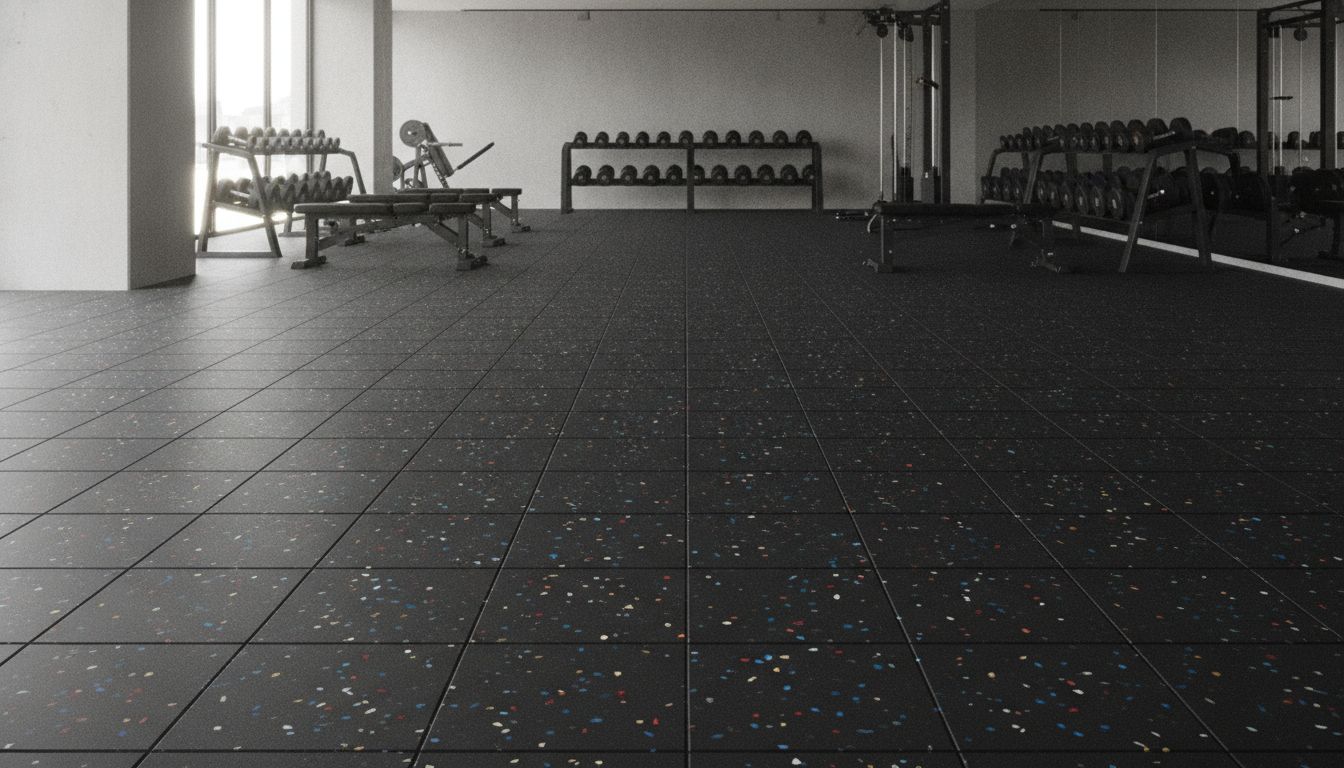
A gym flooring with colored flecks is, in itself, an aesthetic choice: the flecks show how the surface looks, not how it performs. To find out whether it suits your project, what matters is grain, thickness, installation conditions and what the manufacturer states in writing in the material data sheet.
If you are designing a gym, the risk is using appearance as a shortcut and discovering too late that cleaning, equipment movement or dropped loads were never assessed. This guide gives you a sequence of checks to separate the finish from the declared performance, with two selection scenarios and a checklist to take to the supplier.
This article does not repeat the general comparison on aesthetics found in how to choose a colored-fleck floor beyond looks: here the starting point is the mistake to avoid, not the product.
In this article
What is the real issue with colored flecks?
In rubber flooring, colored flecks or chips are usually a finishing choice: they change the visual impact and can better hide some signs of wear. What they do not do, on their own, is guarantee slip resistance, impact absorption or ease of cleaning.
The typical mistake is anchoring your judgement to a visible attribute: the surface looks technical, so it is assumed to be technical. A floor with colored flecks and a single-colour one may have different composition, density and thickness, or be almost identical: the data sheet says so, not the eye.
For this reason, the right approach is to reverse the question. Not "which finish do I like?" but "what performance do I need in this area, and where is it declared?"
What data should you collect before deciding?
Before comparing materials, define the use case. Without this data, any comparison remains purely aesthetic.
- Planned activities in the area: weightlifting, machines, cardio, functional training, circulation and standing areas.
- Loads and use: fixed or movable equipment, weights dropped or set down with control.
- Subfloor: type, flatness, presence of moisture or level changes.
- Cleaning: frequency, products used by the operator, footfall in the area.
- Footwear: trainers, barefoot or specific soles.
- Documents: material data sheet, installation and maintenance instructions, physical sample.
The more defined these points are, the more precise the supplier's answer can be. If you do not yet know a piece of data, note it as an assumption to verify, not as a certainty.
Criterion 1: do grain, surface and planned activities match?
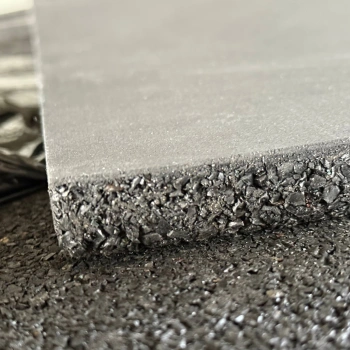
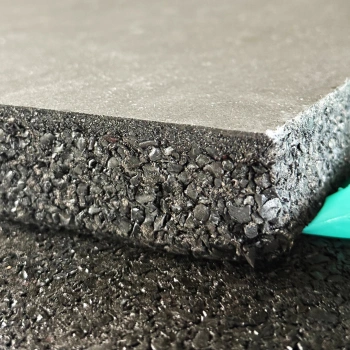
Grain is the visible and tactile structure of the rubber granule. A finer and a coarser grain behave differently in terms of cleaning, feel and appearance; we cover this in detail in fine grain vs coarse grain compared. The colored flecks sit on top of this structure, but they do not replace it.
What to look for on the sample
Run your hand over the surface and observe how the granule presents itself and where the flecks concentrate. Check whether the colour is distributed throughout the mass or only on the visible layer: this is something to ask the manufacturer, because it affects appearance over time.
What not to deduce from the sample
From a sample you cannot deduce slip resistance when wet, wear resistance or behaviour under dropped loads. For these properties you need declared data and, if relevant to the project, documented tests.
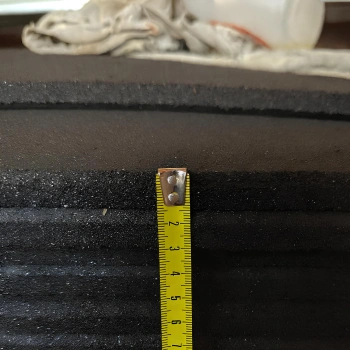
Thickness should be chosen according to use, not finish: to get your bearings on the relationship between loads and thickness, see the guide on rubber flooring thickness for weights, cardio and cross training.
Criterion 2: how do you assess cleanability, slip resistance and equipment movement?
These are three practical aspects that the finish can influence, but they must always be verified for the specific material.
- Cleanability: a more textured surface may trap more dirt or show it less. Ask which cleaners are compatible and which are advised against in the maintenance instructions.
- Slip resistance: only talk about it if it is documented. A trade name or an adjective in a product sheet does not replace test data; if you need a value, ask for it with the reference method.
- Equipment movement: benches, trolleys and machines can mark or drag the floor. Ask how the material behaves and which precautions (feet, protectors, routes) the manufacturer recommends.
On hygiene in busy spaces, the comparison between formats is covered in cleaning and hygiene of gym tiles and rolls. Here it is enough to note that choosing between tiles and rolls changes the number of joints you have to manage.
An example category to start from
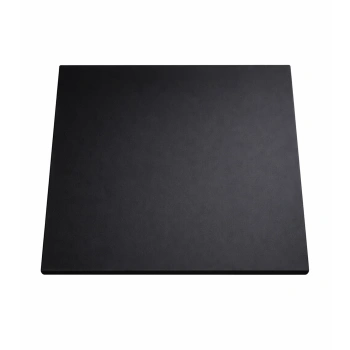
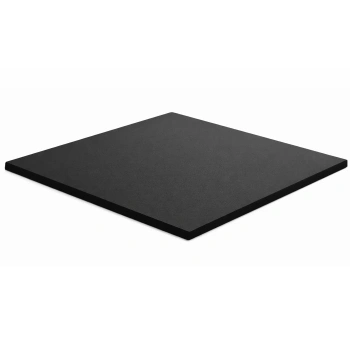
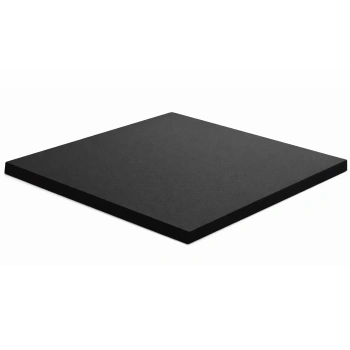
To apply these criteria to a real case, you can look at the rubber tiles or the rubber rolls, comparing each model's data sheet, thickness and installation instructions. As an example, among the catalogue solutions you will find the professional gym flooring 50x50x2 cm and the 1x1 m fine-grain rubber flooring, 3 cm thick: check each data sheet for what is declared and what is not.
Which documentary checks are needed, and what does each one prove?
Each document answers a specific question. Putting them in a table prevents attributing to one document what another one proves.
| Document or test | What it lets you verify | What it does not prove |
|---|
| Material data sheet | Composition, dimensions, thicknesses, declared values | Behaviour in your specific environment |
| Physical sample | Grain, colour, feel, fleck appearance | Slip resistance, durability, load resistance |
| Installation instructions | Required subfloor, adhesive or loose-lay, joints | The actual quality of the installation |
| Maintenance instructions | Compatible cleaners and frequencies | Real cleanability at end of service life |
| Declared test or certificate | A parameter measured with a known method | Other parameters not tested |
If a performance property does not appear in any document, treat it as undeclared. This is not a negative judgement on the material: it simply means you cannot base a design decision on it.
How does the choice change in two scenarios with explicit constraints?
These scenarios are examples of reasoning, not prescriptions: your case may have different constraints.
Scenario A: personal training studio with trolleys and machines moving around
Constraints: frequent cleaning, equipment that is repositioned, controlled loads. Here, joint management, compatibility with cleaners and behaviour under equipment feet matter most. Colored flecks can help hide light marks, but the decision rests on the data sheet, thickness and installation instructions.
Scenario B: functional box with weights that may be dropped
Constraints: repeated impacts, overlap between training zones and drop areas. Here thickness and material type come before the finish; on the topic of drop zones you can go deeper with drop zone and suitable flooring for weightlifting. If the supplier does not document behaviour under dropped loads, consult the technical manager before buying.
In both cases, aesthetics is a legitimate criterion, but it comes after suitability. For the visual side and how environments motivate users, see colored gym flooring: aesthetics and motivation.
Final checklist, signs of unsuitability and questions for the supplier
Before ordering or having the floor installed, go through these steps.
- Define the activities, loads, subfloor and cleaning routine for the area.
- Collect the material data sheet, installation and maintenance instructions.
- Request a physical sample and evaluate it under the lighting and use conditions of the space.
- Compare grain, thickness and format with the planned activities.
- Verify that every performance claim is documented, not just suggested by the name.
- Note exclusions, responsibilities and who carries out the final installation check.
Signs of unsuitability
- Performance claims made verbally or in descriptions, but absent from the data sheet.
- No installation or maintenance instructions available.
- Thickness proposed based on the finish rather than the planned load.
- Impossibility of seeing a sample before ordering.
Questions to ask the supplier
- Which values are declared, and with which method or reference?
- Is the colour distributed throughout the mass or only on the surface?
- Which cleaners are compatible, and which should be avoided?
- What subfloor does installation require, and what precautions apply to joints?
- How does the material behave with equipment that is moved regularly?
Frequently asked questions
Do colored flecks make the floor more slip-resistant?
Not automatically. Slip resistance depends on the material and surface and must be confirmed by data declared in the data sheet; appearance alone is not proof.
Is a floor with colored flecks easier to clean?
It may show dirt less, but real cleanability depends on the surface structure and the manufacturer's maintenance instructions. Ask for them and test the sample.
Which document is the most important to request?
The material data sheet, together with the installation and maintenance instructions. The physical sample completes the picture but does not replace declared data.
Can I choose based only on colour if the area has light traffic?
Colour can be a final criterion among options that are already suitable. First check thickness, format and installation; then choose the finish you prefer.
How to proceed in practice
Treat colored flecks as an aesthetic variable and build your decision on activities, documents and samples. If you start from these, the finish becomes the last piece of the puzzle, not a shortcut.
To compare concrete solutions, start from the rubber flooring category and the flooring range in the catalogue. If you have a project with specific constraints, you can request a consultation or a quote from Donatif stating the area, activities and subfloor.


 Budgets
 Dumbers
 Discs
 Benches
 Racks and Rigs
 Weights Holders
 Isotonic machines
 Calisthenics
 Cardio
 Kettlebells
 Flooring
 Gym Set
 Accessories
 Combat
 ARTI MARZIALI
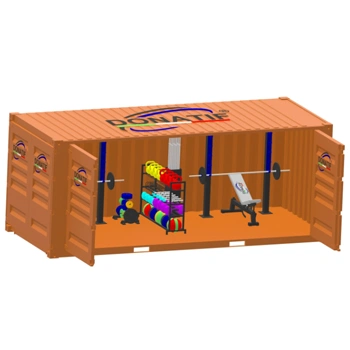 CONTAINER GYM
 Tug-Of-War
 Used Gym Equipment
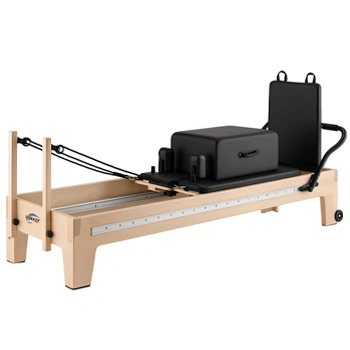 PILATES MACCHINARI
 GINNASTICA ARTISTICA
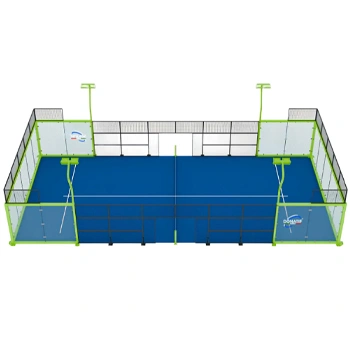 CAMPI DA PADEL
 Prodotti in Pronta Consegna
 Informazioni
 IRONMAN
 Gift Card