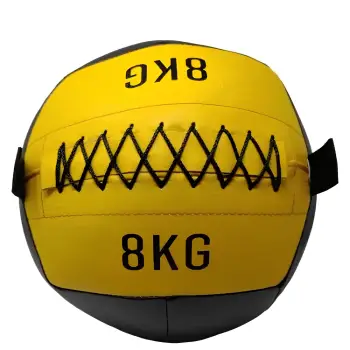
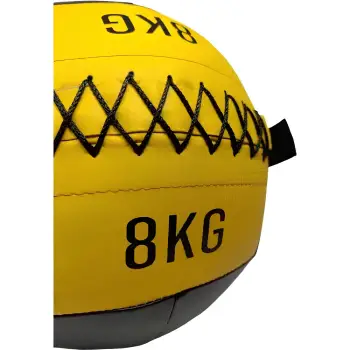
When it comes to functional training, CrossFit, and athletic preparation, one of the most common mistakes is considering the medicine ball and the slam ball to be identical pieces of equipment. In reality, these are tools designed with very different characteristics and intended for specific uses. Choosing the wrong product not only limits the effectiveness of the workout but can lead to premature wear of the equipment and unnecessary costs for gyms, boxes, and fitness centers.
Many managers purchase a classic medicine ball thinking they can use it for high-intensity slams. After a few weeks, deformations, damaged seams, or a loss of functionality begin to appear. Likewise, using a slam ball for exercises that require bouncing or precision can compromise the quality of the workout and the users' experience.
This guide analyzes in detail the differences between medicine balls and slam balls, comparing materials, behavior during use, durability, types of exercises, and selection criteria. Understanding these differences allows for a smarter investment, increased equipment longevity, and the ability to offer more effective workouts to your clients.
The main differences between medicine ball and slam ball
The most obvious difference concerns behavior during impact with the ground. The slam ball is designed not to bounce, while many medicine balls return part of the energy accumulated during the throw.
This characteristic completely influences the type of exercises that can be performed. A slam ball allows for violent throws toward the floor without losing control of the tool, while a medicine ball is generally used for passes, rotations, partner exercises, and technical movements.
Understanding this difference avoids errors that can compromise both safety and the durability of the equipment.
The role of the bounce
The presence or absence of a bounce completely changes the dynamics of the exercise and the type of training stimulus.
Intended use
Every product is created for specific needs and should be used exclusively for the activities for which it was designed.
Materials and construction
Slam balls are generally made of highly resistant rubber and filled with sand or high-density materials that prevent bouncing. The surface is designed to withstand thousands of impacts against the floor.
Traditional medicine balls, on the other hand, can be covered in rubber, vinyl, or synthetic leather and use different fillings that allow for a better grip and, in some cases, slight elasticity.
The seams and weight distribution also change significantly, influencing comfort, precision, and durability.
Slam ball materials
High-resistance rubber absorbs repeated impacts and reduces the risk of breakage during intensive workouts.
Medicine ball materials
The coverings are designed to improve grip and facilitate technical exercises, rotations, and controlled throws.
When to choose a Slam Ball
The slam ball represents the ideal solution for high-intensity exercises that involve throwing the tool toward the ground. Its ability to completely absorb the impact allows you to repeat the movement quickly without chasing the bounce.
It is one of the most used tools in metabolic circuits, HIIT, and athletic preparation, thanks to the ability to develop power, coordination, and endurance.
The best slam ball exercises simultaneously involve the lower limbs, core, and upper body, increasing energy expenditure and improving the ability to produce explosive force.
Main advantages
Maximum impact resistance, high safety, and the ability to perform continuous slams even during very intense workouts.
Who should use it
CrossFit boxes, functional training centers, athletic trainers, and gyms that offer high-intensity circuits.
When to choose a Medicine Ball
The medicine ball is indicated for workouts that require precision, control, and collaboration between two or more people.
It is widely used in athletic preparation, rehabilitation, mobility work, and coordination exercises.
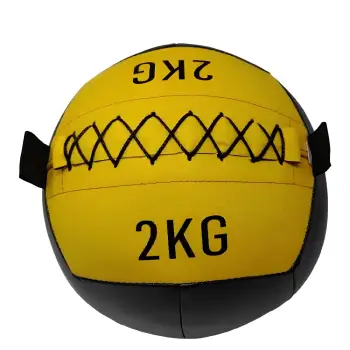
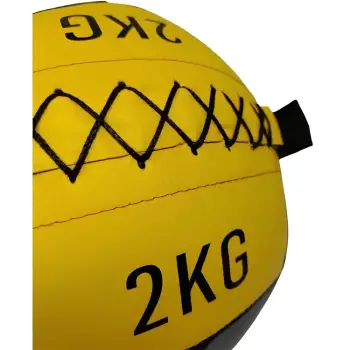
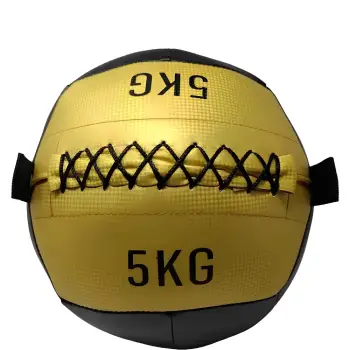
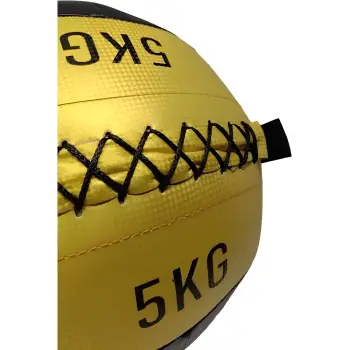
There are also models of medicine ball with handles that facilitate certain strength exercises and allow for a more secure grip during complex movements.
Strengths
Versatility, precision, and greater variety of exercises compared to a traditional slam ball.
Applications
Ideal for personal training studios, physiotherapy centers, athletic preparation, and general fitness programs.
The ideal exercises for each tool
The slam ball excels in slams, floor throws, metabolic circuits, and high-intensity physical conditioning work.
The medicine ball, on the other hand, offers maximum performance during trunk rotations, explosive passes, core stability exercises, and wall throws.
In the world of CrossFit, wall ball crossfit exercises take on particular importance, requiring a ball specifically designed to ensure grip, control, and predictable behavior during contact with the target.
Training power
Slams are one of the most effective exercises for developing explosive force and coordination.
Training the core
Rotations and controlled throws improve trunk stability and the ability to transfer force.
Durability and maintenance of the equipment
For a sports entrepreneur, durability is one of the most important factors in choosing equipment. Using each product according to its intended use significantly extends the useful life of the investment.
Repeatedly throwing a medicine ball designed for technical exercises against hard surfaces can cause deformations, opening of the seams, and loss of original characteristics.
A slam ball, however, is built precisely to withstand thousands of consecutive impacts while maintaining constant shape, weight, and performance over time.
How to store them
Regular cleaning, surface inspection, and proper storage contribute to increasing the durability of the equipment.
Errors that reduce durability
Using the wrong tool for the wrong exercise is the most frequent cause of premature replacements.
How to choose based on your gym
The choice depends mainly on the type of clientele and the workouts offered. A CrossFit box will mainly use slam balls and wall balls, while a personal training studio might benefit more from the versatility of the traditional medicine ball.
The volume of use is also decisive. The higher the intensity of the sessions, the higher the construction quality of the equipment must be to ensure operational continuity and reduce replacement costs.
For those who want to offer a complete functional area, the best solution often consists of integrating both types of products, assigning each its own specific role within the programming.
Evaluating the budget
Investing in professional products reduces the overall cost in the medium term thanks to greater durability.
Expanding the functional area
Progressively purchasing complementary equipment allows you to expand your offering without waste.
Why buying the correct equipment is a strategic choice
The difference between a well-organized gym and one that faces continuous replacement expenses also lies in the choice of the most suitable tools. Understanding the characteristics of each tool means offering more effective workouts, improving customer satisfaction, and preserving the value of the investment over time.
Facilities that select professional equipment dedicated to the real needs of functional training are able to guarantee greater safety, better performance, and superior durability of their equipment. To learn more about choosing the best solutions dedicated to functional training, you can consult functional training equipment and evaluate products designed for professional use.
Slam balls and medicine balls are not competitors but complementary tools. Knowing their differences allows you to design more complete programs, avoid costly mistakes, and build a functional area capable of meeting the needs of beginners, advanced athletes, and athletic preparation professionals.


 Budgets
 Dumbers
 Discs
 Benches
 Racks and Rigs
 Weights Holders
 Isotonic machines
 Calisthenics
 Cardio
 Kettlebells
 Flooring
 Gym Set
 Accessories
 Combat
 ARTI MARZIALI
 CONTAINER GYM
 Tug-Of-War
 Used Gym Equipment
 PILATES MACCHINARI
 GINNASTICA ARTISTICA
 CAMPI DA PADEL
 Prodotti in Pronta Consegna
 Informazioni
 IRONMAN
 Gift Card