
Trolley
You have no items in your shopping cart

 Budgets
 Dumbers
 Discs
Discs
 Benches
 Racks and Rigs
 Weights Holders
 Isotonic machines
 Calisthenics
 Cardio
 Kettlebells
 Flooring
 Gym Set
 Accessories
 Combat
 ARTI MARZIALI
 CONTAINER GYM
 Tug-Of-War
 Used Gym Equipment
 PILATES MACCHINARI
 GINNASTICA ARTISTICA
 CAMPI DA PADEL
 Prodotti in Pronta Consegna
 Informazioni
 IRONMAN
 Gift Card
- Donatif
- Sports products
- 0 I like it
- 2558 Views
- 0 comments
- stress reduction, improved self-esteem, physical and mental well-being, gym training
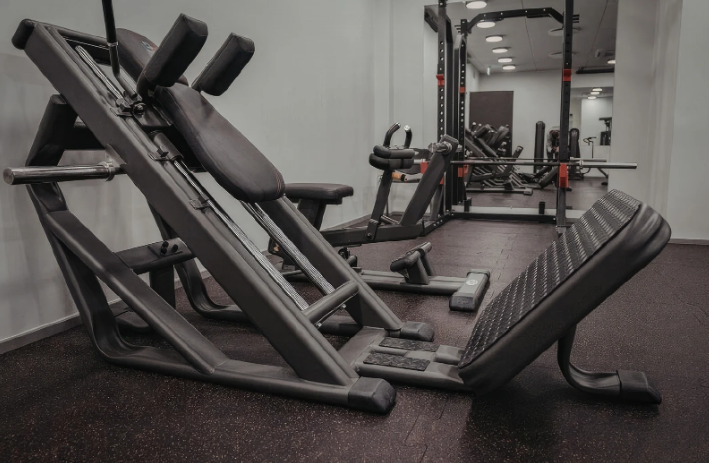
READING TIME: 5 MINUTES ➤➤
Setting Up a Motor Rehabilitation Gym: The 5 Essential Equipment
Setting up a motor rehabilitation gym means designing a technical space where every piece of equipment contributes to the patient’s functional recovery. It is not simply about placing machines, but about building an environment aligned with rehabilitation protocols, regulatory safety, and therapeutic progression. In this context, choosing the right equipment becomes a strategic factor that directly impacts clinical outcomes.
Professionals working in motor rehabilitation know that improvisation is one of the most common mistakes. A structured checklist helps avoid ineffective investments and allows the creation of a truly functional facility that meets the needs of physiotherapists, personal trainers, and medical centers.
- Skills and planning
- Swedish wall bars
- Parallel bars and pathways
- Isotonic machines
- Treatment tables
- Accessories
- Certifications
- Turnkey solutions
Why setting up a motor rehabilitation gym requires specific expertise
A motor rehabilitation gym is not a standard gym adapted for therapy. It is a space specifically designed to work on mobility, post-traumatic recovery, and functional re-education. This requires careful selection of equipment based on clinical evidence and precise operational protocols.
Many professionals underestimate the initial complexity, relying on generic solutions. In reality, a professional approach requires knowledge of workflow management, patient safety, and equipment integration. This is where the value of expert guidance and qualified suppliers becomes evident.
Swedish wall bars: the foundation of functional rehabilitation
Swedish wall bars are one of the most versatile tools in rehabilitation. They allow stretching, joint mobility, and strengthening exercises in a controlled way, adapting to different recovery levels.
Build quality is essential. Durable materials, secure fixings, and structural stability determine effectiveness and safety in daily use. In a professional setting, choosing certified equipment ensures operational continuity and reduces long-term risks.
Parallel bars and motor pathways: control and movement recovery
Parallel bars for physiotherapy are designed to support gait recovery and balance training. They allow patients to work safely while progressively developing autonomy and motor control.
When integrated with motor pathways, these structures become comprehensive tools for functional rehabilitation. Adjustability, stability, and compatibility with other equipment are key elements in creating a truly professional environment.
Certified isotonic machines: safety and therapeutic progression
Certified isotonic machines allow controlled and progressive muscle strengthening. They are essential for managing loads, range of motion, and individual patient adaptations.
The presence of CE certifications and high-quality standards is a fundamental requirement. These machines must ensure precision, smooth movement, and safety—factors that directly affect rehabilitation quality and service perception.
Treatment tables: integration between therapy and movement
Professional treatment tables represent the connection between passive therapy and active exercise. They must provide comfort, adjustability, and stability to meet different therapeutic needs.
A well-designed environment integrates these stations with other equipment, creating a continuous workflow. This approach improves professional efficiency and enhances the patient experience.
Accessories and technical complements: the detail that makes the difference
Rehabilitation accessories complete the gym, allowing exercises to be tailored to specific needs. Resistance bands, balance boards, and small functional tools expand operational possibilities.
Often underestimated, these elements are actually key to differentiating the service. A well-equipped center offers variety and precision, directly impacting perceived quality and outcomes.
Certifications and quality: what to evaluate before purchasing
Certifications are not just bureaucratic details but concrete guarantees of safety and compliance. In medical and rehabilitation environments, choosing certified equipment protects both professionals and patients.
Beyond regulations, it is important to assess materials, finishes, and supplier reliability. A more informed initial investment helps avoid future costs and ensures long-term operational continuity.
Turnkey solutions for professional centers
Turnkey solutions are the most effective choice for setting up a complete facility. They integrate design, supply, and installation into a single process, reducing errors and startup time.
Relying on partners like Donatif means accessing a structured service based on direct experience and technical expertise. From selecting motor rehabilitation equipment to installation, every phase is managed with a professional, results-oriented approach.
Comments (0)