
Trolley
You have no items in your shopping cart

 Budgets
 Dumbers
 Discs
Discs
 Benches
 Racks and Rigs
 Weights Holders
 Isotonic machines
 Calisthenics
 Cardio
 Kettlebells
 Flooring
 Gym Set
 Accessories
 Combat
 ARTI MARZIALI
 CONTAINER GYM
 Tug-Of-War
 Used Gym Equipment
 PILATES MACCHINARI
 GINNASTICA ARTISTICA
 CAMPI DA PADEL
 Prodotti in Pronta Consegna
 Informazioni
 IRONMAN
 Gift Card
- Donatif
- Training and exercises
- 0 I like it
- 2167 Views
- 0 comments
- gym flooring, safety flooring, gym safety, shock-absorbing materials
READING TIME: 5 MINUTES ➤➤
Correct Rowing Technique: Common Mistakes and How to Avoid Them
Proper rowing technique is the starting point for using a rowing machine with more safety, better control and less frustration. Many people approaching this machine for the first time think that rowing simply means pulling the handle hard, but the rowing stroke is actually a coordinated movement in which legs, torso and arms work together in a precise sequence. When this order is respected, the motion becomes smoother and the workout far more effective.
Many discomforts come from small repeated mistakes: tense shoulders, rounded back posture, arms pulling too early or inconsistent rhythm. This does not mean the rowing machine is difficult to use, but rather that it needs to be understood before increasing intensity and workout duration. Learning how to row correctly helps build confidence, especially for beginners or people worried about not using the equipment properly.
The correct rowing sequence
Leg drive, torso opening and final pull
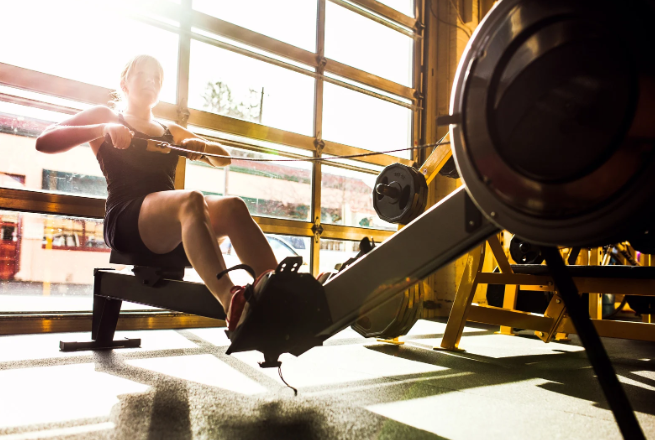
The rowing stroke starts from the catch position, with bent knees, slightly forward torso lean and extended arms. From here, the first movement should not come from the arms but from the leg drive. The legs are the main engine of the movement: they push against the footplates, move the seat and create the foundation of the stroke. Only when the legs are almost extended should the torso begin to open slightly backward while maintaining a stable and controlled line. The arm pull comes last, bringing the handle toward the lower chest or upper abdominal area without jerking.
A useful way to memorize the sequence is to think in three ordered phases: legs, torso, arms. This structure prevents excessive strain on the upper body and makes the rowing technique feel more natural. Power should not be explosive and chaotic, but progressive, as if each phase prepares the next one. When the movement is coordinated, the rowing stroke appears fluid, continuous and controlled, without sudden impacts on the seat or unnecessary tension in the shoulders.
The recovery phase: the most underestimated movement
After the final pull comes the recovery phase, which is the return to the starting position. During this stage, the order reverses: first the arms extend, then the torso leans slightly forward, and only at the end do the knees bend to allow the seat to slide forward. This transition is important because it prepares the next rowing stroke. If the knees bend too early, the handle may collide with the legs and the movement becomes awkward and broken.
The recovery should not feel like a disorganized pause but rather an active and controlled phase. Maintaining a return speed slightly slower than the drive phase helps create rhythm and stability. For beginners, focusing on recovery is often more useful than immediately increasing resistance. A correct rowing posture also starts here: returning forward without collapsing through the spine and without losing control of the handle.
Posture and body control on the rowing machine
Stable back, relaxed shoulders and natural grip
The back should remain stable throughout the entire movement, avoiding both excessive forward rounding and overextension backward. There is no need to become stiff: the goal is to keep the torso compact, the core engaged and the shoulders relaxed away from the ears. A posture that is too rigid may create tension, while a posture that is too loose can easily compromise alignment. The correct feeling is one of control without unnecessary stiffness.
The grip on the handle should feel natural, without squeezing harder than necessary. Hands, wrists and forearms should stay aligned, avoiding forced angles. If tension appears in the neck or shoulders during rowing, the problem is often not the amount of force but how that force is distributed. Lowering the resistance, slowing the pace and returning to the basic sequence can help restore a more comfortable and correct rowing stroke.
Feet, seat position and handle distance
The feet should rest firmly on the footplates and be secured with the straps without excessively restricting ankle movement. A setup that is too high or too low can change the movement trajectory and make the leg drive less natural. Seat position also matters: you should sit centered, with body weight distributed evenly, avoiding side-to-side shifting during the drive phase.
The distance between the body and the handle changes throughout the stroke, but control should remain constant. In the starting position, there is no need to force an extreme forward reach or excessively collapse the torso. In the finish position, it is better to avoid leaning too far backward or turning the movement into a back extension exercise. The rowing machine works best when the body follows a coherent trajectory in which every segment moves at the correct moment.
Common rowing mistakes and how to fix them
Pulling too early with the arms
One of the most common rowing machine mistakes is initiating the pull too early with the arms. This often happens because the handle is the most visible part of the machine, making people think it should drive the movement. In reality, if the arms work before the legs, power is lost, perceived effort increases and the stroke becomes less efficient. The arms should stay extended during the initial drive phase, simply following the movement created by the legs.
To correct this mistake, it helps to perform slow rowing strokes while focusing only on movement order. First the legs push, then the torso opens, and finally the arms pull. During the first training sessions there is no need to chase speed or high intensity. The priority should be building a clean and repeatable movement pattern. Once the sequence becomes automatic, it becomes easier to increase pace and resistance without losing technique quality.
Rounding the back or losing rhythm
Another common mistake is collapsing too far forward at the catch or losing spinal stability during recovery. This often happens when trying to create more movement range than can actually be controlled. The rowing stroke does not require reaching as far forward as possible, but rather finding a compact and stable starting position. If the torso collapses, the next movement begins from a weaker and less efficient position.
Irregular rhythm can also reduce workout effectiveness. Driving hard and then rushing back in a disorganized way creates abrupt impacts, loss of coordination and increased fatigue. It is better to think of a powerful drive followed by a controlled recovery. This approach makes the rowing stroke easier for the body to manage and helps identify technical mistakes before they become habits.
How to make rowing more effective and safe
Resistance, rhythm and breathing
For beginners, rowing machine resistance should remain manageable. Setting it too high does not automatically improve the workout and may encourage compensations through the back and arms. Moderate resistance allows you to better feel the movement sequence and maintain clean technique for longer periods. Effectiveness comes from movement quality, not only from how difficult the workout feels.
Breathing also helps maintain movement continuity. Exhaling during the drive phase and inhaling during recovery can make the rowing stroke feel more controlled, especially during longer sessions. The rowing monitor, when available, can also help track pace, timing and consistency without turning the workout into a competition. The goal is to build a reliable technical foundation before gradually increasing duration and intensity.
Learning progressively and staying in control
Progression is one of the keys to training better. The first sessions should focus on understanding the equipment, learning posture and repeating the movement calmly. Short, technically controlled workouts are often more useful than long poorly executed sessions. This is especially important for beginners and older users, who may benefit from a slower and more conscious learning process.
If unusual tension or persistent discomfort appears, it is advisable to stop the exercise and reassess technique instead of forcing through it. This article does not replace guidance from a healthcare professional or qualified trainer, but it offers practical suggestions for using a rowing machine more carefully and effectively. Training safely means listening to the body, respecting progression and understanding the difference between normal fatigue and warning signs that should not be ignored.
Training better through proper technique
From correct movement to confidence with the machine
Once the rowing sequence is understood, the rowing machine becomes a far more intuitive and less intimidating piece of equipment. Confidence comes from knowing what to do: where to place the feet, when to push, when to pull, how to return forward and how to stabilize the torso. This reduces the feeling of improvisation and makes every session more organized. For people worried about doing ineffective workouts, technique is the first true sign of quality.
Repeating the correct movement does not mean training in a boring way. Instead, it builds a solid foundation that later allows variations in intensity, duration and workout goals. When the rowing stroke feels fluid, users can better perceive leg engagement, control breathing and maintain more reliable posture. From this comes real satisfaction: the feeling that the machine is not simply being used, but truly understood.
Accessories and tools that improve the experience
Some tools can make learning easier. A clear monitor helps track pace and consistency, while tutorial videos or demonstration clips allow users to compare their movement with a correct rowing sequence. Ergonomic accessories, when compatible with the equipment, can also improve comfort and stability, especially for people training regularly in a home gym environment.
The most important choice, however, is starting with a strong technical foundation. Before chasing high intensity, advanced programs or very long sessions, it is worth dedicating time to posture, rhythm and coordination. With a gradual approach, the rowing machine can become a practical ally for training at home or in the gym with greater awareness and confidence.
Comments (0)