
Trolley
You have no items in your shopping cart

 Budgets
 Dumbers
 Discs
Discs
 Benches
 Racks and Rigs
 Weights Holders
 Isotonic machines
 Calisthenics
 Cardio
 Kettlebells
 Flooring
 Gym Set
 Accessories
 Combat
 ARTI MARZIALI
 CONTAINER GYM
 Tug-Of-War
 Used Gym Equipment
 PILATES MACCHINARI
 GINNASTICA ARTISTICA
 CAMPI DA PADEL
 Prodotti in Pronta Consegna
 Informazioni
 IRONMAN
 Gift Card
- Donatif
- Training and exercises
- 0 I like it
- 1917 Views
- 0 comments
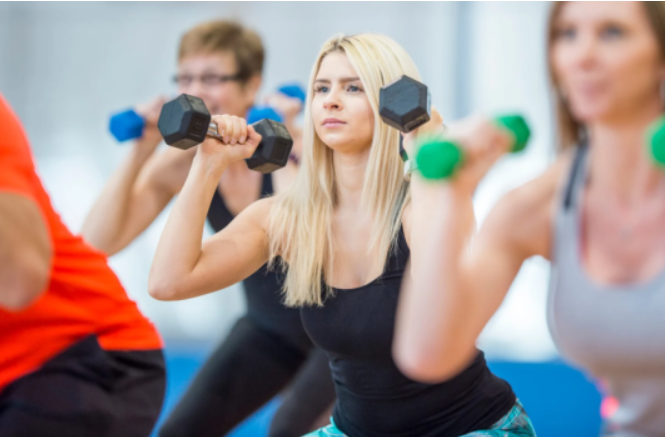
READING TIME: 5 MINUTES ➤➤
Complete Fitness Guide for Beginners: From Zero to Hero
Starting a fitness journey from scratch can seem like a monumental challenge, especially for those who live a sedentary lifestyle or feel out of shape. The truth, however, is that every transformation begins with a first step, often small but full of meaning. This guide was created precisely for people who are at that exact point: eager to change but unsure where to begin. With a gradual, safe, and motivating approach, you will discover that fitness is not a destination reserved for a select few, but a journey accessible to everyone.
We will guide you through a step-by-step program designed specifically for beginners, including safe exercises, practical advice, and strategies to stay motivated. No pressure, no performance anxiety—just the desire to improve and take care of your body one day at a time. Whether you want to feel more energetic, prevent health issues, or simply feel better when you look in the mirror, you are in the right place. Your journey starts now.
- Why starting a fitness journey can change your life
- The perfect program for those starting from zero
- Safe and effective exercises for beginners
- Practical tips to stay motivated
- Turning fitness into an active and lasting lifestyle
Why starting a fitness journey can change your life
From a sedentary lifestyle to the best version of yourself
People often underestimate how much a physical transformation can positively influence every aspect of life. Anyone coming from a sedentary lifestyle knows what it feels like to be constantly tired for no clear reason, struggle with sleep quality, or live with a lingering dissatisfaction about their body. Starting a fitness routine—even a simple one—can trigger a chain reaction of positive changes: more energy, greater self-esteem, less stress, and renewed confidence in your abilities. It is not just about physical appearance; it is about learning to take care of yourself in a conscious and lasting way.
For those who have spent a long time without regular movement, change may seem difficult, almost unreachable. In reality, there is no “right” age or physical condition to begin. Any day can be the right one. The real key is consistency, not perfection. You do not need to start fast—you simply need to start.
Common fears and how to overcome them with a gradual approach
Many people avoid starting a fitness journey because they fear they are not good enough, worry about injuries, or feel afraid of being judged. These fears are understandable but often unfounded. A beginner-friendly approach should be inclusive, judgment-free, and based on gradual progression. No one is born trained, and even the most experienced athletes had their first day at the gym.
Performance anxiety can be reduced by choosing welcoming environments, starting with home workouts, and most importantly following a program that respects your personal pace. In this guide you will find exactly that: a path that leads you step by step, providing safety, motivation, and the tools to build a positive relationship with movement.
The perfect program for those starting from zero
First steps: preparing physically and mentally
Before even beginning your workouts, it is important to build a solid foundation both physically and mentally. Your body needs time to gradually adapt to movement, while your mind must get used to a new routine. This means starting with small daily goals, such as a 15-minute walk or simple mobility exercises. At the same time, it helps to establish a specific place and time for your workout, even if it is brief. Simply “showing up” for that daily appointment is already a huge step toward success.
Mental preparation also involves changing your internal dialogue. Instead of thinking “I can’t do this,” try telling yourself “I’m learning how to do it.” This small shift helps create a mindset of confidence and patience toward yourself, which will be essential in the later stages of your journey.
Weekly program structure for beginners
A good beginner program should be balanced, varied, and sustainable over time. The goal is not to become an athlete in a month but to build a habit that lasts. Start with three sessions per week, alternating with rest days or light movement. Each session should last between 20 and 40 minutes and include warm-up, main exercises, and cool-down.
Variety is essential for maintaining motivation. Alternate light cardio exercises, such as jumping in place or brisk walking, with bodyweight strengthening exercises. Over time, you can integrate more challenging circuits or introduce small pieces of equipment—but there is no need to rush. The most important thing is that every session feels achievable and stimulating.
How much to train: recommended frequency, duration, and intensity
For beginners, the ideal starting point is three workouts per week, gradually increasing based on how your body feels. Each session can last between 20 and 40 minutes, although even 10 minutes can make a difference if done consistently. Intensity should remain moderate: the goal is not to push yourself to the limit but to create a habit. A light sweat and an increased heart rate are positive signs, but you should never feel completely exhausted or frustrated.
Always listen to your body. If an exercise causes pain, modify it or replace it. Progress in fitness is not linear—it is cumulative. Every small effort, repeated over time, builds something meaningful. Consistency always wins over perfection.
Safe and effective exercises for beginners
Bodyweight exercises: the foundation of movement
When starting a fitness journey, bodyweight exercises are the safest and most accessible choice. They allow you to develop strength, mobility, and coordination without the risk of excessive overload or injury. Movements such as squats, lunges, planks, and wall push-ups are excellent for learning how to control your body and maintain proper posture. No equipment is required—just a mat and the willingness to get started.
A key advantage of bodyweight training is the ability to adapt every exercise to your level. If a full squat feels too challenging, you can start with a partial version or perform it with support. The important thing is maintaining correct technique and focusing on progression without rushing. This approach helps build a solid foundation for more advanced exercises in the future.
The importance of warm-up and cool-down
Many beginners overlook two crucial phases of every training session: warm-up and cool-down. The warm-up prepares the body for effort, increases muscle temperature, and reduces the risk of injury. Just five to ten minutes of joint mobility, walking in place, or light exercises are enough to activate the main muscle groups. It is also a valuable moment to mentally focus on the workout ahead.
The cool-down helps the body gradually return to a resting state, supporting recovery and preventing muscle stiffness. It may include static stretching, deep breathing, and hydration. Incorporating these phases into your routine means taking complete care of your body, respecting its natural rhythms.
Easy workouts you can do at home without equipment
You do not need to join a gym to begin your fitness journey. Many effective workouts can be done comfortably at home. The home environment offers comfort, privacy, and flexible scheduling. With just a few square meters of space, you can perform complete circuits alternating light cardio with bodyweight strength exercises.
A simple example could include 30 seconds of marching in place, 10 assisted squats, 10 alternating lunges, a 15-second plank, and a short stretching phase. Repeat the circuit two or three times, gradually increasing repetitions over time. The goal is to create a routine that adapts to your real life, not the other way around. Consistency—more than intensity—will make the difference in the long term.
Practical tips to stay motivated
How to set realistic and achievable goals
One of the most common mistakes beginners make is setting goals that are too ambitious, often leading to frustration and giving up. The key to staying motivated is setting realistic, concrete, and measurable goals. For example, “working out three times a week for 20 minutes” is a clear and achievable goal, far more effective than a vague “I want to get fit.”
Breaking your journey into intermediate milestones allows you to experience every small progress as a success. Keeping a workout journal, taking monthly photos, or noting improvements in your energy levels are simple but powerful ways to track results and maintain motivation.
Strategies to overcome moments of stagnation
During any physical transformation journey, it is normal to encounter periods of fatigue, boredom, or slower progress. In these moments, it is important to remember that consistency matters more than perfection. Missing one workout does not mean you have failed—it simply means you are human. What matters is getting back on track as soon as possible without guilt.
Changing the type of exercise, training with a friend, or trying new online workout videos can help bring back enthusiasm. Even taking a strategic break can recharge your energy. Motivation is not constant; it must be nurtured with small stimuli and personal rewards along the way.
The role of community and social support
Sharing your journey with others can make a significant difference. Whether it is friends, online groups, or a fitness community, having someone to talk to about your successes and challenges increases your sense of belonging and reduces the risk of giving up. Healthy comparison can become a source of inspiration rather than pressure.
Participating in group challenges, sharing progress on social media, or simply receiving a message of encouragement can reignite motivation during difficult moments. Fitness may be a personal journey, but it becomes stronger when it is shared.
Turning fitness into an active and lasting lifestyle
Daily routines to move more, even without the gym
Being active does not necessarily mean following a rigid training program or spending hours in the gym. The real goal is integrating movement into everyday life in a natural and sustainable way. Taking the stairs instead of the elevator, going for a walk after meals, or standing up every hour to move around are small habits that accumulate into meaningful change.
Creating an “active routine” helps your body stay in motion even on days when you do not have time for a formal workout. This approach reduces performance pressure and builds a spontaneous and positive relationship with physical activity, turning it into a natural part of your lifestyle.
Nutrition as an ally in your fitness journey
Exercise is only one part of the equation. To achieve long-lasting benefits, it is important to support it with balanced and mindful nutrition. This does not mean following strict diets, but rather fueling your body with what it truly needs: simple, nutritious, and easily digestible foods. Even small changes—like drinking more water or reducing added sugars—can have a meaningful impact.
Learning to listen to your body and distinguish real hunger from emotional hunger is another important step. The goal is not perfection but building healthy and sustainable habits that support your well-being in the long run.
Tracking progress and celebrating results
Recognizing your improvements is one of the most powerful drivers of long-term motivation. Whether it is losing centimeters, sleeping better, or simply feeling more energetic, every change deserves acknowledgment. Tracking your progress—through photos, measurements, or simple notes—allows you to clearly see the results of your efforts.
Celebrating even small achievements strengthens your sense of personal effectiveness and fuels the desire to keep going. Remember: every step forward is a victory. Fitness is not an obstacle race but a journey to be lived with awareness, pride, and perhaps a little gratitude toward yourself.
Comments (0)