
Trolley
You have no items in your shopping cart

 Budgets
 Dumbers
 Discs
Discs
 Benches
 Racks and Rigs
 Weights Holders
 Isotonic machines
 Calisthenics
 Cardio
 Kettlebells
 Flooring
 Gym Set
 Accessories
 Combat
 ARTI MARZIALI
 CONTAINER GYM
 Tug-Of-War
 Used Gym Equipment
 PILATES MACCHINARI
 GINNASTICA ARTISTICA
 CAMPI DA PADEL
 Prodotti in Pronta Consegna
 Informazioni
 IRONMAN
 Gift Card
- Donatif
- Training and exercises
- 0 I like it
- 2441 Views
- 0 comments
READING TIME: 6 MINUTES ➤➤
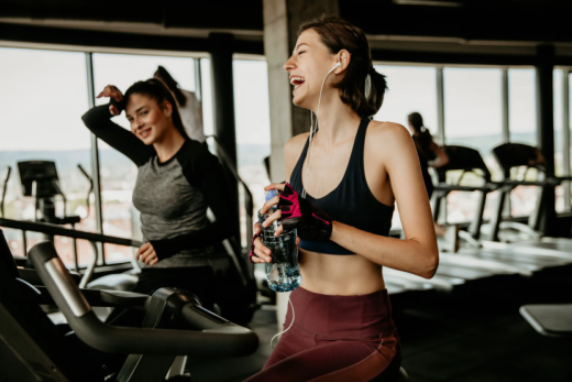
When morale is low or you feel emotionally drained, it is common to look for quick solutions, often outside ourselves. Yet the body itself holds a surprisingly transformative power. Movement, even gentle movement, can be an immediate and effective tool for changing our mood. In this article, we will explore how and why movement improves mood, analyzing the physiological and psychological mechanisms involved and providing practical guidance on how to integrate physical activity into daily life.
- Why movement influences emotions
- The immediate benefits of moving
- Which type of movement helps the most
- Moving every day for emotional wellbeing
Why movement influences emotions
The connection between body and mind
Body and mind are two sides of the same coin. Every physiological change affects the mental state and vice versa. The mind-body connection is now confirmed by numerous scientific studies showing how physical activity changes brain chemistry, influencing thoughts, emotions, and perceptions. When we move, we activate not only muscles and joints but also a complex communication network between the nervous system and the brain that has a direct impact on our mood.
This synergy is also reflected in the way we respond to stress. A walk, a light jog, or a yoga session can reduce perceived tension, improving the quality of our thoughts and promoting a calmer, clearer mental state. The body therefore becomes a vehicle for emotional transformation, an ally we can activate at any time to regain balance.
What endorphins are and how they work
Endorphins are neurotransmitters produced by the brain during physical activity. They act as natural painkillers, reducing the perception of pain while generating feelings of pleasure and wellbeing. Often described as “happiness hormones,” endorphins are one of the main reasons why movement improves mood almost immediately.
When we move, the brain responds by stimulating the production of these beneficial substances, which not only reduce stress but can even relieve symptoms of mild depression or anxiety. This process is natural, has no side effects, and can be activated even with short periods of activity. A simple walk is enough to begin experiencing the first positive emotional effects.
The immediate benefits of moving
How mood changes after physical activity
One of the most surprising characteristics of physical activity is its ability to improve mood almost instantly. Even after just a few minutes of movement, many people report greater mental clarity, a sense of lightness, and a reduced perception of everyday problems. This does not happen because of suggestion, but because of precise neurophysiological mechanisms triggered by the body in motion.
In addition, physical activity interrupts negative thought cycles. When we feel down, we are often trapped in a spiral of rumination. Moving forces the brain to shift focus, redirecting attention toward the present moment, breathing, and bodily sensations. This change in perspective is often enough to lighten the emotional burden.
Why it works immediately
The immediate benefits of movement depend on its direct action on the nervous system. When we move, levels of serotonin, dopamine, and norepinephrine increase — substances that regulate mood and motivation. At the same time, the production of cortisol, the stress hormone responsible for feelings of anxiety and pressure, decreases.
These effects do not require weeks of training; they are noticeable from the very first session. This is the strength of the “move to feel better now” approach: the ability to act on your emotional state in a practical, accessible, and natural way without waiting for long-term changes.
Which type of movement helps the most
Gentle vs intense activities
There is no single form of physical activity that is universally effective for emotional wellbeing. However, the choice between gentle and intense exercise can make a difference depending on your mental state. Gentle activities such as stretching, tai chi, or a slow walk promote relaxation and introspection. More intense activities such as running, dancing, or functional circuit training stimulate energy, responsiveness, and a sense of vitality.
The important thing is not to force yourself. The body knows what it needs, and listening to it allows you to choose the type of movement best suited to each moment, maximizing psychological and physical benefits.
Choosing based on your emotional state
When mood is unstable or mental fatigue is particularly strong, forcing yourself into overly intense activity can be counterproductive. In those moments, it is better to choose gentle forms of movement that do not require performance but simply allow you to reconnect with your body. On the other hand, during moments of apathy or low motivation, a more energetic activity can provide the boost needed to get moving again.
Recognizing and respecting your emotional state is an essential act of self-care. Movement should not feel like an obligation, but rather an opportunity to feel better immediately and without pressure.
Moving every day for emotional wellbeing
Strategies for integrating movement into your routine
Integrating physical activity into your daily routine does not require radical changes. You can start with small actions: taking a morning walk, using the stairs instead of the elevator, or dancing to your favorite song at home. Every opportunity to move is also an opportunity to change your inner state.
To make consistency easier, it is useful to associate movement with moments of the day that are already established. For example, exercising right after your morning coffee or at the end of the workday can become a stable and beneficial habit.
Small steps, big results
You do not need to run a marathon to improve your mood. Even a few minutes of mindful movement can produce significant effects. The secret lies in consistency. Moving every day, even for a short time, creates a positive cycle that strengthens your connection with yourself and builds a greater sense of control over your emotional wellbeing.
Start today. Take the first step, literally. Your body already knows what to do to help you feel better.
Comments (0)