
Trolley
You have no items in your shopping cart

 Budgets
 Dumbers
 Discs
Discs
 Benches
 Racks and Rigs
 Weights Holders
 Isotonic machines
 Calisthenics
 Cardio
 Kettlebells
 Flooring
 Gym Set
 Accessories
 Combat
 ARTI MARZIALI
 CONTAINER GYM
 Tug-Of-War
 Used Gym Equipment
 PILATES MACCHINARI
 GINNASTICA ARTISTICA
 CAMPI DA PADEL
 Prodotti in Pronta Consegna
 Informazioni
 IRONMAN
 Gift Card
- Donatif
- Training and exercises
- 0 I like it
- 2746 Views
- 0 comments
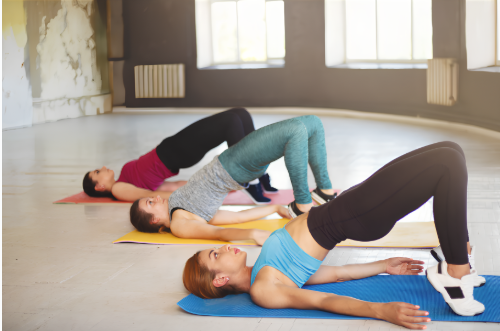
READING TIME: 7 MINUTES ➤➤
Static Stretching: When to Do It and How to Perform It Correctly
Static stretching is one of the simplest and most effective practices for improving mobility, reducing muscle tension, and supporting overall physical well-being. Despite its apparent simplicity, performing it at the right time and with the correct technique can make a significant difference. In this article, you will discover when it is best to practice it, how to integrate it into your daily routine, and which mistakes to avoid in order to achieve the greatest benefits, especially if you have limited flexibility or are just beginning your muscle stretching journey.
- What is static stretching
- Benefits of static stretching
- When to do static stretching
- How to perform static stretching correctly
- Evening static stretching routine
- Tips for integrating stretching into your routine
What Is Static Stretching
Definition and Differences Compared to Other Types of Stretching
Static stretching involves holding a muscle stretch position for an extended period of time, usually between 15 and 60 seconds. Unlike dynamic stretching, which includes controlled and repeated movements, static stretching is based on stillness and relaxation. This approach is particularly effective for improving muscle elasticity and gradually increasing range of motion in a safe and progressive way.
Why It Is Important for Muscle Health
Integrating static stretching into your routine helps prevent muscle tightness, joint stiffness, and muscular discomfort. It also contributes to maintaining healthy tendons and ligaments, making every daily or athletic movement more efficient. It is an accessible practice for everyone, including people with low flexibility or a sedentary lifestyle.
Benefits of Static Stretching
Muscle Lengthening and Improved Flexibility
One of the main advantages of static stretching is its ability to deeply lengthen muscle fibers. This leads to greater flexibility and improved body control. A flexible body also moves more efficiently and is less prone to sudden injuries caused by strains or abrupt movements.
Injury Prevention and Post-Workout Recovery
When performed correctly after physical activity, static stretching helps reduce accumulated muscle tension and supports muscular recovery. In addition, keeping muscles elastic and elongated lowers the risk of injuries, especially in activities that require speed or wide ranges of motion such as running, dancing, or contact sports.
When to Do Static Stretching
Before or After Training: What Science Says
Although static stretching was long considered part of the warm-up phase, recent studies suggest it is more effective when practiced after physical activity, when the muscles are already warm. Performing it before training may temporarily reduce muscle strength and reactivity. For this reason, it is generally recommended after exercise or at separate times during the day.
Stretching in Daily Life: The Best Moments
Besides after training, another ideal moment for static stretching is in the evening. At this time of day, the body has accumulated tension, and dedicating yourself to a short evening stretching routine can improve sleep quality and promote deep relaxation. Just a few minutes are enough to achieve long-lasting benefits.
How to Perform Static Stretching Correctly
Basic Rules for Safe Stretching
To perform static stretching safely, it is important to follow a few basic rules: never force the movement, hold the position without bouncing, and breathe deeply and steadily. The correct sensation is mild tension, never pain. If pain occurs, reduce the intensity or stop the stretch.
Recommended Duration, Breathing, and Intensity
Each position should be held for at least 30 seconds, up to a maximum of 60 depending on your level. Breathing plays a key role: inhale deeply at the beginning of the stretch and exhale slowly as you move into the position. Conscious breathing helps relax the muscles further and enhances the effectiveness of stretching.
Evening Static Stretching Routine
Why Stretching Before Bed Is Beneficial
Practicing static stretching before going to bed is an excellent habit for people who suffer from muscle tension or difficulty relaxing. It helps release the stress accumulated throughout the day and encourages a calm state that supports deep and restorative sleep. It is also a way to consistently and gently take care of your body.
Example of an Evening Routine to Improve Flexibility
An effective evening routine may include slow, long-held movements such as stretches for the hamstrings, calves, neck, and back. No equipment is required: just a mat and a quiet space. The goal is not performance, but rather to feel the body relaxing and releasing accumulated stiffness.
Tips for Integrating Stretching Into Your Routine
How to Stay Consistent Without Stress
To benefit from static stretching, consistency is the key. There is no need for hours of practice: 10–15 minutes a day are enough to notice improvements in flexibility and body awareness. Adding stretching after an evening walk or making it part of your bedtime ritual can help turn it into a healthy habit without pressure or unrealistic expectations.
Common Mistakes to Avoid in Static Stretching
One of the most common mistakes is pushing the stretch too far or holding incorrect positions. Holding your breath or losing concentration during practice can also compromise results. Remember: static stretching is not a challenge but a gentle practice that should respect your body’s limits. Only in this way can it become a true resource for long-term well-being.
Comments (0)