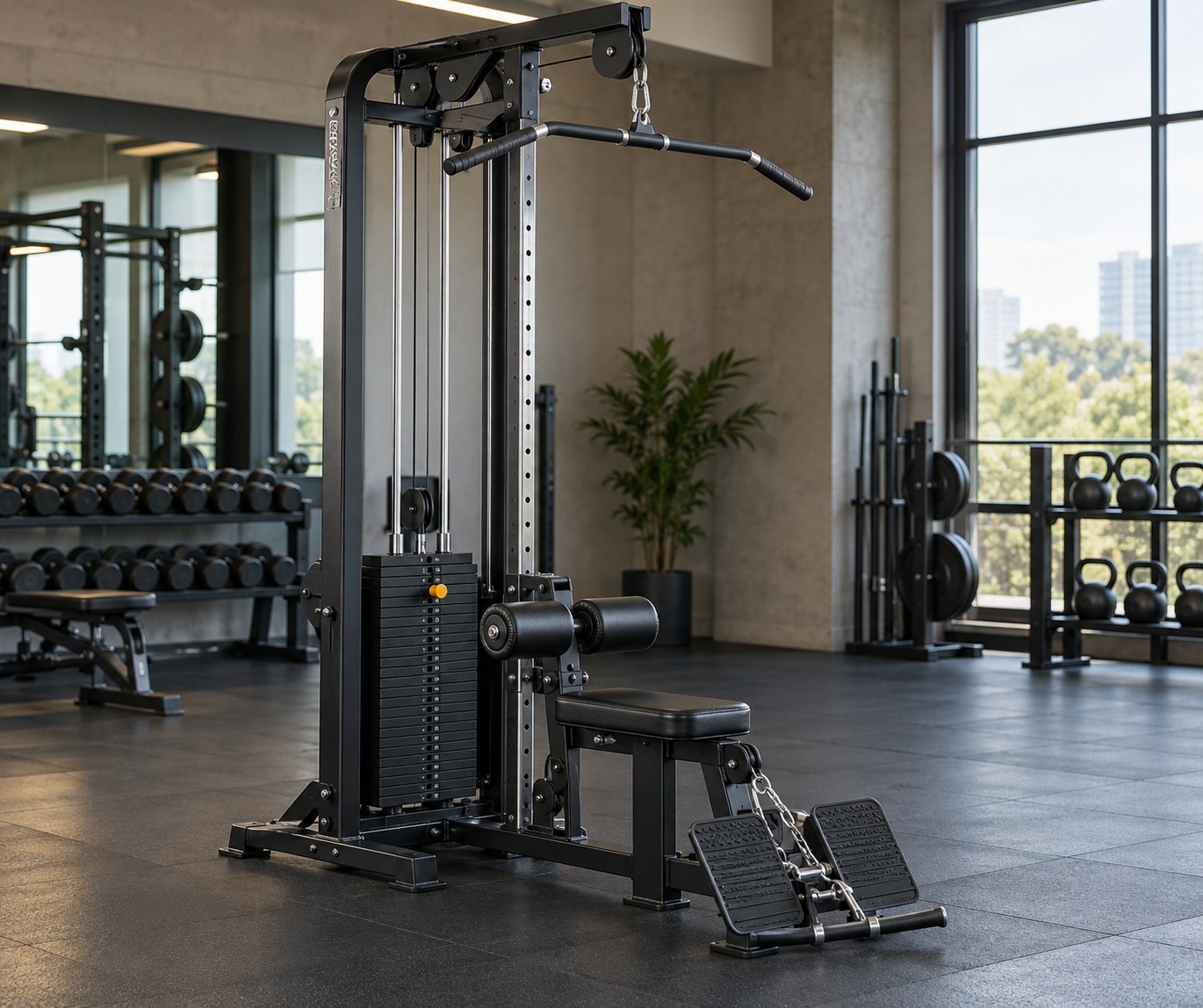
The evaluation of high pulley and low pulley: functional differences is of interest mainly to the gym manager or purchasing manager, because every choice changes the way a facility is used and managed. In the general equipment sector, it is not enough to identify an item from the catalog: it is necessary to interpret the conditions of use, site constraints, and responsibilities that will follow the purchase.
The topic also involves professional fitness equipment, but the essential point is to connect this requirement to a viable project. The people involved may have different priorities: those who use the space evaluate comfort and availability of stations, while management must check documentation and costs.
In the following pages, we use an application method, not a product ranking. Manufacturer documentation, on-site inspections, and instructions from competent professionals remain essential when information depends on a specific model or building.
Clarify project objectives
When assessing the facility's requirements, it is necessary to establish what is desired and why the objective is relevant to the gym manager or purchasing manager. A requirement expressed only in generic terms is difficult to compare, whereas a request linked to a concrete condition can be verified.
The analysis of essential criteria requires distinguishing stated conditions from actually observable results. Offers may contain theoretical performances that do not describe behavior in a real operating context.
A specific check on requirements to be documented helps avoid decisions driven solely by price or commercial presentation. It is useful to record the information source, person in charge, verification date, and required action if the requirement is not met.
Facility requirements
To organize the facility's requirements in a verifiable way, it is advisable to prepare a concise document with necessary information, source, and person in charge. If some conditions are not yet known, the document must indicate what needs to be verified before proceeding.
Essential criteria
The comparison of essential criteria should include at least one alternative solution, when technically possible, and an explanation of the differences. The presence of many functions does not automatically guarantee greater utility; what matters is their relationship to the intended service.
Describe users and operational context
When assessing usage profiles, it is necessary to establish what is desired and why the objective is relevant to the gym manager or purchasing manager. A requirement expressed only in generic terms is difficult to compare, whereas a request linked to a concrete condition can be verified.
The analysis of activity intensity requires distinguishing stated conditions from actually observable results. Offers may contain theoretical performances that do not describe behavior in a real operating context.
A specific check on environmental limits helps avoid decisions driven solely by price or commercial presentation. It is useful to record the information source, person in charge, verification date, and required action if the requirement is not met.
Usage profiles
To organize usage profiles in a verifiable way, it is advisable to prepare a concise document with necessary information, source, and person in charge. If some conditions are not yet known, the document must indicate what needs to be verified before proceeding.
Activity intensity
The comparison of activity intensity should include at least one alternative solution, when technically possible, and an explanation of the differences. The presence of many functions does not automatically guarantee greater utility; what matters is their relationship to the intended service.
Examine technical documentation
When assessing model specifications, it is necessary to establish what is desired and why the objective is relevant to the gym manager or purchasing manager. A requirement expressed only in generic terms is difficult to compare, whereas a request linked to a concrete condition can be verified.
The analysis of manufacturer statements requires distinguishing stated conditions from actually observable results. Offers may contain theoretical performances that do not describe behavior in a real operating context.
A specific check on relevant tests helps avoid decisions driven solely by price or commercial presentation. It is useful to record the information source, person in charge, verification date, and required action if the requirement is not met.
Model specifications
To organize model specifications in a verifiable way, it is advisable to prepare a concise document with necessary information, source, and person in charge. If some conditions are not yet known, the document must indicate what needs to be verified before proceeding.
Manufacturer statements
The comparison of manufacturer statements should include at least one alternative solution, when technically possible, and an explanation of the differences. The presence of many functions does not automatically guarantee greater utility; what matters is their relationship to the intended service.
Verify space and site conditions
When assessing station layout, it is necessary to establish what is desired and why the objective is relevant to the gym manager or purchasing manager. A requirement expressed only in generic terms is difficult to compare, whereas a request linked to a concrete condition can be verified.
The analysis of accesses and installation requires distinguishing stated conditions from actually observable results. Offers may contain theoretical performances that do not describe behavior in a real operating context.
A specific check on plant engineering preparations helps avoid decisions driven solely by price or commercial presentation. It is useful to record the information source, person in charge, verification date, and required action if the requirement is not met.
Station layout
To organize station layout in a verifiable way, it is advisable to prepare a concise document with necessary information, source, and person in charge. If some conditions are not yet known, the document must indicate what needs to be verified before proceeding.
Accesses and installation
The comparison of accesses and installation should include at least one alternative solution, when technically possible, and an explanation of the differences. The presence of many functions does not automatically guarantee greater utility; what matters is their relationship to the intended service.
Compare products and alternatives
When assessing necessary functions, it is necessary to establish what is desired and why the objective is relevant to the gym manager or purchasing manager. A requirement expressed only in generic terms is difficult to compare, whereas a request linked to a concrete condition can be verified.
The analysis of compatible solutions requires distinguishing stated conditions from actually observable results. Offers may contain theoretical performances that do not describe behavior in a real operating context. An example of a category to examine, without presuming it is suitable in every situation, is Donatif solutions.
A specific check on options to be postponed helps avoid decisions driven solely by price or commercial presentation. It is useful to record the information source, person in charge, verification date, and required action if the requirement is not met.
Necessary functions
To organize necessary functions in a verifiable way, it is advisable to prepare a concise document with necessary information, source, and person in charge. If some conditions are not yet known, the document must indicate what needs to be verified before proceeding.
Compatible solutions
The comparison of compatible solutions should include at least one alternative solution, when technically possible, and an explanation of the differences. The presence of many functions does not automatically guarantee greater utility; what matters is their relationship to the intended service.
Read the complete financial framework
When assessing quote items, it is necessary to establish what is desired and why the objective is relevant to the gym manager or purchasing manager. A requirement expressed only in generic terms is difficult to compare, whereas a request linked to a concrete condition can be verified.
The analysis of recurring costs requires distinguishing stated conditions from actually observable results. Offers may contain theoretical performances that do not describe behavior in a real operating context.
A specific check on verifiable unforeseen events helps avoid decisions driven solely by price or commercial presentation. It is useful to record the information source, person in charge, verification date, and required action if the requirement is not met.
Quote items
To organize quote items in a verifiable way, it is advisable to prepare a concise document with necessary information, source, and person in charge. If some conditions are not yet known, the document must indicate what needs to be verified before proceeding.
Recurring costs
The comparison of recurring costs should include at least one alternative solution, when technically possible, and an explanation of the differences. The presence of many functions does not automatically guarantee greater utility; what matters is their relationship to the intended service.
Manage assistance and maintenance
When assessing scheduled checks, it is necessary to establish what is desired and why the objective is relevant to the gym manager or purchasing manager. A requirement expressed only in generic terms is difficult to compare, whereas a request linked to a concrete condition can be verified.
The analysis of correct spare parts requires distinguishing stated conditions from actually observable results. Offers may contain theoretical performances that do not describe behavior in a real operating context.
A specific check on operational responsibilities helps avoid decisions driven solely by price or commercial presentation. It is useful to record the information source, person in charge, verification date, and required action if the requirement is not met.
Scheduled checks
To organize scheduled checks in a verifiable way, it is advisable to prepare a concise document with necessary information, source, and person in charge. If some conditions are not yet known, the document must indicate what needs to be verified before proceeding.
Correct spare parts
The comparison of correct spare parts should include at least one alternative solution, when technically possible, and an explanation of the differences. The presence of many functions does not automatically guarantee greater utility; what matters is their relationship to the intended service.
Criteria for approving the investment
When assessing documented decision, it is necessary to establish what is desired and why the objective is relevant to the gym manager or purchasing manager. A requirement expressed only in generic terms is difficult to compare, whereas a request linked to a concrete condition can be verified.
The analysis of residual risks requires distinguishing stated conditions from actually observable results. Offers may contain theoretical performances that do not describe behavior in a real operating context.
A specific check on investment monitoring helps avoid decisions driven solely by price or commercial presentation. It is useful to record the information source, person in charge, verification date, and required action if the requirement is not met.
Documented decision
To organize documented decision in a verifiable way, it is advisable to prepare a concise document with necessary information, source, and person in charge. If some conditions are not yet known, the document must indicate what needs to be verified before proceeding.
Residual risks
The comparison of residual risks should include at least one alternative solution, when technically possible, and an explanation of the differences. The presence of many functions does not automatically guarantee greater utility; what matters is their relationship to the intended service.
The investment dedicated to high pulley and low pulley: functional differences should be approved only after connecting requirements, configuration, and financial framework. Management can use the information gathered to choose a reasoned proposal and plan subsequent activities.


 Budgets
 Dumbers
 Discs
 Benches
 Racks and Rigs
 Weights Holders
 Isotonic machines
 Calisthenics
 Cardio
 Kettlebells
 Flooring
 Gym Set
 Accessories
 Combat
 ARTI MARZIALI
 CONTAINER GYM
 Tug-Of-War
 Used Gym Equipment
 PILATES MACCHINARI
 GINNASTICA ARTISTICA
 CAMPI DA PADEL
 Prodotti in Pronta Consegna
 Informazioni
 IRONMAN
 Gift Card