
Trolley
You have no items in your shopping cart

 Budgets
 Dumbers
 Discs
Discs
 Benches
 Racks and Rigs
 Weights Holders
 Isotonic machines
 Calisthenics
 Cardio
 Kettlebells
 Flooring
 Gym Set
 Accessories
 Combat
 ARTI MARZIALI
 CONTAINER GYM
 Tug-Of-War
 Used Gym Equipment
 PILATES MACCHINARI
 GINNASTICA ARTISTICA
 CAMPI DA PADEL
 Prodotti in Pronta Consegna
 Informazioni
 IRONMAN
 Gift Card
- Donatif
- Training and exercises
- 0 I like it
- 2917 Views
- 0 comments
READING TIME: 5 MINUTES ➤➤
Lumbar Hyperlordosis: How to Recognize It and Which Exercises to Do (Without Extremes)
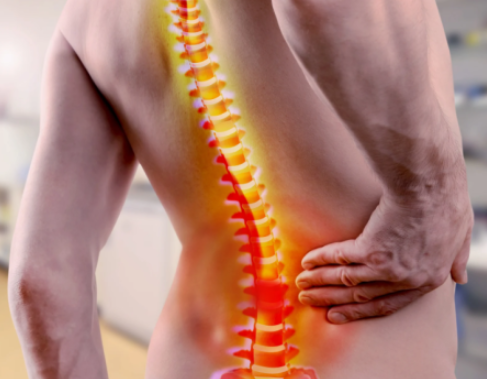
Lumbar hyperlordosis is not simply an aesthetic issue, nor can it be corrected by just “standing up straight” or through magical stretching sessions. Recognizing it, understanding it, and managing it intelligently requires postural education, mindful exercise, and patience. This article guides you step by step: from understanding the condition to implementing a targeted and sustainable exercise routine.
- What Is Lumbar Hyperlordosis?
- How to Recognize It: Visual and Postural Signs
- What Makes It Worse: Habits and Lifestyle Factors
- Glute and Core Strengthening Exercises
- Hip Flexor Stretching
- A Sustainable Routine and Greater Awareness
What Is Lumbar Hyperlordosis?
Lumbar hyperlordosis is a condition in which the natural curve of the lower spine becomes excessively pronounced. It is important to note that a certain degree of lordosis is completely normal: it helps absorb loads and allows proper trunk mobility. However, when this curve becomes too pronounced, it may contribute to muscle tension, fatigue, and in some cases lower back discomfort or pain.
It is not a “disease,” nor should it be approached dramatically. Hyperlordosis is often the body's adaptive response to specific movement patterns, sedentary lifestyles, or muscular imbalances. Addressing it mindfully means first understanding your body and learning to move more efficiently, without rigidity or extremes.
How to Recognize It: Visual and Postural Signs
One of the most obvious signs of hyperlordosis is a protruding abdomen, even in lean individuals. This occurs because the pelvis tends to tilt forward (anterior pelvic tilt), increasing the lumbar arch and pushing the abdomen outward. A prominent buttocks and increased tension in the lower back are also commonly observed.
When viewed from the side in a mirror, a pronounced curve in the lower back may be noticeable. However, it is important to remember that accurate postural assessment should be performed in motion, not just while standing still. Walking quality, muscular balance between the front and back of the body, and the ability to properly activate the core are all valuable indicators.
What Makes It Worse: Habits and Lifestyle Factors
The most common causes of lumbar hyperlordosis are rarely linked to a single bad habit, but rather to a combination of factors. Prolonged sedentary behavior, particularly sitting for many hours each day with little movement, contributes to tightening the hip flexors and weakening the gluteal and abdominal muscles.
Another often overlooked factor is excessive unbalanced physical activity. Practicing sports that emphasize posterior chain hypertrophy (such as weightlifting) without adequate mobility work and core control can further accentuate the lumbar curve. Footwear that is overly rigid or has high heels, as well as poor postural habits at work or during sleep, can also contribute to maintaining hyperlordosis.
Glute and Core Strengthening Exercises
An intelligent program for addressing hyperlordosis should begin with strengthening the glutes and core. The gluteal muscles, especially the gluteus maximus, are essential for stabilizing the pelvis and reducing excessive anterior tilt. Recommended exercises include glute bridges, hip thrusts, and squat variations performed with a focus on proper technique.
At the same time, it is essential to work on deep core activation: not just the visible abdominal muscles, but the transverse abdominis and pelvic floor. Exercises such as the dead bug, bird dog, and guided diaphragmatic breathing help improve the connection between breathing, posture, and lumbar stability while avoiding unnecessary pressure on the lower back.
Hip Flexor Stretching
One of the main contributors to hyperlordotic posture is chronic tension in the hip flexors, particularly the iliopsoas muscle. This muscle easily becomes shortened in sedentary individuals, pulling the pelvis forward and increasing the lumbar curve. Targeted stretching can be beneficial, but only when performed mindfully and without excessive force.
Psoas stretching can be performed in a static lunge position or using a bench, maintaining a neutral pelvic alignment and breathing deeply. The quadriceps (especially the rectus femoris) should also be mobilized, as it contributes to hip extension mechanics. Most importantly, avoid lumbar hyperextension during these exercises, otherwise the opposite effect may occur.
A Sustainable Routine and Greater Awareness
Addressing hyperlordosis does not mean “fixing” a posture, but rather creating a sustainable routine that promotes balance and well-being. Just 15–20 minutes per day, combining glute strengthening, core activation, and hip mobility exercises, can begin to produce meaningful changes. The goal is not perfect posture, but greater body awareness and a healthier relationship with movement.
Avoid drastic solutions, postural braces, or overly aggressive training programs. The best approach is gradual and realistic, integrating small daily habits: walking more, changing positions throughout the day, and breathing more effectively. Hyperlordosis is managed—not “cured”—through education, awareness, and consistency.
Comments (0)