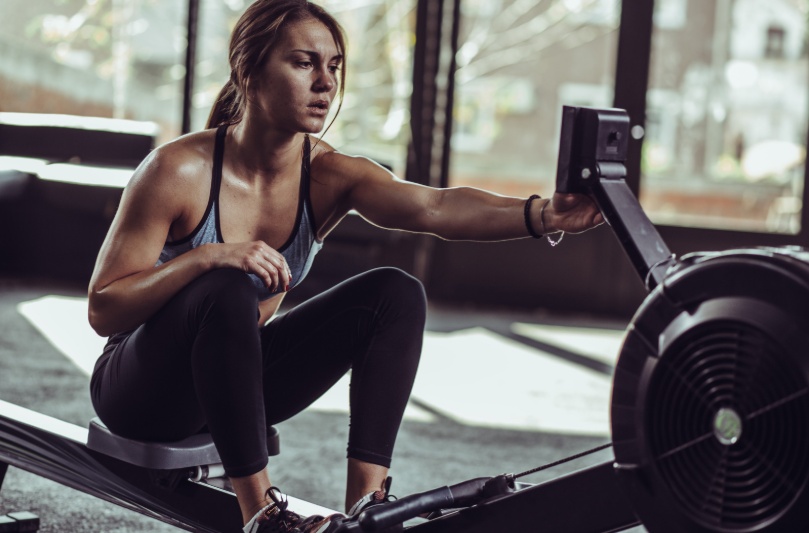
Starting to train with a rowing machine can seem more complicated than it really is. Many people buy this equipment because they want a full-body workout at home, but they often give up after the first few sessions for fear of using the wrong technique, training too hard or not seeing concrete results. A progressive program, on the other hand, lets you build a simple routine that is easier to maintain over time.
The advantage of the rowing machine is that it works most of the body with smooth, controlled movements, without requiring additional equipment or previous experience. With a gradual approach and realistic goals, even those who start completely from scratch can improve endurance, coordination and consistency within the first month. A structured plan also helps turn initial uncertainty into greater confidence during every workout.
Why the rowing machine is also suitable for those starting from zero
A full workout without additional equipment
One of the most appreciated aspects of a rowing machine beginner program is the ability to train several muscle groups at the same time using a single piece of equipment. During the movement, legs, back, abs and arms are engaged in a progressive and controlled way. This gives a sense of complete training without having to create complex circuits or use other tools.
For those who train at home, the rowing machine is a practical solution because it requires little floor space and allows you to organise short but regular sessions. Even people with very busy days find it easier to keep a steady routine when the training plan is clear and repeatable. The simplicity of the movement also helps reduce the confusion typical of the first workouts.
How to build a simple and sustainable routine
Many beginners tend to start with sessions that are too intense, thinking that more effort automatically means better results. In reality, in the first few weeks it is more useful to focus on consistency. Training three times a week with moderate duration helps create a stable habit without accumulating excessive fatigue.
A sustainable routine also makes progress easier to notice. When training feels manageable, the likelihood of sticking to the program over the long term increases. This gradual approach reduces the initial resistance to change and makes the journey more reassuring for those who fear they are not fit enough.
The most common mistakes when starting with the rowing machine
Posture and movement to check from the very first workout
Among the most frequent mistakes in the first rowing machine workouts is the tendency to pull mainly with the arms. In fact, the correct movement starts with the legs, continues with the trunk and ends with the arm pull. This sequence distributes the muscular work better and makes the stroke smoother.
Posture also plays an important role. Keeping the back stable and the movement controlled helps avoid unnecessary tension. A correct setup allows you to train with greater comfort and reduces the risk of abandoning the program because of aches or muscle stiffness.
How to avoid starting too fast
Many beginners try to increase speed and session length right away. This often leads to early fatigue and loss of motivation. In the first weeks it is better to work at a moderate pace, focusing on the regularity of the movement and on breathing.
A more controlled workout gradually builds cardiovascular endurance and coordination. Improvement becomes more evident when the body adapts progressively to the effort, without creating a negative perception of the activity.
Week 1: getting comfortable with the movement
Duration and structure of the first sessions
During the first week the main goal is to get familiar with the rowing machine. It is enough to schedule three sessions of about 15-20 minutes at a regular, easy-to-sustain pace. The priority is not speed, but the quality of the movement and the ability to complete the workout without excessive fatigue.
Short breaks can be useful for maintaining control of the technique. Even a few minutes of continuous training are a good starting point for those with no experience. What matters is building a positive feeling associated with the activity.
Goals for the first week
In the first few days it helps to focus on small, concrete goals, such as completing all the planned sessions or keeping a stable posture during the exercise. These achievements help build confidence and make the journey more motivating.
Many beginners notice an improvement in coordination and in their sense of the movement after just a few sessions. This kind of early progress is important because it increases the motivation to continue in the following weeks.
Week 2: increasing consistency and endurance
How to manage the pace without overexerting yourself
In the second week the program can include slightly longer sessions, around 20-25 minutes. The pace should remain controlled, avoiding sudden accelerations. Progressing too quickly risks compromising the consistency of your training.
Training at a moderate intensity helps improve cardiovascular endurance without creating a feeling of excessive fatigue. This approach makes the rowing machine a sustainable activity over the long term.
Signs of improvement to look for
After about two weeks, many people start to notice faster recovery between sessions. The movement also tends to become more natural and less stiff. These signs are useful indicators that the body is gradually adapting.
Noticing small improvements helps keep motivation high. Feeling more confident during training reduces the initial fear of not being able to use the rowing machine correctly.
Week 3: consolidating technique and coordination
Breathing and smoothness of movement
The third week is an important phase for consolidating your training rhythm. Breathing should become more regular and synchronised with the movement. Greater fluidity allows you to sustain effort for longer without feeling excessive tension.
At this stage many people start to feel more coordinated and less focused on each individual technical detail. The movement gradually becomes automatic, creating a sense of greater control during the workout.
How to stay motivated over time
Motivation tends to grow when the program remains simple and predictable. Following a clear structure helps avoid interruptions and makes it easier to fit the rowing machine into your weekly routine.
Using realistic micro-goals, such as completing all the sessions of the week or slightly increasing workout duration, helps maintain a constant sense of progress.
Week 4: building a stable routine
Increasing duration and control
In the final week of the program, sessions can reach 25-30 minutes while always keeping the intensity manageable. The main goal is not to push to the maximum, but to consolidate the habit and improve control of the movement.
Training with greater consistency makes the benefits of the rowing machine clearer, especially in terms of endurance and coordination. Personal confidence also tends to increase noticeably compared with the first days.
How to tell if the program is working
A good indicator of progress is the ability to complete sessions with less fatigue than at the beginning. Your posture also tends to feel more natural, and recovery between workouts becomes quicker.
The feeling of control is one of the most important results for a beginner. When training stops feeling complicated, the likelihood of keeping the routine over time increases.
Useful micro-goals to follow the program consistently
Weekly checklist for beginners
A simple checklist can help make the journey more organised. Marking off completed sessions, tracking workout duration and noting how you feel after each workout makes it easier to see your progress.
Micro-goals also have a motivational role. Meeting small weekly commitments builds personal confidence and reduces the risk of abandoning the program after the first difficulties.
Simple strategies to keep the journey on track
Keeping workouts short and scheduled at realistic times helps reduce excuses related to lack of time. Preparing the workout space in advance can also make training feel more immediate and natural.
Many beginners find it useful to link the rowing machine to an existing routine, such as training after work or in the morning before the working day. This association makes it easier to turn the activity into a stable habit.
How to continue after the first month of training
When to increase intensity and frequency
After four weeks, you can gradually increase workout duration or frequency, as long as the movement remains controlled. Progressing too quickly risks undermining the benefits gained in the initial phase.
A moderate progression lets you keep improving without creating unnecessary stress. The goal is to maintain a sustainable routine that adapts to your daily needs.
Useful tools to keep improving
Once the initial phase is consolidated, some people choose to follow more structured programs or add accessories for home training. Even a simple exercise mat can improve comfort and stability during sessions.
Continuing with an organised plan helps maintain consistency and motivation over the long term. After the first month, the rowing machine tends to be seen not as a complicated challenge, but as a practical and manageable way to train regularly at home.


 Budgets
 Dumbers
 Discs
 Benches
 Racks and Rigs
 Weights Holders
 Isotonic machines
 Calisthenics
 Cardio
 Kettlebells
 Flooring
 Gym Set
 Accessories
 Combat
 ARTI MARZIALI
 CONTAINER GYM
 Tug-Of-War
 Used Gym Equipment
 PILATES MACCHINARI
 GINNASTICA ARTISTICA
 CAMPI DA PADEL
 Prodotti in Pronta Consegna
 Informazioni
 IRONMAN
 Gift Card


Comments (0)