
Trolley
You have no items in your shopping cart

 Budgets
 Dumbers
 Discs
Discs
 Benches
 Racks and Rigs
 Weights Holders
 Isotonic machines
 Calisthenics
 Cardio
 Kettlebells
 Flooring
 Gym Set
 Accessories
 Combat
 ARTI MARZIALI
 CONTAINER GYM
 Tug-Of-War
 Used Gym Equipment
 PILATES MACCHINARI
 GINNASTICA ARTISTICA
 CAMPI DA PADEL
 Prodotti in Pronta Consegna
 Informazioni
 IRONMAN
 Gift Card
- Donatif
- Training and exercises
- 0 I like it
- 2204 Views
- 0 comments
- stress reduction, improved self-esteem, physical and mental well-being, gym training
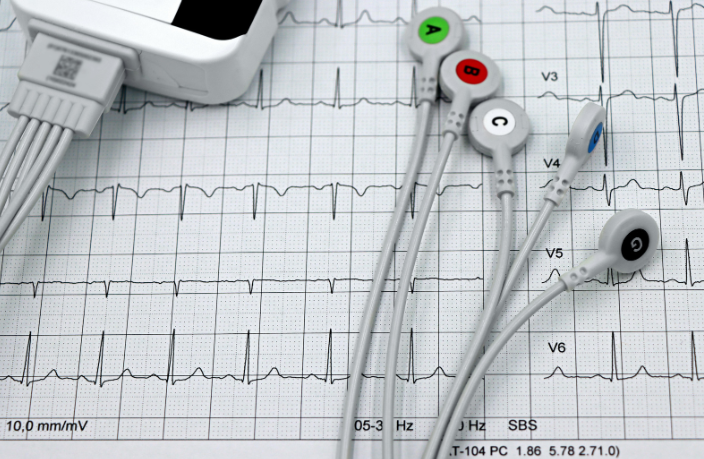
READING TIME: 5 MINUTES ➤➤
Cardiac Rehabilitation in the Gym: Load Protocols and Safe Equipment
Cardiac rehabilitation in the gym is now a fundamental step in the recovery process for post-heart attack patients or individuals with cardiovascular diseases. The integration of medical expertise and specialized equipment allows for the development of protected training programs aimed at improving heart function without exposing the patient to unnecessary risks. In this context, the gym is no longer just a space dedicated to fitness, but becomes a controlled environment designed to support gradual and safe recovery.
The adoption of structured protocols and the use of certified equipment make a highly personalized approach possible. This is particularly relevant for healthcare facilities, rehabilitation centers, and institutional operators that need to ensure high standards of safety and reliability. Understanding how to manage loads, intensity, and equipment is therefore essential to building effective cardio medical fitness programs.
- The role of cardiac rehabilitation
- Load protocols
- Treadmill and exercise bike
- Certified safety
- Training benefits
The Role of Cardiac Rehabilitation in Post-Heart Attack Recovery
Cardiac rehabilitation primarily aims to restore cardiovascular function after acute events such as a heart attack. Through tailored heart exercises, it is possible to improve aerobic capacity, reduce the risk of recurrence, and support a gradual return to daily activities. This approach goes beyond simple physical activity, including clinical monitoring, patient education, and risk factor management.
A key element is the progressive increase of load. Each exercise is calibrated based on the patient’s condition, avoiding overload and ensuring gradual physiological adaptation. This makes the gym a strategic environment where movement becomes a controlled and scientifically validated therapeutic tool.
Goals of Cardioprotective Training
Cardioprotective training aims to restore cardiovascular system efficiency through controlled stimuli. The main objectives include improving tissue oxygenation, reducing resting heart rate, and increasing exercise tolerance. All these factors contribute to greater patient autonomy in the long term.
Moreover, a well-structured program also supports psychological recovery, reducing the fear of movement often experienced after a cardiac event. The perception of safety plays a crucial role in maintaining adherence to the rehabilitation program.
The Importance of a Controlled and Progressive Approach
Load management is one of the most delicate aspects of cardiac rehabilitation. Increasing intensity too quickly can pose significant risks, while progressing too slowly may limit benefits. For this reason, it is essential to adopt standardized yet flexible protocols.
A progressive approach allows the body to adapt gradually to effort, improving cardiovascular response without excessive stress. This balance between stimulus and safety is at the core of any effective program.
Load Protocols: Managing Intensity and Progression
Cardiac load protocols define how exercise intensity is increased over time. These protocols are based on objective parameters, such as heart rate, and subjective ones, such as perceived exertion. Combining these elements ensures that training remains within safe limits.
In professional and medical settings, continuous monitoring is essential to prevent complications. The use of digital tools and integrated systems enables real-time data collection, improving intervention accuracy and ensuring constant activity control.
Key Monitoring Parameters
The most relevant parameters include heart rate, blood pressure, and oxygen saturation. These indicators provide crucial information about the patient’s condition during exercise, allowing immediate adjustments if necessary.
Monitoring is not only a safety measure but also a tool to optimize results. Accurate control helps identify the ideal training threshold, maximizing benefits without exceeding physiological limits.
Heart Rate and Perceived Exertion
Heart rate is the primary parameter for managing intensity. Working within predefined ranges helps maintain exercise in a safe and effective zone. At the same time, perceived exertion integrates objective data with the patient’s subjective experience.
This dual assessment provides a comprehensive understanding, reducing the risk of errors and improving the effectiveness of the rehabilitation program.
Treadmill and Exercise Bike: Key Tools in Rehabilitation
Among the most commonly used tools in cardiac rehabilitation in the gym are the treadmill and the exercise bike. These machines enable controlled aerobic exercise that can be easily adjusted to meet individual patient needs.
Their widespread use is due to their ability to provide safe, progressive, and highly customizable training. Additionally, their integration with monitoring systems makes them ideal for medical and rehabilitation settings.
Safe Use of the Treadmill
The treadmill allows simulation of walking or running in a controlled environment. The ability to adjust speed and incline makes it possible to fine-tune intensity, making it an extremely versatile tool.
In rehabilitation programs, it is often used for low-intensity exercises with gradual increases. This approach improves cardiovascular endurance without overloading the heart.
Bike and Exercise Bike for Cardiovascular Recovery
The exercise bike is a valid alternative to the treadmill, especially for patients with joint or mobility limitations. Cycling allows safe training, reducing joint impact while maintaining precise intensity control.
Thanks to its stable position and low risk of falling, the exercise bike is particularly suitable in the early stages of rehabilitation, when safety and continuity are the top priorities.
Certified Safety and Controlled Environments
Safety is a fundamental element in cardiac rehabilitation. The use of certified equipment that complies with medical standards ensures a high level of reliability, reducing the risk of accidents or malfunctions.
Brands like Donatif stand out for their focus on quality and certification, offering solutions specifically designed for healthcare and institutional settings. This represents added value for facilities that must operate under strict regulations.
Medical Standards and Certified Equipment
Equipment used in rehabilitation must meet precise technical requirements to ensure long-term safety and reliability. This includes high-quality materials, advanced control systems, and recognized certifications.
Adopting these standards is not just a technical choice, but a necessity to ensure patient safety and institutional credibility.
The Value of Risk Prevention
Risk prevention means designing every aspect of training with safety in mind. This includes equipment selection, protocol definition, and staff training.
A prevention-oriented approach minimizes critical issues, creating an environment where patients can train with confidence and continuity.
Benefits of Structured Cardiac Training
A well-designed protected training program offers numerous benefits, both physically and psychologically. Among these, improved cardiovascular capacity is one of the most evident, along with increased exercise tolerance.
In the long term, these results lead to a reduced risk of cardiovascular events and an overall improvement in health status.
Improvement of Functional Capacity
The patient’s functional capacity increases progressively thanks to controlled and consistent stimuli. This makes daily activities easier to manage and reduces the sensation of fatigue.
Restoring functionality is one of the main goals of rehabilitation, helping patients regain independence and quality of life.
Impact on Quality of Life
Beyond physical benefits, cardiac training has a significant impact on psychological well-being. The ability to move safely reduces anxiety and stress, improving self-perception and confidence.
This integrated approach makes rehabilitation not only a recovery path, but also an opportunity to achieve lasting improvements in overall quality of life.
Comments (0)