
Trolley
You have no items in your shopping cart

 Budgets
 Dumbers
 Discs
Discs
 Benches
 Racks and Rigs
 Weights Holders
 Isotonic machines
 Calisthenics
 Cardio
 Kettlebells
 Flooring
 Gym Set
 Accessories
 Combat
 ARTI MARZIALI
 CONTAINER GYM
 Tug-Of-War
 Used Gym Equipment
 PILATES MACCHINARI
 GINNASTICA ARTISTICA
 CAMPI DA PADEL
 Prodotti in Pronta Consegna
 Informazioni
 IRONMAN
 Gift Card
- Donatif
- Training and exercises
- 0 I like it
- 3519 Views
- 0 comments
READING TIME: 5 MINUTES ➤➤
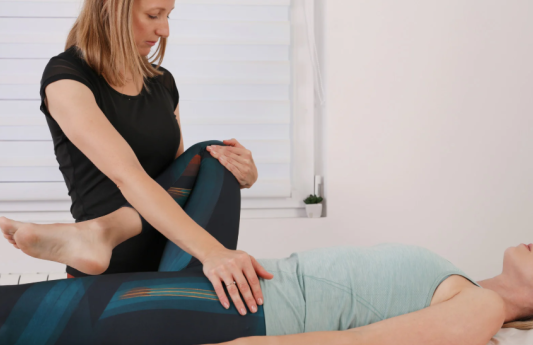
Pelvic Mobility for Women Over 50: How to Regain Fluidity and Well-Being
As the years go by, the body changes and evolves, especially for women who, after the age of 50, often begin to experience stiffness in the pelvic area and reduced hip mobility. These signs are frequently the result of years of sedentary habits, poor posture, and a lack of mindful movement. Yet it is never too late to regain that feeling of freedom in the body, which translates into greater independence, lightness, and overall well-being.
This article is designed to guide every woman through a gentle yet effective journey toward discovering accessible and sustainable strategies for improving pelvic mobility. It is a path that combines movement, awareness, and self-care without requiring excessive effort or overly technical approaches. Here, you will find practical advice, motivation, and understanding, because taking care of your body is the first step toward feeling better every day.
- Why hip mobility is essential after 50
- The pelvis as the center of well-being: tension, posture, and freedom of movement
- Gentle strategies to improve mobility naturally
- Long-term benefits: a freer back and a more body-aware self
Why Hip Mobility Is Essential After 50
Physiological Changes in the Female Body
After the age of 50, the female body undergoes a series of transformations primarily related to menopause and the natural aging process. Among these changes, there is often a gradual loss of muscular elasticity and reduced joint mobility, particularly in the pelvic and hip regions. This area, which is crucial for balance, walking, and posture, tends to become stiffer, negatively affecting the spine and legs as well.
This is not merely a physical change but also an emotional and functional adaptation. The body requires a new level of attention—gentler and more mindful. Keeping the hips mobile becomes essential not only for preventing pain and limitations but also for promoting a holistic sense of well-being that benefits the entire body.
The Impact of Stiffness and Sedentary Habits on Health
A predominantly sedentary lifestyle, often characterized by office work and limited physical activity, significantly contributes to the buildup of muscular tension in the pelvic area. This stiffness can lead to lower back pain, discomfort during movement, difficulty sitting for extended periods, and challenges when changing positions smoothly.
A lack of mobility is never an isolated issue; it affects posture, breathing, and even mood. Reactivating the hips means releasing a central point of bodily balance, creating a positive cycle of mobility, energy, and daily well-being. The first step is simply becoming aware of how important this part of the body is and recognizing that it deserves care and attention.
The Pelvis as the Center of Well-Being: Tension, Posture, and Freedom of Movement
Common Signs of a Stiff Pelvis
Many women over 50 experience a sensation of deep tightness or restriction in the pelvic area, yet often struggle to identify its source. Signs such as difficulty standing up from a chair, discomfort during long walks, or morning stiffness upon waking are common warning signals. Likewise, feeling as though the hips are “locked” or moving less fluidly than in the past can indicate reduced pelvic mobility.
These sensations are not signs of weakness but clear messages from the body asking for attention. The pelvis acts as a bridge between the upper and lower body, and when it cannot move freely, the entire system is affected. Recognizing these signals is the first step toward a more mindful approach to postural health.
How Sitting Posture Affects the Hips and Lower Back
Spending many hours seated, especially with poor posture, directly impacts pelvic mobility. When the body remains in a static position for long periods, the hip flexor muscles shorten, the lower back becomes stiff, and the ability to move freely and fully gradually diminishes. This phenomenon is even more pronounced in women over 50, particularly when physical activity levels are low.
A compressed and rigid posture compromises not only biomechanics but also body awareness. The body becomes accustomed to a state of immobility and slowly drifts away from its natural harmony. Working on pelvic mobility means reclaiming internal space and confidence in movement, allowing you to feel comfortable in your body again every day.
Gentle Strategies to Improve Mobility Naturally
Effective Yet Non-Invasive Hip Exercises
Improving hip mobility does not require intense sports or excessive physical effort. There are gentle, slow, and deep exercises that gradually awaken the pelvic area, release tension, and restore fluid movement. Circular pelvic motions, seated rocking movements, and gentle stretches performed while lying down are often enough. Just a few minutes each day can spark meaningful change.
The key is to listen to your body and move forward consistently. Women over 50 benefit most from respectful approaches that honor the rhythms of a mature body. The goal is not performance but lasting well-being. A few targeted exercises can bring significant benefits, improving not only the hips but also overall posture and comfort.
Daily Habits That Make a Difference Over Time
Incorporating simple habits into daily life can make an enormous difference. Sitting on the floor for a few minutes, walking barefoot to stimulate proprioception, or dedicating five minutes each morning to gentle pelvic movements all help keep the hip area active and prevent stiffness. Consistency is more important than intensity.
These habits require no special equipment, dedicated space, or advanced skills. They simply require the willingness to care for yourself with kindness, day after day. It is a sustainable, accessible, and meaningful approach that helps build a healthier relationship with your body over time. Real change begins with small actions repeated with patience and self-compassion.
Long-Term Benefits: A Freer Back and a More Body-Aware Self
How Movement Promotes Independence and Confidence
Regaining hip mobility means much more than simply moving better. It means rediscovering confidence in your abilities, enjoying daily movement once again, and experiencing a body that feels alive, present, and capable. Over time, the back often feels lighter, walking becomes steadier, and balance improves, restoring a sense of independence that directly enhances quality of life.
Every small improvement becomes a source of motivation and satisfaction. Walking longer distances, climbing stairs more easily, or waking up without stiffness are all signs that positive change is taking place. This transformation begins in the body but extends to mood, confidence, and the ability to approach daily life with greater energy.
From Body to Mind: The Connection Between Mobility and Self-Care
Taking care of hip mobility is also a profound act of self-care. It means listening to yourself, acknowledging the needs of a mature body, and responding with kindness, respect, and practical action. Every movement, every exercise, and every moment devoted to mindful motion becomes a form of attention that positively influences mental health and self-esteem.
Over time, this gentle yet consistent approach helps you feel more present, grounded, and at ease. The body becomes an ally rather than a limitation. Mobility is no longer a goal in itself but a natural consequence of a positive relationship with yourself. This is true well-being: feeling comfortable in your own body at every stage of life.
Comments (0)