
Trolley
You have no items in your shopping cart

 Budgets
 Dumbers
 Discs
Discs
 Benches
 Racks and Rigs
 Weights Holders
 Isotonic machines
 Calisthenics
 Cardio
 Kettlebells
 Flooring
 Gym Set
 Accessories
 Combat
 ARTI MARZIALI
 CONTAINER GYM
 Tug-Of-War
 Used Gym Equipment
 PILATES MACCHINARI
 GINNASTICA ARTISTICA
 CAMPI DA PADEL
 Prodotti in Pronta Consegna
 Informazioni
 IRONMAN
 Gift Card
- Donatif
- General information
- 0 I like it
- 13 Views
- 0 comments
- gym flooring, safety flooring, gym safety, shock-absorbing materials
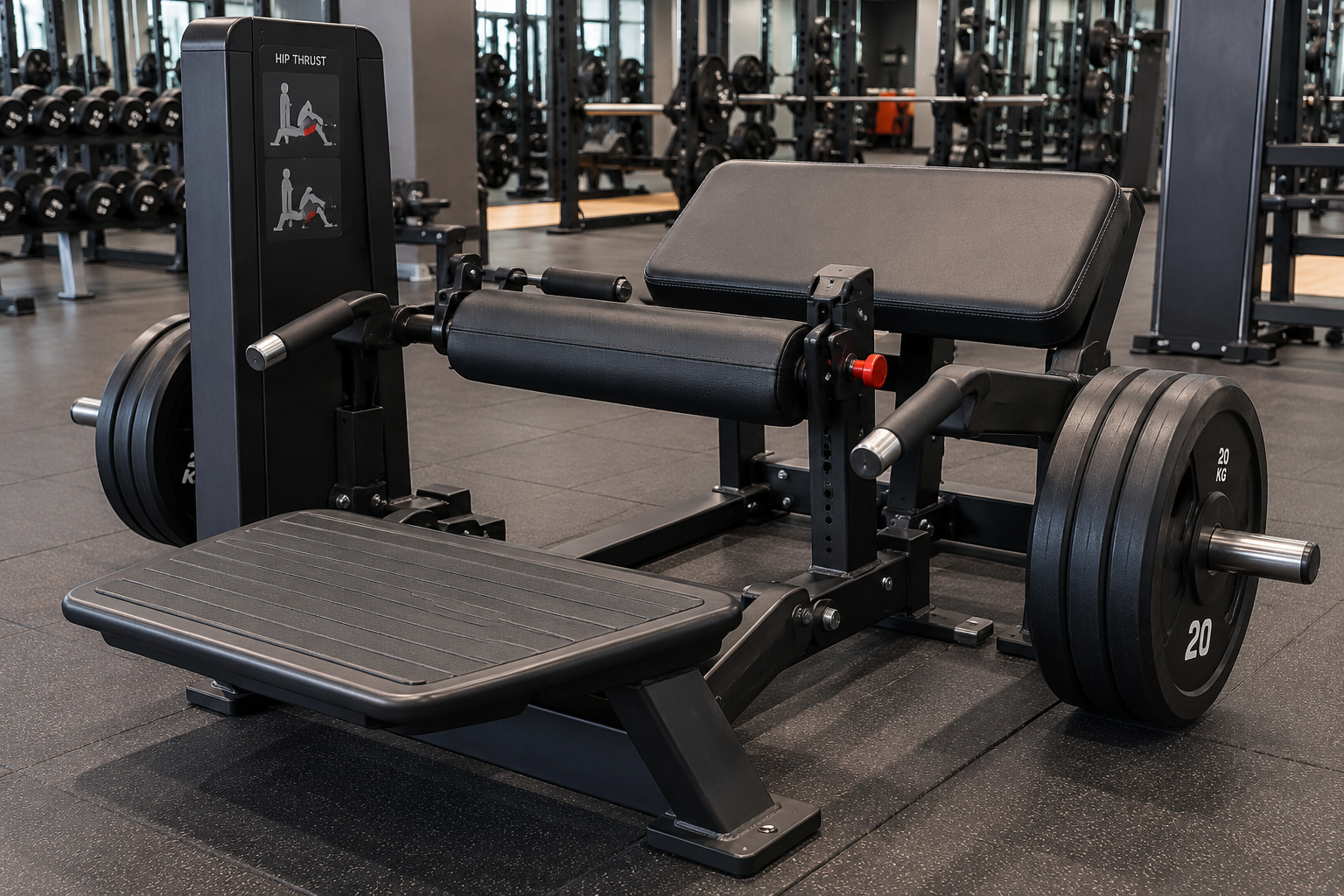
Maintenance of the hip thrust machine: guide to periodic checks
Maintenance of the hip thrust machine involves performing scheduled checks on the structure, adjustment systems, wear-prone components, and moving parts, always following the instructions provided by the manufacturer. A regular maintenance plan helps keep the machine efficient, promotes operational continuity, and detects any anomalies in a timely manner.
Whether it is a professional gym or a home gym, maintenance should not be limited to simple cleaning. Periodic inspection of mechanical components and contact surfaces preserves the quality of movement and allows necessary interventions to be scheduled before minor signs of wear evolve into more significant issues.
This guide brings together practical and verifiable criteria for organizing routine maintenance of a hip thrust machine, with a particular focus on checks, cleaning, errors to avoid, and equipment management over time.
- What checks to perform
- How to carry out routine maintenance
- Machine cleaning
- Components to monitor
- Errors to avoid
- Safety checks
- Summary table
- How to organize the maintenance plan
What checks to perform regularly?
Every maintenance program should include frequent visual checks and more thorough periodic verifications. The goal is to promptly identify loose components, signs of wear, or operational anomalies.
Elements to check include the frame, adjustment systems, fastening points, padding, moving parts, and all components subject to repeated stress during training.
Verifications must be carried out respecting the frequency indicated in the manufacturer's manual and adapted to the intensity of use of the machine.
What checks to perform before use?
Before each session, it is useful to check the stability of the machine, the correct tightening of adjustments, the absence of visible damage, and the cleanliness of contact surfaces.
Which verifications require more attention?
Periodic technical checks should concern the adjustment systems, moving parts, fastening elements, and all components indicated in the manufacturer's technical documentation.
How to properly carry out routine maintenance?
Routine maintenance includes inspection, cleaning, and verification of the proper functioning of the main mechanical components.
During checks, it is advisable to observe any abnormal noises, difficulties in adjustments, or variations in movement fluidity that may require further investigation.
Each intervention should be recorded to facilitate monitoring the condition of the machine over time.
Why record interventions?
A maintenance log allows you to schedule subsequent checks and document the operations performed on the equipment.
Why follow the manual?
The manufacturer's manual represents the main reference for check frequencies, operating procedures, and component replacement.
How to clean a hip thrust machine?
Cleaning helps preserve materials and keep the machine in good aesthetic and functional condition.
It is advisable to regularly remove dust, sweat, and residue from contact surfaces using products compatible with the materials indicated by the manufacturer.
Particular attention should be paid to areas affected by adjustments and points of greatest use.
What products to use?
It is advisable to use exclusively detergents compatible with the machine's surfaces, following the instructions provided in the technical documentation.
How often to clean?
Frequency depends on the number of users and the intensity of equipment use, but regular cleaning is recommended after training sessions.
Which components require more attention?
The components most subject to wear include adjustments, pivot points, padding, fastening systems, and the belt, when present.
In plate-loaded or selectorized models, it is also important to verify the correct functioning of the loading system provided by the machine's design.
For an overview of dedicated equipment, you can consult the isotonic machines category.
How to check the padding?
Check the integrity of the upholstery, the presence of cuts, deformations, or signs of deterioration that may require intervention.
How to verify adjustments?
Levers and locking systems must operate smoothly and securely maintain the set position during use.
What errors to avoid during maintenance?
One of the most common mistakes is postponing periodic checks until obvious problems appear.
It is also advisable to avoid modifications not foreseen by the manufacturer, the use of incompatible spare parts, and interventions that do not respect technical instructions.
Neglecting small signs of wear can increase the complexity of subsequent interventions.
Why use compatible spare parts?
Components compatible with the installed model facilitate maintaining the characteristics intended by the manufacturer.
Are noises an important sign?
Yes. Creaks, friction, or unusual movements always warrant a check before continuing to use the machine.
What checks improve safety?
Safety checks include checking frame stability, correct tightening of adjustable elements, and inspection of wear-prone parts.
The condition of the flooring and surrounding space should also be checked to ensure use in compliance with the manufacturer's instructions.
Any anomalies should be resolved before putting the machine back into service.
When to stop use?
In the presence of deformations, damaged components, loose fasteners, or obvious anomalies, it is advisable to suspend use until technical verification.
Do accessories need to be checked as well?
Yes. All accessories provided by the manufacturer must be inspected with the same attention reserved for the main machine.
Compact check table
| Element | Recommended check |
|---|---|
| Frame | Stability and integrity |
| Adjustments | Locking and fluidity |
| Belt | Wear and fasteners |
| Padding | Upholstery integrity |
| Moving components | Noises and abnormal play |
| Cleaning | Removal of dust and residue |
This table represents an operational reminder and must be integrated with the maintenance plan provided by the manufacturer.
The official indications contained in the manual remain the primary reference for frequency, intervention methods, and component replacement.
What documents to consult?
The installation, use, and maintenance manuals provided by the manufacturer represent the primary sources for properly planning all control activities.
How to organize maintenance?
Preparing a checklist and an intervention calendar facilitates machine management, especially in facilities with intensive use.
How to keep the machine efficient in the long term?
Proper maintenance of the hip thrust machine stems from a combination of regular checks, cleaning, logging of interventions, and compliance with the procedures indicated by the manufacturer. This approach makes it possible to preserve functionality, operational continuity, and the equipment's lifespan.
Before purchasing, it may also be useful to evaluate ease of maintenance, spare parts availability, component accessibility, and completeness of technical documentation. These aspects directly affect the management of the machine throughout its entire lifecycle.
FAQ
Does maintenance change between home and professional use? Check frequency may vary depending on the intensity of use and the instructions provided by the manufacturer.
Is it necessary to lubricate the machine? Only if provided for by the technical documentation of the installed model.
Is it necessary to record interventions? In professional facilities, it is a useful practice to monitor checks and maintenance over time.
What is the most reliable source for scheduling maintenance? The use and maintenance manual provided by the manufacturer represents the main reference for procedures, checks, and component replacement.
Comments (0)