
Trolley
You have no items in your shopping cart

 Budgets
 Dumbers
 Discs
Discs
 Benches
 Racks and Rigs
 Weights Holders
 Isotonic machines
 Calisthenics
 Cardio
 Kettlebells
 Flooring
 Gym Set
 Accessories
 Combat
 ARTI MARZIALI
 CONTAINER GYM
 Tug-Of-War
 Used Gym Equipment
 PILATES MACCHINARI
 GINNASTICA ARTISTICA
 CAMPI DA PADEL
 Prodotti in Pronta Consegna
 Informazioni
 IRONMAN
 Gift Card
- Donatif
- General information
- 0 I like it
- 2353 Views
- 0 comments
- stress reduction, improved self-esteem, physical and mental well-being, gym training
READING TIME: 5 MINUTES ➤➤
How to Keep a Home Gym or Micro Gym Organized, Safe, and Long-Lasting
Setting up a home gym or a micro gym is only the first step toward creating an effective training space. The real value emerges over time through consistent and mindful daily management. Without a clear routine, even the best equipment tends to deteriorate, while the space gradually loses order, safety, and functionality.
Proper routine maintenance is not an occasional task, but a series of small, consistent actions that preserve quality, durability, and usability. This approach helps avoid unexpected costs, improves the training experience, and maintains a high perceived standard of the space.
- Why daily maintenance determines space quality
- Routine maintenance of fitness equipment
- Space organization and functional management
- Home gym safety and risk prevention
- Maintenance routines: what to do weekly and monthly
- How to extend the lifespan of your micro gym over time
Why daily maintenance determines space quality
Many people consider the installation phase the most important moment, overlooking what happens afterward. In reality, it is daily management that determines the true quality of a home gym. Without consistent attention, even a well-designed space tends to lose efficiency and organization.
The false belief that “once it’s set up, the gym is ready” often leads to underestimating small signs of deterioration. Dust, misalignments, and invisible wear slowly accumulate, reducing overall safety and functionality over time.
The myth of the “once installed, it’s done” setup
A gym is not a static element, but a dynamic system that evolves with use. Thinking it doesn’t require ongoing attention exposes it to gradual deterioration, often difficult to reverse without more invasive interventions.
Adopting a continuous care approach from the beginning allows you to maintain a high standard over time, avoiding costly or complex corrective actions.
Impact of management over the long term
Structured management directly affects equipment lifespan and training quality. Clean, organized, and well-maintained spaces support consistency and enhance professional perception, especially in a PT studio.
On the contrary, disorder and neglect communicate a loss of control, negatively impacting both motivation and safety.
Routine maintenance of fitness equipment
Gym equipment maintenance is the first pillar in ensuring long-lasting performance and reliability. Every element, from barbells to guided machines, requires specific attention to prevent premature wear.
Simple but regular interventions help prevent structural issues and maintain a high perceived quality of the entire space.
Cleaning and material care
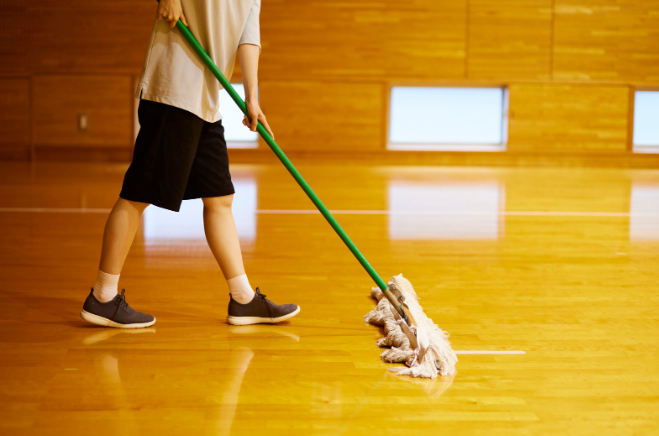
Cleaning is not just about aesthetics, but a key factor in preserving materials. Sweat, dust, and residues can compromise surfaces and mechanical components over time.
Using appropriate products and maintaining a consistent routine helps preserve equipment integrity, preventing corrosion and hidden damage.
Technical checks and wear prevention
Regularly checking screws, joints, and sliding systems is essential to detect early signs of wear. Even minor looseness can compromise stability and safety.
A preventive approach allows timely intervention, avoiding more serious damage and extending the useful life of your equipment.
Space organization and functional management
An organized environment is not only more pleasant, but also more efficient. Training space management directly impacts movement flow and safety during use.
Properly organizing equipment and accessories optimizes every session and reduces the risk of accidents or unnecessary time loss.
Smart equipment layout
Strategic placement of equipment helps create logical and functional workflows. Each element should have a defined position, aligned with how frequently it is used.
A well-planned layout reduces clutter and simplifies daily space management, improving the overall training experience.
Tools to maintain order and accessibility
Using weight racks, supports, and dedicated organization systems allows you to maintain order effortlessly. These tools prevent clutter and ensure that every piece of equipment is easily accessible.
Flooring choices also contribute to better space management, helping define areas and protect surfaces.
Home gym safety and risk prevention
Safety is essential in any training environment. A safe home gym is built through consistent checks and careful attention to detail.
Neglecting even seemingly minor aspects can increase the risk of accidents and reduce trust in the space.
Stability, surfaces, and critical points
Checking equipment stability and surface quality is crucial to ensure safe use. Proper flooring reduces impact and improves grip.
Identifying critical points allows you to address issues before they become real problems.
Common mistakes that affect safety and durability
Common errors include overloading equipment, neglecting maintenance, and allowing accessories to accumulate in a disorganized way. These behaviors accelerate wear and increase accident risks.
Adopting a mindful management approach helps avoid these issues and maintain high safety standards.
Maintenance routines: what to do weekly and monthly
Defining a gym maintenance routine is the most effective way to ensure consistency and control. Without a clear structure, even the best intentions tend to fade over time.
An organized system allows for regular interventions, preventing workload accumulation and keeping the space at a consistently high standard.
Essential weekly checklist
Weekly tasks should include thorough cleaning, equipment reorganization, and a visual inspection of overall conditions. These actions keep the space always ready for use.
Consistency is key: small, repeated actions over time produce tangible and lasting results.
Monthly checks to preserve quality and performance
Monthly checks allow for deeper inspection of technical aspects such as tightening, alignment, and surface conditions. This level of analysis helps prevent more complex issues.
Integrating these checks into your routine ensures a complete and professional management of your space.
How to extend the lifespan of your micro gym over time
The lifespan of a micro gym depends on maintaining high standards over time. It’s not just about maintenance, but about adopting a structured management approach.
Investing in operational consistency means preserving value, functionality, and safety.
Consistency and method as a competitive advantage
A well-maintained space conveys professionalism and attention to detail. This is especially important in a PT studio, where client perception plays a key role.
Consistency in maintenance becomes a true differentiating factor.
From intuitive management to a structured system
Moving from an improvised approach to an organized system gives you full control over your space. Routines, checklists, and periodic inspections become strategic tools.
This approach prevents gradual deterioration and ensures your gym remains efficient, safe, and always ready for use.
Comments (0)