
Trolley
You have no items in your shopping cart

 Budgets
 Dumbers
 Discs
Discs
 Benches
 Racks and Rigs
 Weights Holders
 Isotonic machines
 Calisthenics
 Cardio
 Kettlebells
 Flooring
 Gym Set
 Accessories
 Combat
 ARTI MARZIALI
 CONTAINER GYM
 Tug-Of-War
 Used Gym Equipment
 PILATES MACCHINARI
 GINNASTICA ARTISTICA
 CAMPI DA PADEL
 Prodotti in Pronta Consegna
 Informazioni
 IRONMAN
 Gift Card
- Donatif
- General information
- 0 I like it
- 526 Views
- 0 comments
- gym flooring, safety flooring, gym safety, shock-absorbing materials
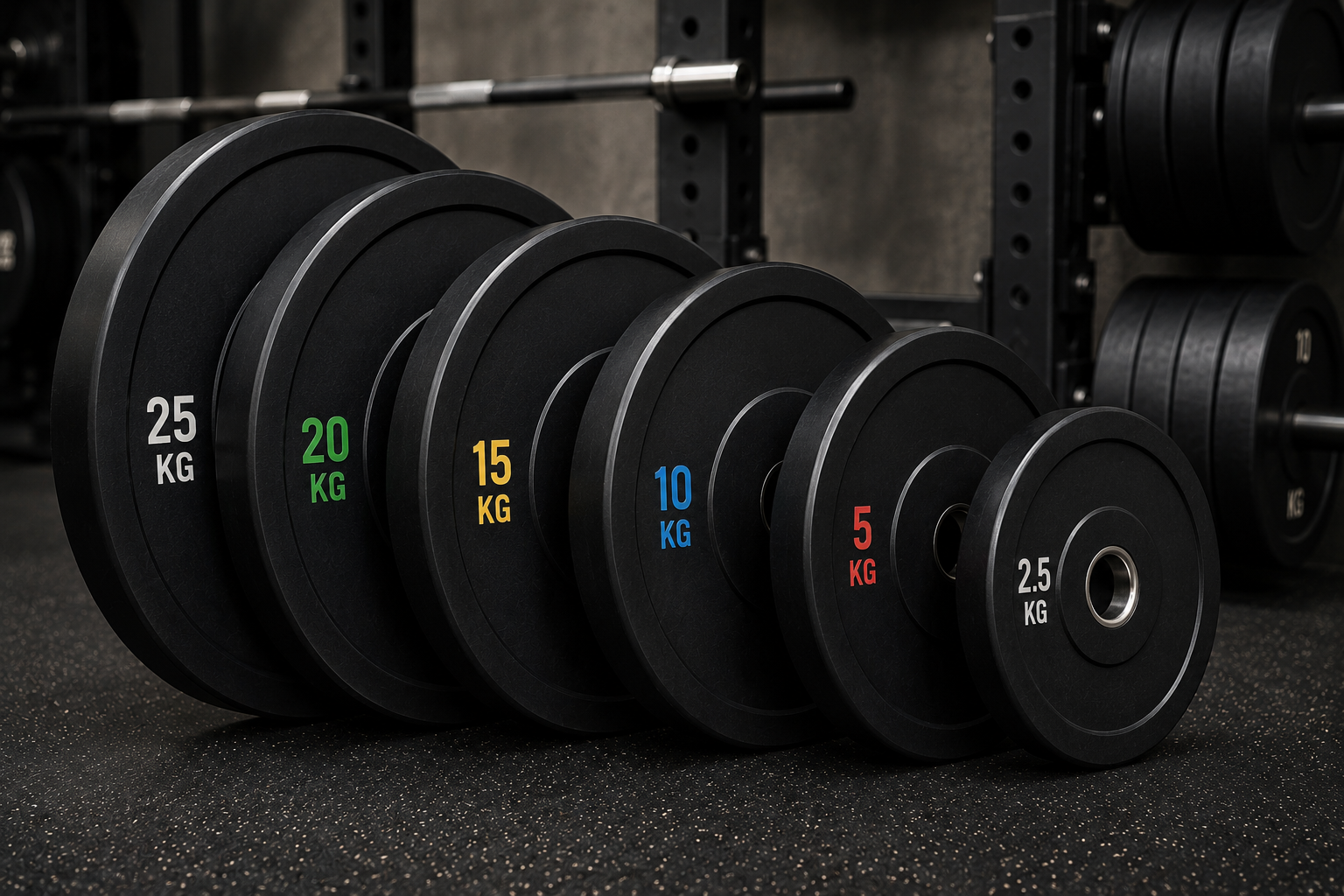
How to clean and sanitize rubber gym plates
Rubber plates represent one of the most important investments for any commercial gym or home gym. In addition to ensuring greater floor protection and better impact resistance compared to traditional cast iron plates, they require constant maintenance to preserve their aesthetics, functionality, and hygiene over time.
Dust, sweat, chalk, dirt residues, and bacteria accumulate daily on the surface of the plates, especially in high-traffic facilities. Neglecting cleaning can lead to bad odors, premature deterioration of the rubber coating, and a feeling of poor environment care by users.
Proper cleaning of rubber gym plates does not require complicated procedures or expensive products. It is enough to know which detergents to use, which substances to avoid, and how to set up periodic maintenance capable of preserving the quality of the equipment for many years.
- Why clean rubber plates regularly
- Which products to use
- Products to absolutely avoid
- Correct cleaning procedure
- How to eliminate bad rubber odors
- Scheduling periodic maintenance
- Common mistakes in plate care
- Protecting the value of the equipment
Why clean rubber plates regularly
Every workout leaves residues of sweat, skin oils, dust, and dirt from the floor on the surface of the plates. In a commercial gym, this process is continuous and involves dozens or hundreds of users every week.
Regular cleaning not only improves the aesthetic appearance of the equipment but also contributes to reducing the proliferation of bacteria and bad odors, making the environment more pleasant for all users.
Furthermore, regularly removing dirt prevents abrasive particles from remaining trapped in the rubber surface, slowing down its wear over time.
Hygiene and safety
Clean plates mean a better training experience and a reduction in the risk of contamination due to shared use of the equipment.
In professional facilities, cleaning also represents an important element of perceived quality.
Longer rubber life
Periodic removal of dirt and residues preserves elasticity and surface finish, preventing the rubber from progressively losing its original appearance.
Constant maintenance helps keep the material in optimal condition even after years of use.
Which products to use
For daily cleaning, it is generally sufficient to use warm water and a mild neutral detergent. This solution allows for the removal of surface dirt without altering the properties of the rubber.
It is advisable to use soft microfiber cloths that effectively remove residues and fingerprints without scratching the surface.
For sanitization, it is possible to use specific detergents compatible with rubberized surfaces, avoiding overly aggressive formulations.
Recommended detergents
pH-neutral detergents are the best solution for frequent cleaning, as they remove dirt and grease without compromising the material.
Products specific to sports equipment can also be a valid alternative.
Cloths and accessories
Soft sponges, microfiber cloths, and clean buckets allow you to work quickly without leaving residues.
For the grooves, you can use a soft-bristled brush.
Products to absolutely avoid
Not all detergents are compatible with the rubber coating. Aggressive solvents, acetone, gasoline, concentrated bleach, and highly alkaline products can irreparably damage the material.
The use of wire brushes or abrasive tools can also cause micro-scratches that favor the accumulation of dirt.
Before using a new product, it is always advisable to perform a test on a small, inconspicuous area.
Why avoid solvents
Solvents can alter the elasticity, color, and finish of the rubber, accelerating its aging.
In some cases, they can also leave residues that are difficult to remove.
Beware of abrasive materials
Steel wool and stiff brushes compromise the protective surface of the coating.
A damaged surface retains dirt and bacteria more easily.
Correct cleaning procedure
Cleaning should begin by removing dust and dry residues with a clean cloth. Subsequently, you can apply the diluted detergent using circular motions without exerting excessive pressure.
After washing, it is important to remove any detergent residue with a slightly damp cloth.
Complete drying prevents the formation of streaks and prevents moisture from remaining on the surfaces.
Daily cleaning
In a commercial gym, it is advisable to intervene at least once a day on the most used equipment.
In home gyms, a weekly cleaning may be sufficient depending on the frequency of training.
Deep cleaning
Periodically, it is useful to pay more attention to less accessible areas and the edges of the plates.
This operation keeps the appearance of the entire equipment uniform.
How to eliminate bad rubber odors
New plates can emit an intense rubber smell, while used ones can absorb sweat and moisture over time.
Good ventilation of the environment is the first step to reduce this phenomenon.
Regular cleaning also prevents bacteria and organic residues from amplifying unpleasant odors.
How to remove weight rubber smell
Letting the plates air out in a ventilated environment and cleaning them periodically with mild detergents helps to progressively reduce the typical smell of new rubber.
It is preferable to avoid very aggressive scented products that could react with the material.
Importance of ventilation
Constant air exchange helps to quickly eliminate residual odors and keeps the training environment more pleasant.
Controlled humidity also helps to preserve the quality of the rubber.
Scheduling periodic maintenance
Effective maintenance does not consist only of occasional cleaning. It is advisable to set up a regular program that includes visual inspection, cleaning, and checking the condition of the plates.
Intervening promptly on small signs of wear allows you to avoid more significant damage over time.
This organization is particularly useful in professional gyms with large quantities of equipment.
How often to intervene
The frequency depends on the intensity of use. Commercial facilities can schedule daily cleanings and monthly in-depth checks.
Home gyms can generally adopt longer intervals.
Checking the condition of the rubber
During cleaning, it is useful to check for any cuts, deformations, or signs of deterioration.
Constant checking increases the life of the equipment.
Common mistakes in plate care
Many use very aggressive household detergents thinking they will get better cleaning. In reality, this choice accelerates the deterioration of the surface.
Another mistake is to let large amounts of water dry naturally without removing detergent residues.
Even storing plates in very humid environments or exposed directly to sunlight can compromise the material in the long term.
Proper storage
Using dedicated racks keeps the plates away from floor moisture and facilitates cleaning.
Proper storage also reduces accidental impacts.
Small daily attentions
Drying your hands before training, removing excess chalk, and quickly cleaning up any spilled liquids helps keep the equipment in excellent condition.
These simple habits produce significant benefits over time.
Protecting the value of the equipment
Rubber plates represent an investment destined to last many years if accompanied by proper rubber weight maintenance. Regular cleaning, adequate products, and periodic checks allow you to preserve functionality and aesthetics, reducing the need for premature replacements.
Both in home gyms and commercial gyms, choosing quality equipment and maintaining it correctly increases the value of the investment and improves the user experience. To learn more about choosing the most suitable products, you can consult the range of gym plates and equipment available for every level of training.
Scheduled maintenance requires a few minutes but allows you to preserve the performance, safety, and aesthetic quality of the equipment over time, offering a more professional, hygienic, and pleasant training environment for everyone.
Comments (0)