
Trolley
You have no items in your shopping cart

 Budgets
 Dumbers
 Discs
Discs
 Benches
 Racks and Rigs
 Weights Holders
 Isotonic machines
 Calisthenics
 Cardio
 Kettlebells
 Flooring
 Gym Set
 Accessories
 Combat
 ARTI MARZIALI
 CONTAINER GYM
 Tug-Of-War
 Used Gym Equipment
 PILATES MACCHINARI
 GINNASTICA ARTISTICA
 CAMPI DA PADEL
 Prodotti in Pronta Consegna
 Informazioni
 IRONMAN
 Gift Card
- Donatif
- General information
- 0 I like it
- 736 Views
- 0 comments
- gym flooring, safety flooring, gym safety, shock-absorbing materials
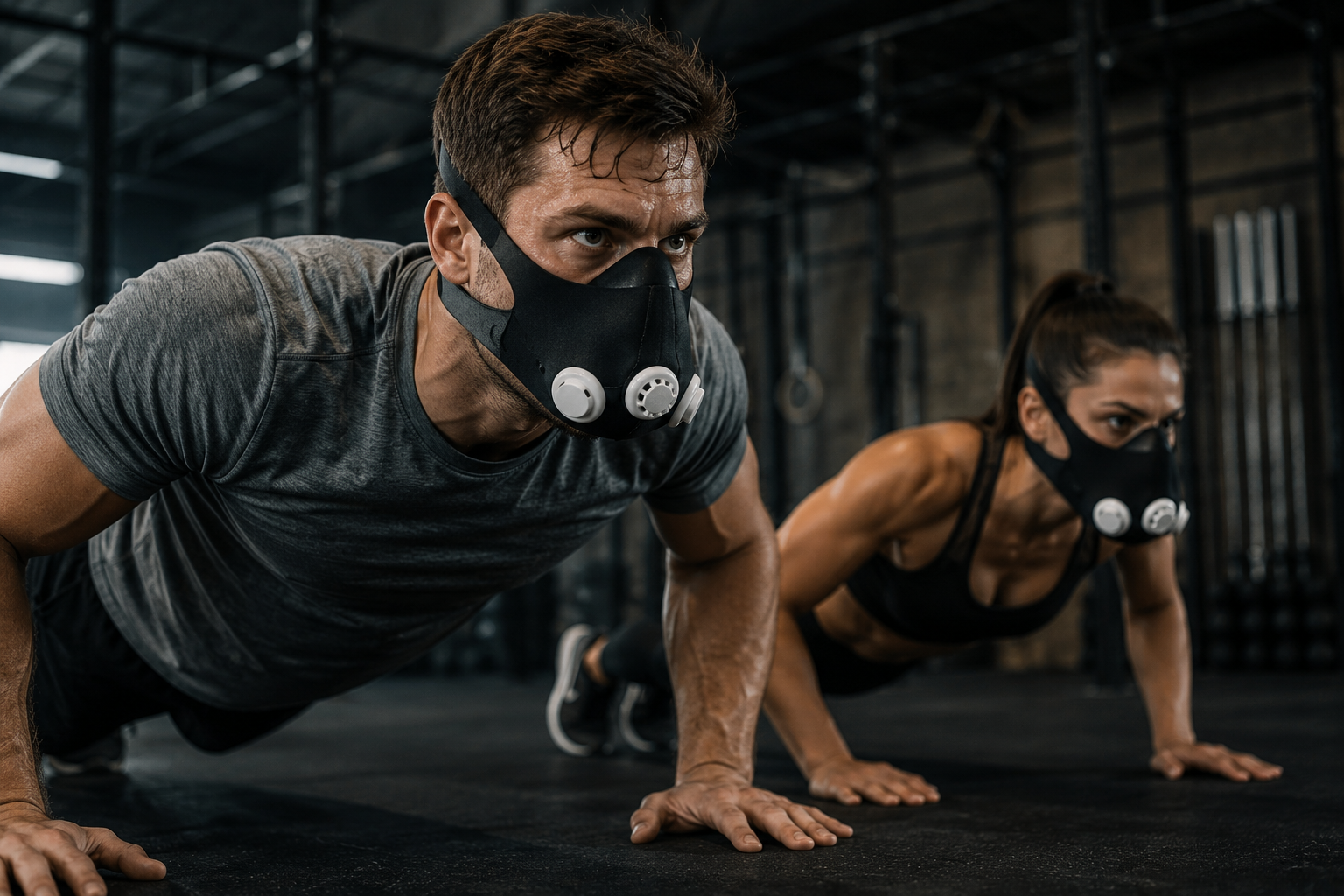
Hypoxia Masks and Filters: a guide to replacement and accessory hygiene
In a professional hypoxic training system, the quality of the experience depends not only on the generator and control technology but also on the proper management of the accessories that come into direct contact with the athlete. Masks, filters, and consumable components are, in fact, fundamental elements for ensuring safety, comfort, and performance continuity over time.
During daily use, these accessories are subjected to conditions that can progressively affect their efficiency. Humidity, residue, frequent use, and natural wear can alter material characteristics and reduce air flow quality. Proper maintenance allows you to prevent these problems and keep the system in the intended operating conditions.
Choosing reliable suppliers of masks and filters for hypoxia generators and managing scheduled replacements are therefore essential aspects for those using hypoxia in advanced home or professional settings. Maintenance is not just an operating cost, but an investment to protect the performance, hygiene, and durability of the entire system.
Importance of hypoxia accessory maintenance
The accessories used in hypoxic systems play a direct role in the quality of the training session. Even when the generator, sensors, and software are working correctly, a worn mask or a compromised filter can negatively affect the overall functioning of the system.
Periodic maintenance allows you to keep accessory characteristics constant and reduce the risk of unwanted variations. This aspect is particularly important when the athlete follows structured protocols where continuity and precision are fundamental elements.
For an advanced home gym or a professional fitness center, the management of consumable accessories must be organized with the same attention dedicated to the other technological components of the system.
Consumable accessories and performance
Masks and filters are not static components destined to last indefinitely. Their continuous use involves a natural process of wear that can affect comfort, hygiene, and performance.
Scheduled replacement allows you to prevent small deteriorations from turning into more significant problems during training.
Reduction of operational risk
Proper management of accessories reduces the risk of using components that are no longer suitable for the system's needs. This helps maintain greater safety and reliability over time.
Prevention represents a strategic element, especially in environments where the system is used frequently.
Hypoxic masks and hygiene management
The mask represents the point of direct contact between the hypoxic system and the athlete. For this reason, hygiene and material quality are fundamental aspects in the daily management of the equipment.
During a training session, the mask comes into contact with skin, sweat, and moisture produced by breathing. Without proper cleaning, these elements can accumulate and compromise the quality of the experience.
A regular sanitization procedure allows you to keep the component in optimal conditions and preserve comfort and safety.
Spare parts for hypoxic training masks
Hypoxic training mask spare parts are an important solution for keeping the system efficient without having to completely replace the equipment. Seals, straps, and other elements can be replaced when they reach a significant level of wear.
The availability of compatible spare parts allows you to extend the useful life of the mask and maintain high standards of use.
Materials and comfort over time
The mask's materials directly influence the athlete's sensation during prolonged sessions. Over time, elasticity and adaptability can decrease, making a periodic assessment of the component's status necessary.
A mask in good condition allows for a better fit and greater concentration during training.
Hypoxia filters and air quality
Filters are one of the most important elements for ensuring the quality of the air provided by the hypoxic system. Their function is to contribute to the cleaning of the flow and protect the internal components of the generator.
A compromised filter can increase resistance to air passage, reduce system efficiency, and require more work from the generator. This can translate into lower performance and higher consumption.
Proper filter management must therefore be considered an essential part of routine maintenance.
Hypoxia HEPA filters and system protection
Hypoxia HEPA filters are used in various configurations to contribute to the quality of the air treated by the system. Their effectiveness also depends on proper maintenance and replacement at the indicated times.
A filter kept in optimal conditions helps preserve the operation of the system.
Effects of a clogged filter
A clogged filter is an often underestimated problem. The reduction in air passage can affect system performance and increase the effort required by the main components.
This can lead to a decrease in performance and an increase in operating costs over time.
When to replace masks and filters
Establishing the correct time to replace accessories depends on several factors, including frequency of use, number of users, and operating conditions. There is no single interval valid for every configuration.
A professional approach involves monitoring the status of accessories and scheduling replacements before deterioration affects system quality.
Preventive maintenance is generally more effective than replacement after obvious problems appear.
Signs of mask wear
Changes in fit, loss of elasticity, difficulty in cleaning, or reduced comfort may indicate that the mask requires intervention or replacement.
Paying attention to these signs allows you to maintain a better experience during training.
Signs of a filter to be replaced
A decrease in air flow, abnormal system noises, or greater difficulty in reaching set parameters may indicate a problem related to the filter.
Acting quickly helps protect the rest of the system.
Cleaning and sanitization procedures
Cleaning accessories that come into contact with the athlete must be organized through simple but consistent procedures. Proper sanitization allows you to maintain high service quality and reduce the risk of residue accumulation.
Procedures must respect the materials used, avoiding products that could deteriorate delicate surfaces or components.
Orderly cleaning management also improves the perception of professionalism by users.
Hypoxia mask sanitization
Hypoxia mask sanitization must be performed regularly, especially when the accessory is used by multiple people or within a fitness center.
A correct procedure helps maintain comfort and safety during every session.
Maintenance organization
Creating a control routine allows you to avoid oversights and always have components available in optimal conditions.
Scheduled management also makes it easier to control costs in the long term.
Common maintenance errors
One of the most frequent errors is considering accessories as secondary elements compared to the generator or the main technology. In reality, the correct functioning of the system depends on the integration of every component.
Another common error is waiting for a problem to become evident before intervening. Preventive maintenance, on the other hand, allows you to maintain more constant performance.
Accessory management must therefore be an integral part of the hypoxic system's operational strategy.
Underestimating energy consumption
An inefficient filter can increase the work required by the system and affect consumption. This represents a hidden cost that can accumulate over time.
Correct replacement helps keep the system more efficient.
Using non-compatible components
Choosing accessories not designed for the system used can compromise performance and safety.
Relying on compatible components ensures greater reliability.
Investment in the durability of the hypoxic system
Proper management of masks and filters is a fundamental element for keeping a hypoxic system efficient over time. Consumable accessories may seem like simple components, but they directly influence air quality, comfort, and training continuity.
Scheduled maintenance allows you to avoid the hidden cost of a clogged filter or a deteriorated mask: lower performance, greater system wear, and a less effective experience for the athlete. Preventive replacement thus becomes a strategic choice to protect the technological investment.
For advanced home gyms, fitness centers, and professional facilities, choosing reliable accessories and managing them correctly means building a safer and higher-performing environment. The quality of the hypoxic system also stems from the care of the details that come into direct contact with the user.
Reducing risk with prevention
Preventive management of accessories allows you to maintain high standards and reduce the possibility of problems during sessions.
Prevention represents a concrete operational advantage for any user.
Quality and performance continuity
Properly maintained accessories help preserve the value of the entire hypoxic system.
Maintenance care thus becomes an integral part of training quality.
Comments (0)