
Trolley
You have no items in your shopping cart

 Budgets
 Dumbers
 Discs
Discs
 Benches
 Racks and Rigs
 Weights Holders
 Isotonic machines
 Calisthenics
 Cardio
 Kettlebells
 Flooring
 Gym Set
 Accessories
 Combat
 ARTI MARZIALI
 CONTAINER GYM
 Tug-Of-War
 Used Gym Equipment
 PILATES MACCHINARI
 GINNASTICA ARTISTICA
 CAMPI DA PADEL
 Prodotti in Pronta Consegna
 Informazioni
 IRONMAN
 Gift Card
- Donatif
- General information
- 0 I like it
- 441 Views
- 0 comments
- gym flooring, safety flooring, gym safety, shock-absorbing materials
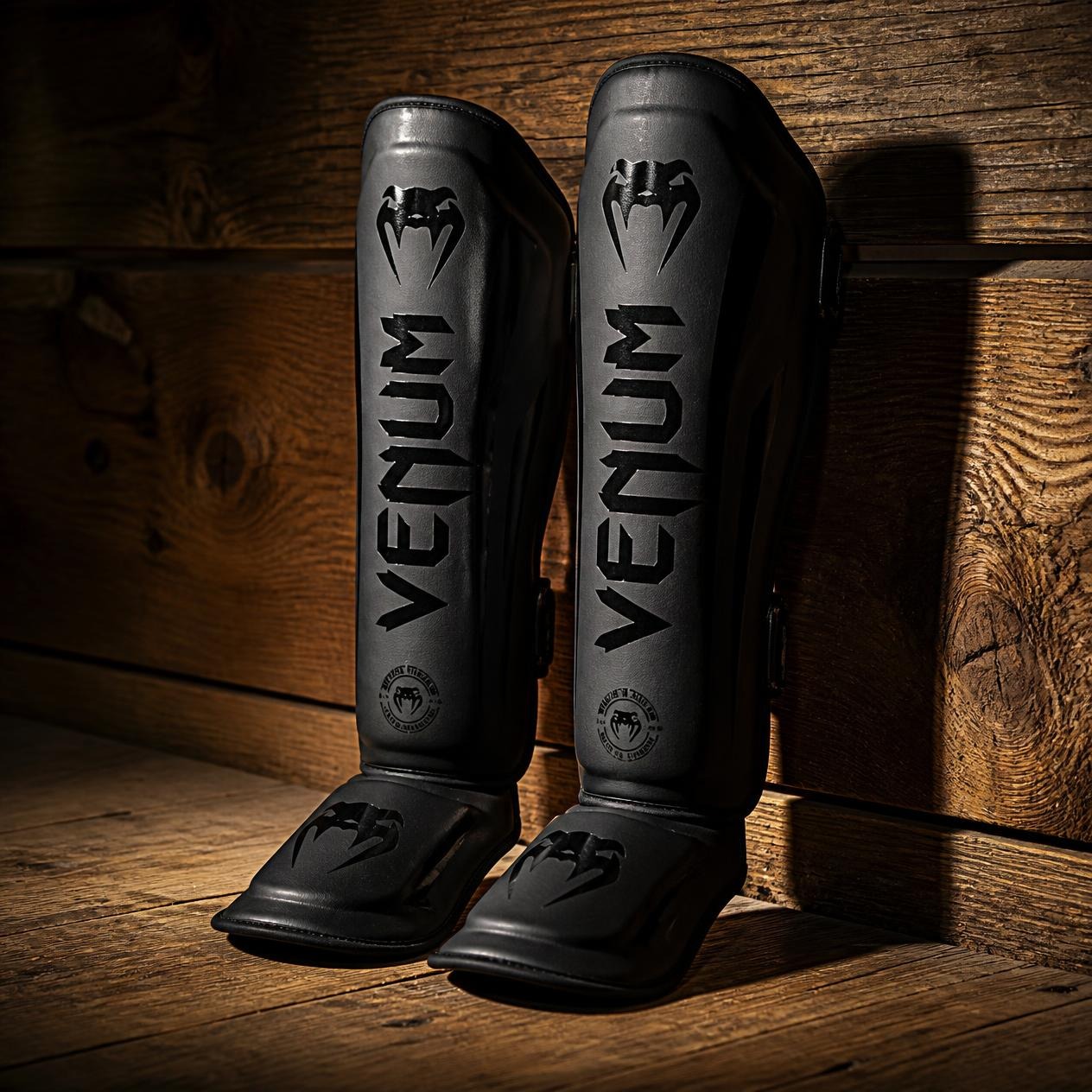
Muay Thai and Kickboxing Shin Guards: Rigid or Sock-Style?
Anyone who practices combat sports knows well that the shins are among the parts of the body most stressed during training and sparring. Repeated kicks to the heavy bag, pad work, partner exercises, and sparring continuously put the tibia, instep, and joints to the test. For this reason, choosing the right Muay Thai shin guards is not just a matter of comfort, but represents a fundamental investment to train consistently and reduce the risk of injury.
The market offers numerous types of protection, but the most common doubt concerns the choice between professional rigid models and sock-style shin guards. Both solutions have very specific advantages and limitations and are designed for different needs. The decision should always start from the type of training, the frequency with which one trains, and the athlete's technical level.
In this guide, we will analyze in detail the differences between the various types of shin guards, the most used materials, the characteristics of professional models, and the aspects to evaluate before purchasing, so as to identify the most suitable solution for your needs.
- Why shin guards are essential
- Professional rigid shin guards
- Sock-style shin guards
- Direct comparison between the two types
- Materials and build quality
- How to choose the right model
- Maintenance and durability
- Why choose quality protection
Why shin guards are essential
Every kick develops a considerable force that is transmitted directly along the tibia. Although the body gradually adapts to impacts over time, no athlete, not even a professional, forgoes protection during sparring. Shin guards allow you to train with greater intensity without continuously exposing your legs to unnecessary trauma.
The protection does not exclusively concern the person wearing the shin guards. During partner exercises, the partner also benefits from a more controlled impact, reducing the risk of bruises, abrasions, and contusions. This makes training more productive and safer for both athletes.
Adequate equipment also allows you to tackle consecutive sessions during the week while maintaining high training quality and limiting recovery times due to small, repeated traumas.
Training with consistency
Reducing the pain caused by impacts means being able to maintain a constant training frequency. Consistency is one of the most important factors for improving technique, power, and kick precision.
Greater safety in sparring
During controlled sparring, it is possible to gradually increase intensity while still maintaining a high level of protection for both yourself and your training partner.
Professional rigid shin guards
Rigid models represent the standard used in most Muay Thai and Kickboxing gyms. They are characterized by thick, high-density foam padding generally covered in natural leather or quality synthetic material.
The structure effectively protects the tibia and instep by distributing impacts over a wider surface. This allows you to face even intense sparring while maintaining an excellent level of safety.
Velcro closures and elastic straps under the foot ensure high stability, preventing shifting during faster movements.
Main advantages
Rigid shin guards absorb shocks better, offer superior protection, and are ideal for frequent training and controlled sparring. They are the preferred choice for those who practice consistently.
When to choose them
They are recommended for sparring, competitive preparation, intensive technical training, and daily gym use.
Sock-style shin guards
Sock-style shin guards are made mainly of stretch fabric with protective foam inserts on the most exposed areas. They are put on quickly and adhere perfectly to the leg.
Their main strength is their lightness. They offer great freedom of movement and are particularly appreciated during technical exercises, fitness circuits, and low-intensity training.
While ensuring decent protection against small accidental bumps, they cannot offer the same level of impact absorption as rigid models.
Why choose them
They are practical, lightweight, easy to carry, and allow for very natural mobility during exercises.
Their limitations
During heavy sparring, protection is lower compared to professional models, and the padding tends to compress more after repeated impacts.
Direct comparison between the two types
The choice depends primarily on the intended use. If the main goal is regular sparring, the rigid model is the most complete solution. It offers greater safety and generally superior durability.
Sock-style shin guards, on the other hand, are ideal for those who practice fitness disciplines inspired by combat sports or desire light protection during technical exercises without intense contact.
Many experienced athletes own both types, using them based on the type of scheduled session.
Comfort and mobility
Sock-style models win in terms of lightness, while rigid ones offer a feeling of greater safety during impacts.
Level of protection
For intense training and competitive preparation, rigid models remain the benchmark thanks to their ability to better absorb blows.
Materials and build quality
The quality of materials directly affects the durability of the protection. Professional models often use premium synthetic coatings or natural leather, both designed to withstand frequent use.
Multi-layer padding allows for better distribution of impact energy while maintaining shape and performance over time. Reinforced stitching is also an important element for the longevity of the product.
Among the best-known brands in the sector are Leone shin guards and Venum Elite shin guards, both appreciated for build quality, ergonomics, and reliability during intensive training.
Leather or synthetic
Natural leather offers great durability and comfort, while modern synthetic materials guarantee excellent performance with generally lower costs and simplified maintenance.
The importance of padding
Adequate thickness allows for effective impact absorption without compromising leg mobility.
How to choose the right model
Before purchasing, it is important to evaluate your technical level, the number of weekly training sessions, and the type of exercises performed. A beginner who attends classes twice a week will have different needs compared to a competitive athlete.
Fit is another fundamental element. A shin guard that shifts during movement loses effectiveness and can compromise safety. It is therefore essential to choose the correct size and verify that the closures keep the protection stable.
Those who practice multiple disciplines can also consider Chinese boxing sock-style shin guards, often used in Sanda and other combat sports characterized by rapid and continuous movements.
Choosing the size
The protection must completely cover the tibia and instep without limiting ankle flexion or creating annoying pressure points.
Evaluate your usage
The higher the intensity of the sparring, the greater the level of protection offered by the chosen shin guards should be.
Maintenance and durability
After every workout, it is good practice to let the shin guards dry completely in a ventilated environment. Prolonged humidity promotes the formation of bad odors and accelerates the deterioration of materials.
Rigid models can be cleaned with a damp cloth and mild detergents, while fabric ones require more frequent washing following the manufacturer's instructions.
Constant maintenance allows you to preserve padding, coatings, and closure systems, significantly increasing the useful life of the equipment.
Proper cleaning
Regularly removing sweat and dirt helps maintain high hygienic conditions and product performance.
How to store them
Storing the protection completely dry in a well-ventilated bag prevents the formation of mold and bad odors.
Why choose quality protection
Saving on protective equipment can translate into lower comfort, reduced durability, and, above all, less safety during training. Investing in well-designed protection means training with greater peace of mind and consistency, progressively improving your performance.
For those who wish to compare different professional models, it is possible to consult the selection of Muay Thai shin guards available for different levels of experience and types of training.
The choice between rigid and sock-style models does not depend on which is the best in absolute terms, but on the intended use. By evaluating training intensity, frequency of use, build quality, and desired level of protection, it will be possible to identify the most suitable equipment, train with greater safety, and preserve your legs in the long term.
Comments (0)