
Trolley
You have no items in your shopping cart

 Budgets
 Dumbers
 Discs
Discs
 Benches
 Racks and Rigs
 Weights Holders
 Isotonic machines
 Calisthenics
 Cardio
 Kettlebells
 Flooring
 Gym Set
 Accessories
 Combat
 ARTI MARZIALI
 CONTAINER GYM
 Tug-Of-War
 Used Gym Equipment
 PILATES MACCHINARI
 GINNASTICA ARTISTICA
 CAMPI DA PADEL
 Prodotti in Pronta Consegna
 Informazioni
 IRONMAN
 Gift Card
- Donatif
- General information
- 0 I like it
- 517 Views
- 0 comments
- gym flooring, safety flooring, gym safety, shock-absorbing materials
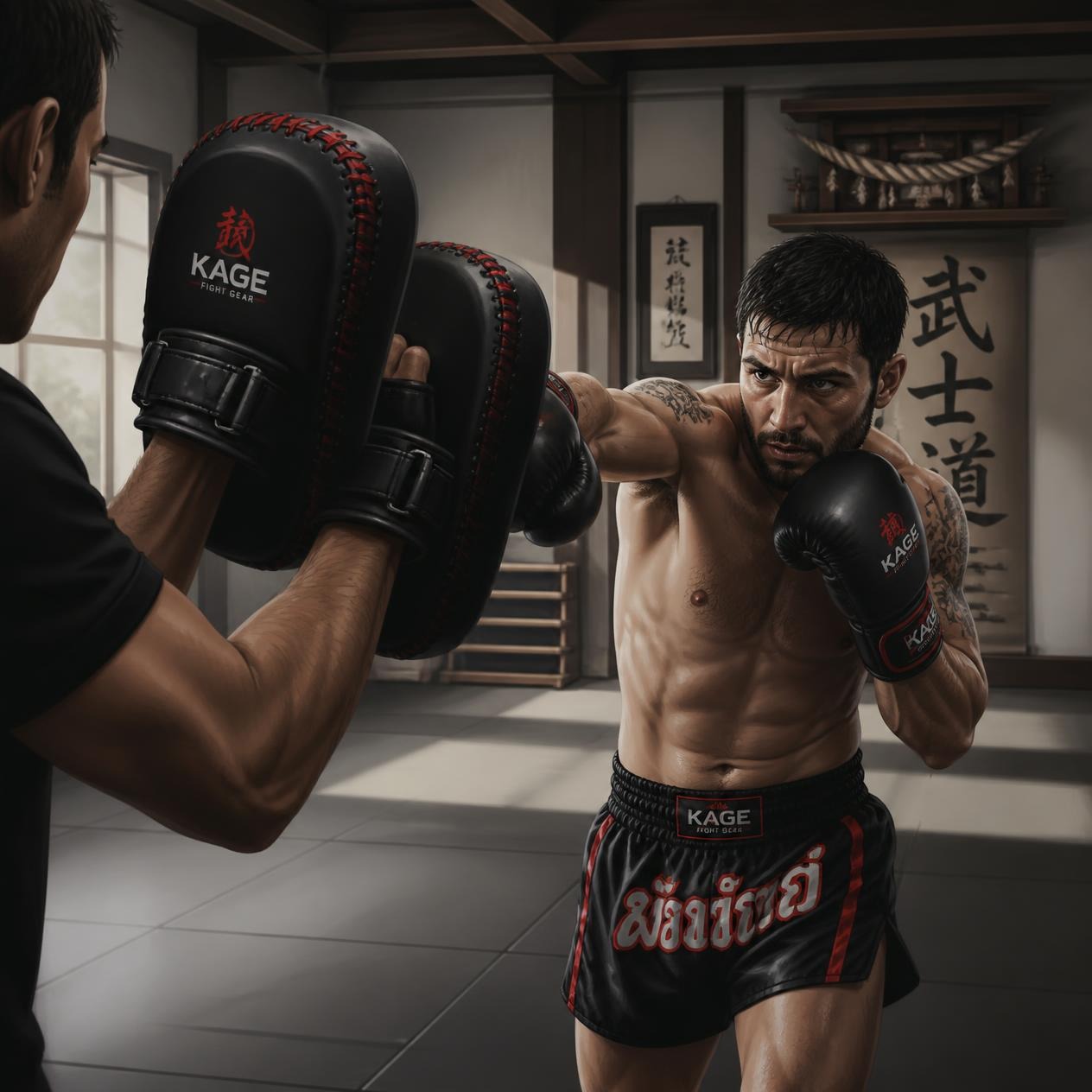
MMA Gloves vs. Focus Mitt Gloves: Differences and When to Use Them
Choosing the correct equipment is one of the most important aspects of improving performance in combat sports and reducing the risk of injury. Among the most frequent questions for those who practice Mixed Martial Arts, boxing, or functional training is the difference between MMA vs. boxing gloves, a distinction that involves not only the shape of the glove but also the type of training, the level of protection, and the technique one wishes to develop.
Many beginners tend to use the same pair of gloves for every exercise, moving from the heavy bag to focus mitts and sparring. In reality, every type of glove is created with a specific purpose and presents design features that directly affect comfort, strike precision, freedom of movement, and equipment durability.
In this guide, we analyze in detail the differences between MMA gloves, boxing gloves, and gloves dedicated to focus mitts and heavy bag work, explaining when to use each model, what advantages it offers, and how to choose the most suitable solution based on your training program.
- Why different gloves exist
- Features of MMA gloves
- Focus mitt and target gloves
- Bag gloves: when to use them
- Direct comparison between the different solutions
- How to choose the correct glove
- How to preserve gloves over time
- Why using the right glove improves training
Why different gloves exist
Every discipline imposes different technical requirements. Boxing requires high hand protection during repeated strikes, while MMA combines striking, clinching, and ground fighting, making greater finger freedom necessary.
For this reason, manufacturers develop gloves with different shapes, padding, and closure systems. The goal is to offer the best compromise between safety, mobility, and control based on the intended use.
Training with the correct glove means protecting your hands and wrists, improving the technical quality of the exercise, and preserving your equipment for longer.
Every glove is created for a purpose
Materials, thicknesses, and padding distribution are studied based on the type of impact the glove will have to absorb during training.
Safety first
Using an unsuitable glove increases product wear and can compromise comfort and joint protection.
The features of MMA gloves
4oz MMA gloves are designed to allow for gripping during grappling phases, while maintaining sufficient protection during striking. The fingers remain free to perform wrestling techniques, submissions, and transitions without limitations.
In models intended for competition, the padding is relatively reduced to ensure greater sensitivity. For sparring, versions with more generous padding are used instead, capable of offering better protection to both the athlete and the training partner.
The wrist closure plays a fundamental role because it stabilizes the joint during punches, controlled elbows, and work on focus mitts.
Freedom of movement
Open fingers allow you to perform grips, controls, and wrestling techniques that are impossible with a traditional boxing glove.
When to use them
MMA gloves are ideal for specific technical training, grappling, mixed striking, and preparation for discipline competitions.
Focus mitt and target gloves
Gloves intended for work with focus mitts are designed to offer speed, precision, and comfort during high-intensity technical sequences. Unlike traditional boxing gloves, they are generally more compact and allow for better perception of impact.
During focus mitt training, the main goal is to develop coordination, execution speed, timing, and strike precision. A lightweight glove facilitates rapid movements without excessively fatiguing the shoulders.
The quality of the padding remains essential to protect hands and wrists during thousands of repetitions distributed throughout the week.
Maximum precision
A compact structure improves punch control and makes it easier to perform complex technical combinations.
Dynamic training
The low weight promotes speed of execution and allows you to work intensely even for many consecutive rounds.
Bag gloves: when to use them
Bag gloves are designed to handle repeated impacts against heavy and relatively rigid surfaces. They feature padding designed to effectively distribute the energy of the strike and protect the knuckles during prolonged training.
Many models use high-density foams and coatings that are particularly resistant to abrasion, fundamental features when working frequently with heavy bags, Thai pads, and focus mitts.
Using MMA gloves on a heavy bag for long periods can accelerate their wear and increase stress on the hands, which is why it is advisable to dedicate each type of glove to the use for which it was designed.
Shock absorption
Dedicated padding reduces the stress transmitted to the joints during the most intense training sessions.
Greater resistance
Reinforced materials and sturdy stitching allow you to handle thousands of strikes while maintaining shape and functionality.
Direct comparison between the different solutions
Boxing gloves offer the highest level of protection for hands and wrists during traditional striking and sparring. MMA gloves, on the other hand, prioritize mobility and the ability to perform wrestling techniques.
Gloves for focus mitts and bag gloves occupy an intermediate position: they are designed for specific exercises and allow you to improve technical quality and precision without necessarily using the gloves employed in sparring.
The best choice therefore depends on the type of discipline practiced, the frequency of training, and the technical goals you wish to achieve.
Level of protection
The greater the padding, the better the ability to absorb impacts, but the less freedom of movement for the fingers.
Every glove has its function
Using the correct product improves comfort, safety, and equipment durability.
How to choose the correct glove
Before purchasing, it is important to evaluate the type of training performed most frequently. Those who practice MMA primarily will have different needs compared to an athlete dedicated exclusively to boxing.
It is also necessary to consider the quality of materials, closure system, hand ergonomics, and level of padding, prioritizing products made by companies specialized in combat sports.
To compare different solutions dedicated to different disciplines and levels, you can consult the selection of MMA vs. boxing gloves available in the Donatif catalog.
Beginners
Beginners should follow their instructor's directions by choosing a glove compatible with the gym's training program.
Advanced athletes
Those who train several times a week benefit from using multiple pairs of gloves dedicated to different types of exercise.
How to preserve gloves over time
Proper maintenance significantly extends the useful life of the equipment. After each training session, it is advisable to let the gloves dry completely in a well-ventilated environment.
Regular cleaning of the outer surfaces and the use of hand wraps help limit moisture accumulation and preserve the internal padding.
Storing gloves intended for the bag separately from those used for sparring also allows you to better distribute wear and maintain high performance over time.
Daily hygiene
Constant maintenance improves comfort, durability, and the overall quality of the training experience.
Correct storage
Avoiding humid environments and closed bags for long periods helps preserve materials and stitching.
Why using the right glove improves training
Every type of glove is the result of precise design choices aimed at satisfying specific technical needs. Using the correct model means obtaining better hand protection, greater precision in movements, and superior equipment durability.
Separating the gloves intended for sparring, the bag, and focus mitts allows you to train more effectively, preserving the characteristics of each product and improving the overall quality of athletic preparation.
Investing in adequate equipment allows you to approach every session with greater safety, reduce the risk of injury, and develop technique with consistency, regardless of your experience level or the discipline practiced.
Comments (0)