
Trolley
You have no items in your shopping cart

 Budgets
 Dumbers
 Discs
Discs
 Benches
 Racks and Rigs
 Weights Holders
 Isotonic machines
 Calisthenics
 Cardio
 Kettlebells
 Flooring
 Gym Set
 Accessories
 Combat
 ARTI MARZIALI
 CONTAINER GYM
 Tug-Of-War
 Used Gym Equipment
 PILATES MACCHINARI
 GINNASTICA ARTISTICA
 CAMPI DA PADEL
 Prodotti in Pronta Consegna
 Informazioni
 IRONMAN
 Gift Card
- Donatif
- General information
- 0 I like it
- 584 Views
- 0 comments
- gym flooring, safety flooring, gym safety, shock-absorbing materials
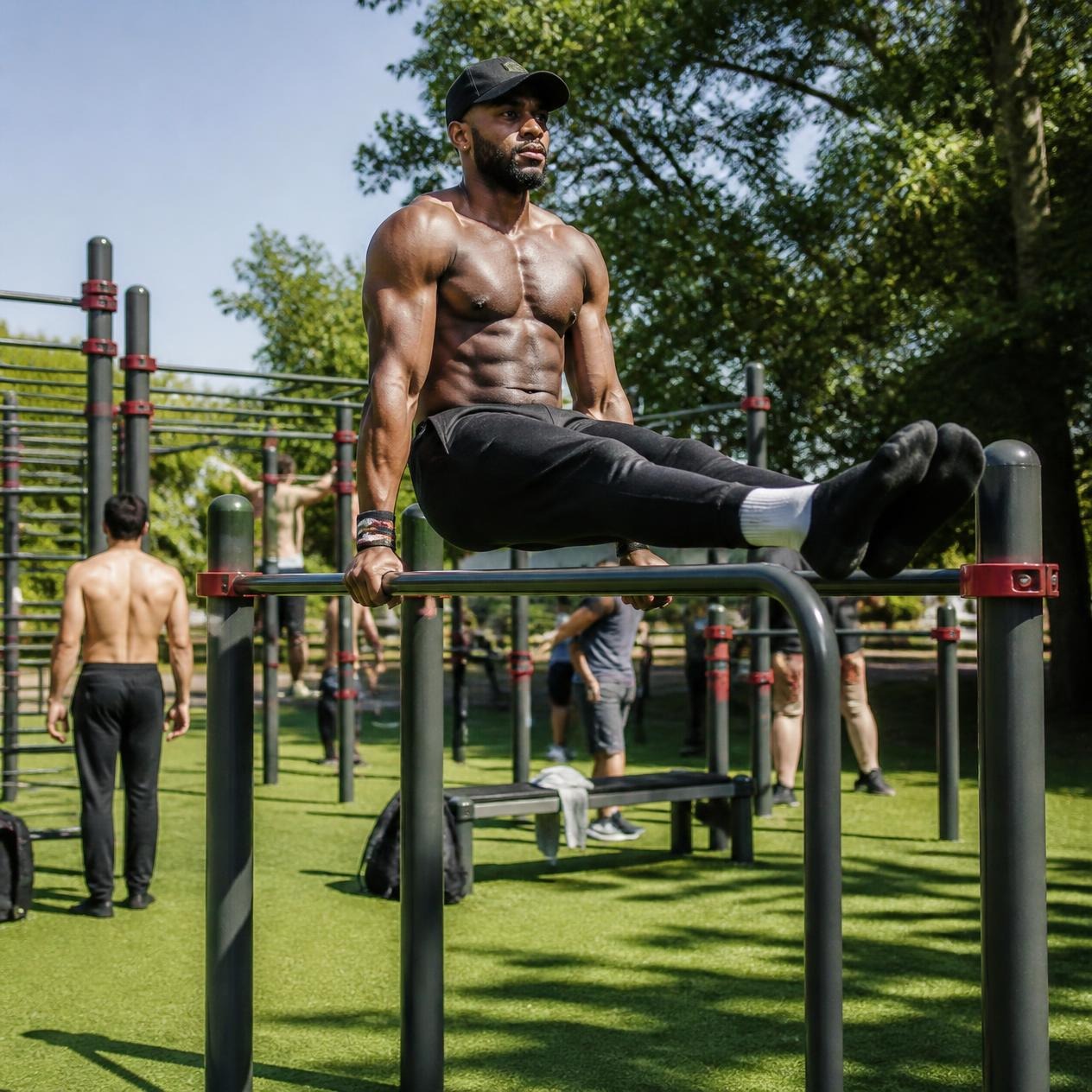
Outdoor Calisthenics Structures: Galvanized vs. Painted Steel, Which to Choose?
The choice of outdoor calisthenics structures represents a strategic decision for gyms, sports centers, municipalities, hotels, campsites, and private individuals who wish to create a training area destined to last for many years. Among the most important aspects to evaluate are the materials used for construction and, in particular, the protective treatment applied to the steel. Although many structures may look similar at first glance, the difference between hot-dip galvanized steel and simple painting clearly emerges after years of continuous exposure to atmospheric agents.
Rain, humidity, UV rays, thermal shock, snow, salt, and pollution are factors that subject any outdoor equipment to a constant process of deterioration. Insufficient surface protection can cause rust formation, paint peeling, and progressive aesthetic and structural degradation, resulting in increased maintenance costs and a reduction in the facility's useful life.
In this guide, we will analyze in detail the differences between galvanized steel and painted steel, the advantages of each solution, the aspects to consider before purchasing, and the technical criteria that allow you to choose a structure destined to maintain high performance even after many years of intensive use.
- Why the material is fundamental
- What is hot-dip galvanization
- How painting works
- Galvanized vs. painted steel
- Maintenance of outdoor structures
- The influence of the installation environment
- How to choose the best solution
- An investment that lasts over time
Why the structure's material is so important
When creating a calisthenics park or an outdoor gym, the frame represents the heart of the entire installation. All the stresses generated during pull-ups, muscle-ups, static exercises, and dynamic movements are discharged directly onto the load-bearing structure, which must guarantee stability, rigidity, and safety for many years.
In addition to mechanical stresses, the steel is continuously exposed to atmospheric agents. Humidity can penetrate the micro-cracks of the coating, promoting metal oxidation and giving rise to rust. If the surface protection is not adequate, degradation accelerates rapidly.
For this reason, the choice of protective treatment is not an aesthetic detail but a technical element that directly influences the duration of the investment and the total cost of managing the facility.
Safety and reliability
A well-protected structure maintains its mechanical characteristics over time, reducing the risk of localized corrosion and preserving the safety of users.
Duration of the investment
Choosing quality materials means avoiding premature replacements and limiting extraordinary interventions that can significantly affect the management budget.
What is hot-dip galvanized steel
Hot-dip galvanized fitness steel is obtained by completely immersing the components in a bath of molten zinc. During this process, a metallurgical bond is created between the steel and zinc that protects the material from corrosion even in the presence of small impacts or surface scratches.
Unlike a simple external coating, hot-dip galvanization generates several protective layers that are extremely resistant to wear, capable of significantly slowing down the oxidation process even in particularly aggressive environments.
This technology is used in numerous industrial sectors precisely for its ability to guarantee a long service life with reduced maintenance requirements.
Cathodic protection
Zinc protects the steel even when the surface is accidentally damaged, limiting the spread of corrosion and extending the life of the structure.
Why it is so resistant
The protection also covers cavities, welds, and areas that are difficult to reach, offering a uniform coverage that is difficult to obtain with other surface treatments.
How painted steel works
Painting protects the metal by creating a physical barrier between the steel and the external environment. If performed correctly with high-quality industrial cycles, it offers a good level of protection and allows for extensive aesthetic customization.
However, paint can suffer from scratches, chips, or abrasions over time due to daily use. When the coating is compromised, the underlying steel can begin to oxidize.
For this reason, the quality of surface preparation and painting cycles plays a decisive role in the overall durability of the structure.
Powder coating
Thermosetting powder treatments generally guarantee better performance than traditional paints, offering greater uniformity and resistance to atmospheric agents.
Aesthetic advantages
Painting allows you to choose custom colors, adapting the structure to the visual identity of a gym, a sports center, or a public space.
Galvanized steel vs. painted steel
The comparison between the two solutions should not be limited to the aesthetic aspect or the initial cost. It is necessary to consider durability, frequency of maintenance, environmental exposure, and the overall life cycle of the facility.
Hot-dip galvanization generally offers superior protection against corrosion, while painting excels in aesthetic customization. In many cases, the most qualified manufacturers combine both technologies, creating structures that are galvanized and subsequently painted to obtain the highest level of protection.
This solution allows for combining the resistance of galvanization with the aesthetic advantages of industrial painting.
Cost over the life cycle
An apparently cheaper structure may require frequent restoration interventions over time, making the total cost higher than a product that is initially more high-performing.
Performance in the most difficult conditions
In coastal, mountainous, or high-humidity areas, the quality of anti-corrosion protection becomes even more important to preserve the integrity of the facility.
Maintenance of outdoor structures
Proper outdoor equipment maintenance allows for further extending the life of the structure regardless of the treatment chosen.
Periodic checks, surface cleaning, verification of fasteners, and inspection of welds allow for the timely identification of any anomalies before they can turn into more significant problems.
A preventive maintenance program reduces management costs and maintains the high safety standards required in professional installations.
Periodic inspections
Verification of the state of the surface, bolts, and the most stressed areas should be scheduled regularly.
Routine cleaning
Removing dirt, leaves, residues, and salt deposits helps to preserve the surface protection of the structure for longer.
The installation environment makes the difference
Not all installations face the same climatic conditions. A structure located in a private garden, in the mountains, or near the sea will be exposed to very different levels of aggression.
The presence of salt significantly accelerates corrosion, while continuous thermal shock can increase the wear of surface coatings. Even direct exposure to ultraviolet rays affects the aging of the paint.
Analyzing the installation context beforehand allows you to choose the most suitable treatment and avoid costly corrective interventions in the following years.
Installations in coastal areas
Proximity to the sea requires particularly high levels of protection to counter the corrosive action of salt.
Installations in the mountains
Snow, frost, and freeze-thaw cycles make the use of materials specifically designed for outdoor use essential.
How to choose the best structure
Before purchasing, it is important to evaluate not only the price but also the quality of the steel, the type of welds, the surface treatment, the certification of materials, and the manufacturer's experience.
Relying on a specialized company allows you to obtain technical advice, proper design, and a structure correctly sized according to the intended use.
Those who wish to create a fitness area destined to maintain value over time should orient themselves towards products designed for professional use and built with high quality standards.
Manufacturer's experience
Design competence and construction quality affect as much as the material used, influencing the reliability, safety, and overall durability of the facility.
Details that make the difference
Accurate finishes, precise welds, certified components, and quality anti-corrosion treatments distinguish a professional structure from a product destined to deteriorate rapidly.
Protecting the investment today means saving tomorrow
Choosing the correct outdoor calisthenics structures means evaluating the cost of the entire life cycle and not just the initial price. A structure designed with quality materials and adequately protected against corrosion maintains its value longer, reduces maintenance interventions, and offers a better experience to users.
For sports centers, public bodies, and fitness area owners, orienting towards solutions made with professional garden calisthenics equipment, combined with advanced anti-corrosion treatments and careful construction, represents a strategic choice capable of preserving invested capital and ensuring years of reliable use even in the most demanding environmental conditions.
Comments (0)