
Trolley
You have no items in your shopping cart

 Budgets
 Dumbers
 Discs
Discs
 Benches
 Racks and Rigs
 Weights Holders
 Isotonic machines
 Calisthenics
 Cardio
 Kettlebells
 Flooring
 Gym Set
 Accessories
 Combat
 ARTI MARZIALI
 CONTAINER GYM
 Tug-Of-War
 Used Gym Equipment
 PILATES MACCHINARI
 GINNASTICA ARTISTICA
 CAMPI DA PADEL
 Prodotti in Pronta Consegna
 Informazioni
 IRONMAN
 Gift Card
- Donatif
- Sports products
- 0 I like it
- 11155 Views
- 0 comments
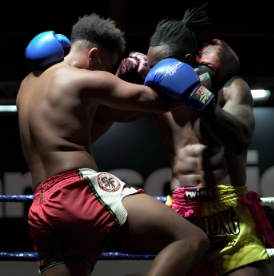
READING TIME: 3 MINUTES ➤➤
Boxing is a discipline that combines strength, speed, technique, and mental endurance. Before stepping into the ring or starting serious training, it is essential to understand the importance of the right equipment. It is not just about comfort or aesthetics, but about safety, performance, and injury prevention.
Boxing Gloves: a complete guide to choosing the right model
Gloves are much more than a simple accessory: they are the first line of defense for a boxer’s hands. Each type has specific characteristics that determine its use and level of protection. Choosing the wrong gloves can compromise your training and increase the risk of injuries to the wrists, knuckles, and metacarpals.
Bag gloves
Used during heavy bag training, these gloves are stiffer and lighter. Their structure is designed to withstand repeated impacts and improve hand endurance. They feature less bulky padding, which allows greater punch sensitivity and faster execution. However, because of this reduced protection, they are not suitable for sparring.
Sparring gloves
Designed for partner training, sparring gloves are more padded to protect not only the athlete’s hands but also the training partner. They usually weigh between 14 and 18 oz, depending on the user’s body weight. The padding is often made of high-density multilayer foam and also extends over the back of the hand and thumb.
Competition gloves
Competition gloves are designed according to official regulatory standards (FPI, AIBA, WBC, etc.). They are lighter (generally 10 oz for male categories) and built to enhance precision and impact. Some models use lace-up closures to ensure a more stable and secure fit during rounds. They are not recommended for daily training or heavy bag work.
Hand wraps: invisible protection
Even though they are not visible, boxing wraps make a huge difference. They protect tendons, knuckles, and joints during impact. There are elastic models, perfect for those who want greater adherence, and rigid cotton versions, ideal for stronger support.
Tip: learn at least a couple of wrapping methods. There are many online tutorials and visual guides that are easy to follow. Proper wrapping will save you from many inflammations and chronic pains.
Protective headgear: never skip it during sparring
Sparring is a fundamental stage in a boxer’s technical growth, but it must be done with caution. Headgear helps protect the cheekbones, jaw, forehead, and chin, areas exposed to repeated impacts. A good headguard should fit perfectly and stay in place during the fight.
Pro tip: make sure the headgear is certified for competitive use if you plan to participate in FPI or international competitions.
Mouthguard: small but essential
The mouthguard is perhaps the most overlooked piece of equipment by amateurs, yet it is essential to protect teeth and jaw. There are inexpensive models as well as customizable versions (even made by sports dentists).
Use a thermo-moldable model: immerse it in hot water, adapt it to your dental arch, and you will get precise and comfortable protection.
Punching bag: your silent opponent
The punching bag helps improve technique, endurance, and timing. There are different types:
- Heavy bag: ideal for power and punch combinations.
- Light bag: useful for improving hand speed and reflexes.
- Free-standing bag: perfect for home training.
- Speedball: improves coordination and rhythm.
Recommended materials: synthetic leather for amateur use; genuine leather for professionals.
Shoes, clothing, and technical accessories
Good boxing shoes are lightweight, stable, and highly grippy on the floor. Thin soles help with quick movements and rotations. Clothing should be breathable, fitted, and designed for the intensity of training.
Do not overlook elements such as:
- Round timer to manage work and recovery intervals;
- Jump rope for cardiovascular warm-up;
- Focus pads for partner drills with the coach.
Conclusion: the right equipment makes the difference
Investing in the right equipment is not only about performance but also about health and professionalism. Boxing is a demanding sport and should be approached with seriousness. With a solid technical base and the right tools, even a beginner can make huge progress in a short time.
➤ Read also: The benefits of physical activity on mental health
Comments (0)