
Trolley
You have no items in your shopping cart

 Budgets
 Dumbers
 Discs
Discs
 Benches
 Racks and Rigs
 Weights Holders
 Isotonic machines
 Calisthenics
 Cardio
 Kettlebells
 Flooring
 Gym Set
 Accessories
 Combat
 ARTI MARZIALI
 CONTAINER GYM
 Tug-Of-War
 Used Gym Equipment
 PILATES MACCHINARI
 GINNASTICA ARTISTICA
 CAMPI DA PADEL
 Prodotti in Pronta Consegna
 Informazioni
 IRONMAN
 Gift Card
- Donatif
- Sports products
- 0 I like it
- 3352 Views
- 0 comments
READING TIME: 7 MINUTES ➤➤
Cleaning and Maintenance of Rubber Gym Flooring
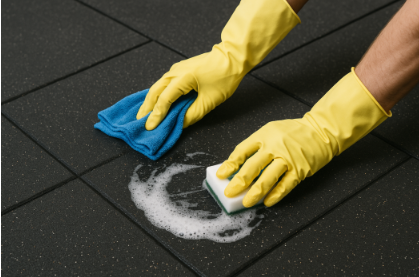
Rubber flooring is one of the most important elements inside a gym or fitness center—not only for aesthetic and functional reasons, but especially for its impact on hygiene, safety, and long-term durability. Often underestimated, the regular cleaning and professional maintenance of this type of surface are essential actions to ensure a healthy, high-performance environment that meets users’ expectations. In this in-depth guide, we will explore how to properly clean rubber gym flooring, which products to choose, and how consistent maintenance can truly make a difference.
- Why it is important to keep rubber flooring clean
- How to properly clean rubber flooring
- The best cleaners for rubber gym flooring
- Routine and deep maintenance
- Hygiene and prevention: beyond simple cleaning
Why it is important to keep rubber flooring clean
Hygienic function and user safety
Gym floor cleaning is not just a matter of appearance—it directly affects the health and safety of users. Rubber floors, although designed to be durable and slip-resistant, can become a breeding ground for bacteria, fungi, and viruses if not properly maintained. This is particularly relevant in high-traffic environments where sweat, skin cells, and dirt carried from outside easily accumulate. Maintaining high hygiene standards is not only a moral responsibility toward clients but also a proactive form of prevention against infections and illnesses.
Impact on reputation and facility efficiency
Beyond health considerations, a well-maintained floor conveys a strong sense of professionalism. Gym members often perceive cleanliness as a direct indicator of the overall quality of a fitness center. Neglecting surface maintenance, on the other hand, can lead to loss of trust, negative reviews, and a gradual decline in memberships. From an operational perspective, proper cleaning also helps prevent premature damage and reduces extraordinary costs related to flooring replacement or restoration.
How to properly clean rubber flooring
Recommended frequency and timing
The ideal frequency for cleaning rubber gym flooring depends on several factors: the number of daily users, the type of activities performed, the facility’s location, and the materials used. In general, a light surface cleaning should be performed daily, combined with a deeper cleaning at least once a week. During special events or days with particularly high attendance, cleaning operations should be intensified to prevent harmful buildup.
Step-by-step procedure for effective cleaning
Proper rubber floor cleaning involves several steps. First, remove surface debris using a vacuum cleaner or a soft-bristle broom, avoiding tools that could scratch the surface. Next comes wet cleaning: use a specific rubber floor cleaner diluted in water and apply it with a microfiber mop or an automatic scrubber dryer. It is essential not to use excessive water and to dry the surface thoroughly to prevent infiltration and potential damage. Finally, to maintain the original appearance, a protective treatment can be periodically applied to help repel dirt and improve traction.
The best cleaners for rubber gym flooring
Characteristics of ideal cleaning products
Not all cleaning products are suitable for rubber floors. A good cleaner should be gentle yet effective, free from aggressive solvents, and capable of eliminating germs and bacteria without compromising the structure of the material. The best gym floor cleaning products have a neutral pH, antibacterial properties, and are formulated for professional use. It is advisable to choose environmentally friendly and certified products that protect both operators’ health and gym users.
Recommended products and what to avoid
Among the most appreciated products in the fitness industry are specialized cleaners designed for shock-absorbing rubber flooring, often used in schools and public sports facilities as well. The use of bleach, pure ammonia, or excessively foaming products is strongly discouraged, as they may leave slippery residues or cause deterioration over time. A good compromise is to use concentrated products diluted according to instructions and combined with equipment suitable for the size and layout of the flooring.
Routine and deep maintenance
Strategies to extend the lifespan of flooring
Regular cleaning is only part of the strategy. Gym floor maintenance also requires attention to mechanical wear, temperature changes, and humidity. Installing entrance mats, rotating equipment placement, and using rubber feet under heavy machines are all practices that help preserve flooring. Periodic inspections also allow early detection of cracks, detachment, or deformation that could worsen over time.
Signs of wear not to ignore
Signs of wear often appear gradually: discolored areas, surfaces becoming sticky or overly smooth, and edges starting to lift. Ignoring them increases the risk of accidents and permanent damage. Extraordinary maintenance—such as polishing or restoring damaged areas—may be necessary at least once a year to maintain high standards of safety and perceived quality.
Hygiene and prevention: beyond simple cleaning
Sanitization and disinfection: when and how to perform them
In the post-pandemic era, gym hygiene has become a top priority. In addition to daily cleaning, it is important to schedule sanitization cycles using certified products capable of eliminating viruses, molds, and pathogens. The frequency of these interventions can vary from once a month to once a week, depending on the number of users and seasonal conditions.
Regulations and best practices for customer safety
Government guidelines and local regulations establish specific standards for hygiene in public and sports facilities. Complying with these regulations is not only a legal obligation but also a way to stand out as a reliable and professional facility. Best practices include displaying hygiene protocols, using approved cleaning products, training staff, keeping cleaning logs, and maintaining transparency with customers.
Comments (0)