
Trolley
You have no items in your shopping cart

 Budgets
 Dumbers
 Discs
Discs
 Benches
 Racks and Rigs
 Weights Holders
 Isotonic machines
 Calisthenics
 Cardio
 Kettlebells
 Flooring
 Gym Set
 Accessories
 Combat
 ARTI MARZIALI
 CONTAINER GYM
 Tug-Of-War
 Used Gym Equipment
 PILATES MACCHINARI
 GINNASTICA ARTISTICA
 CAMPI DA PADEL
 Prodotti in Pronta Consegna
 Informazioni
 IRONMAN
 Gift Card
- Donatif
- Sports products
- 0 I like it
- 2177 Views
- 0 comments
READING TIME: 5 MINUTES ➤➤
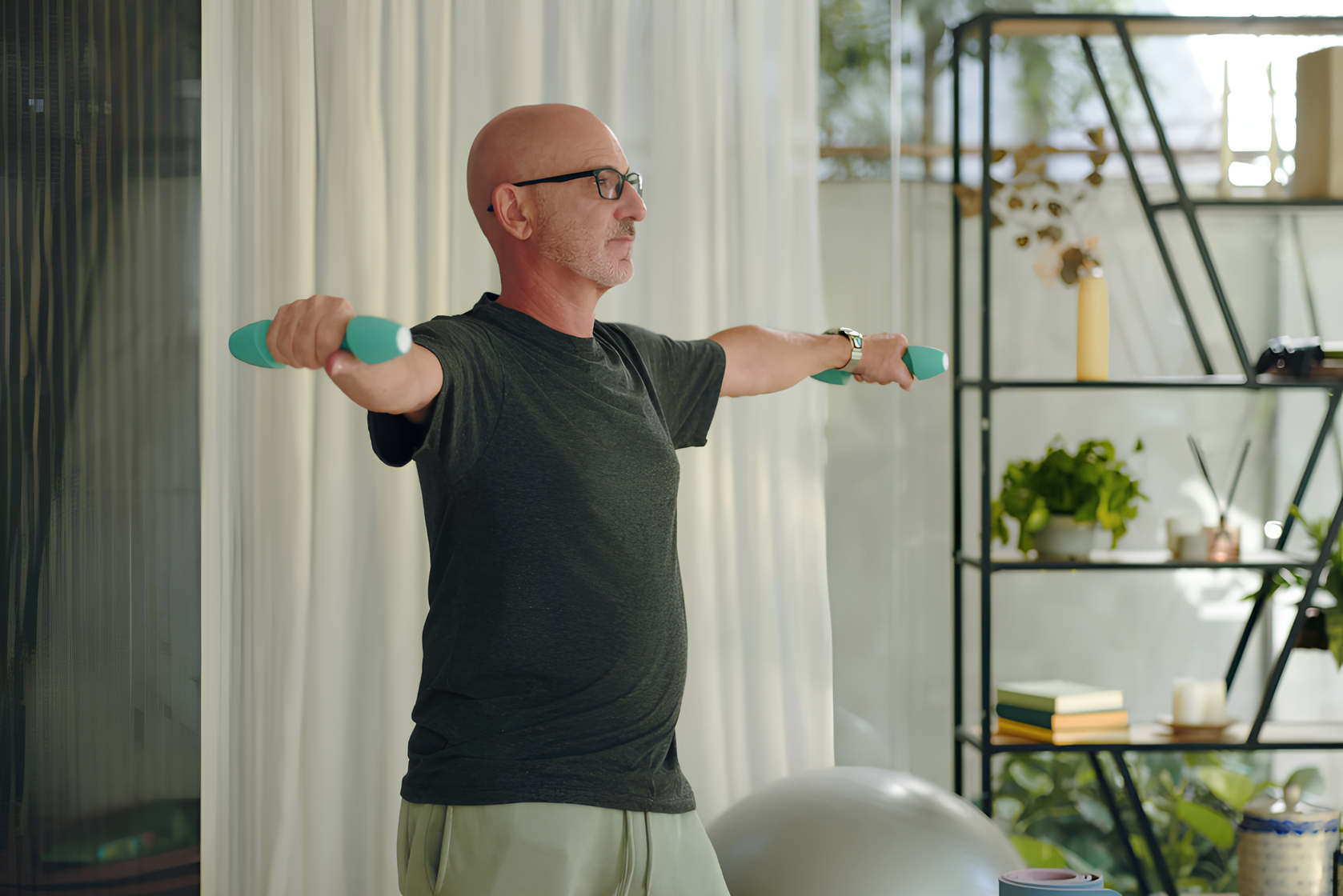
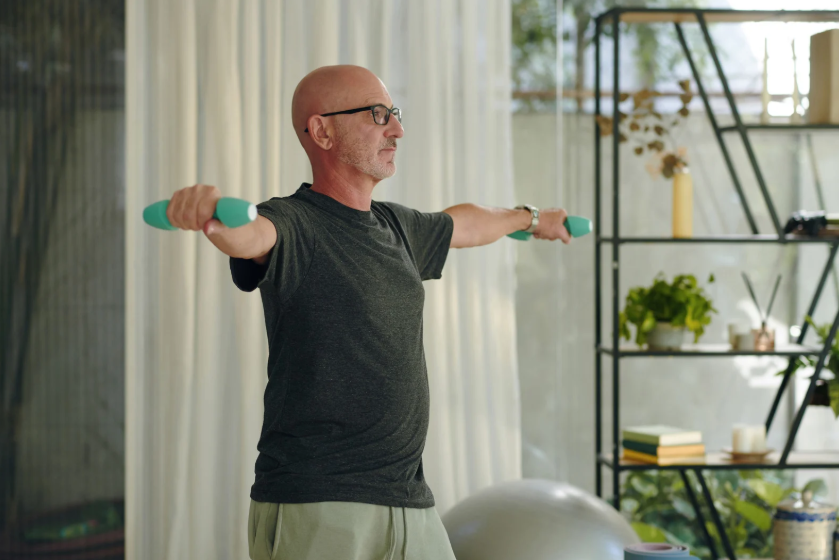
Home Gym for Small Spaces: 7 Brilliant Space-Saving Solutions
Do you only have a few square meters available but don’t want to give up working out comfortably at home? Even a tiny space can become a complete and functional gym. In this article, you'll discover how to create your home gym in limited space, using compact equipment, space-saving solutions, and smart ideas to optimize every corner. Whether you live in a studio or just want to save space, you’ll find inspiration and practicality here.
- Why create a home gym even in small spaces
- How to make the most of every meter
- 7 space-saving ideas for a functional home gym
- How to choose the right equipment for small spaces
- Transforming the environment: inspiration and control
Why create a home gym even in small spaces
A growing trend combining practicality and wellness
In recent years, the trend of creating a home gym has spread quickly, not only for health reasons but also due to a new awareness of one's living space. Living in small spaces is no longer a limitation, but an opportunity to reinvent and personalize. A space-saving home gym allows you to save time, money, and maintain a consistent workout rhythm without commuting or adapting to others' schedules.
Working out at home: real benefits without compromises
Those who choose to work out at home quickly discover the benefits: more freedom, less stress, and greater flexibility. Even in a small apartment, you can train your whole body with multifunctional equipment and smart layout strategies. The secret is to focus on the quality and versatility of equipment, not the quantity.
How to make the most of every meter: optimization principles
Space organization and smart planning
The biggest challenge for those with limited space is planning. A good home gym starts with mapping your environment: identifying unused corners, free walls, space under the bed, or behind a door. The goal is to maximize every centimeter and choose equipment that integrates well with your space—even visually. Planning is the first real workout.
Using walls, corners, and vertical solutions
A key element of a compact home gym is wall usage. From pull-up bars to foldable supports, vertical solutions free up floor space and create movement even in tight areas. Corners can hold angled equipment or shelves for accessory storage. The idea is to make every space “active” and functional.
7 space-saving ideas for a functional home gym
1. Multifunctional stations: everything in one piece of equipment
Multifunctional stations are the heart of every efficient home gym. They allow you to perform dozens of exercises with a single compact, often foldable or modular piece of equipment. Ideal for training strength, endurance, and coordination in just a corner of the room.
2. Foldable and storable bench
The classic workout bench has evolved: modern models are compact and foldable, easy to store under the bed or behind a door. Combined with adjustable dumbbells or short barbells, it enables full workouts without compromising your home’s order.
3. Adjustable dumbbells: minimal space, maximum efficiency
A set of adjustable dumbbells replaces dozens of weights and allows you to vary resistance without taking up space. Some compact models include a quick-lock system and space-saving support base—perfect for tight living areas.
4. Resistance bands and fitness elastics
Lightweight, versatile, and ultra-compact, resistance bands are effective tools for toning and strengthening muscles in limited spaces. They can be hung, rolled up, or easily stored, offering a wide range of exercises—even in tight quarters.
5. Door-mounted pull-up bar
A pull-up bar that mounts without drilling into a door frame is ideal for training the upper body. When not in use, it’s easy to remove and store in seconds. Perfect for studios and shared spaces.
6. Rollable fitness mat
The yoga or fitness mat is a must-have for bodyweight workouts. It rolls up and stores anywhere and is essential for stretching, abs, Pilates, or HIIT. Lightweight and versatile, it takes up very little space.
7. Storage boxes and space-saving furniture for accessories
Don’t overlook organization: space-saving storage boxes, trunks, or bench seats can hold bands, weights, mats, and more—keeping your space tidy and functional. Even a TV cabinet can become part of your gym with a little creativity.
How to choose the right equipment for small spaces
Selection criteria: compactness, versatility, storage
When it comes to equipment for small spaces, the first criterion is compactness. But that’s not enough: it’s essential to choose tools that are multifunctional, easy to store, and truly useful for your training needs. Every piece of equipment must earn its space.
Equipment that transforms and adapts
The most effective products are those that serve multiple purposes. A bench that also supports ab training, dumbbells that convert into kettlebells, foldable mats that become props—modularity is key in small spaces. Always evaluate transformability when choosing equipment.
Transforming the environment: inspiration and control over your space
The satisfaction of a custom space
Creating a space-saving home gym is not just a technical matter—it’s psychological too. Turning a home corner into a wellness area brings satisfaction, a sense of control, and motivation. It’s the joy of having a space tailored to you, regardless of square footage.
Personalized routines in a space that feels yours
Training in a familiar, customized environment boosts motivation and consistency. The ability to choose music, lighting, timing, and pace helps create effective routines that are sustainable over time. Your home gym becomes a space of care and personal empowerment, tailored to your goals and needs.
Comments (0)