
Trolley
You have no items in your shopping cart

 Budgets
 Dumbers
 Discs
Discs
 Benches
 Racks and Rigs
 Weights Holders
 Isotonic machines
 Calisthenics
 Cardio
 Kettlebells
 Flooring
 Gym Set
 Accessories
 Combat
 ARTI MARZIALI
 CONTAINER GYM
 Tug-Of-War
 Used Gym Equipment
 PILATES MACCHINARI
 GINNASTICA ARTISTICA
 CAMPI DA PADEL
 Prodotti in Pronta Consegna
 Informazioni
 IRONMAN
 Gift Card
- Donatif
- Sports products
- 0 I like it
- 3367 Views
- 0 comments
READING TIME: 7 MINUTES ➤➤
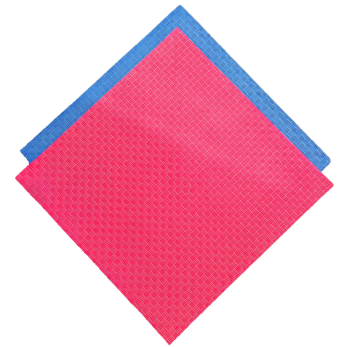
100x100 Tatami: Sizes, Thicknesses and Uses
Sports tatami mats are a fundamental choice for anyone managing a gym, dojo, or multi-purpose training center. Selecting the right size and thickness directly impacts athlete safety, training efficiency, and the durability of your investment. In this article, we’ll take a detailed look at the most common dimensions, with a focus on the 100x100 cm format and available thicknesses ranging from 2 cm to 5 cm. The goal is to provide a technical yet accessible guide for those who want to make informed decisions tailored to their training environment.
Whether you are setting up a new space or upgrading an existing mat area, tatami dimensions should never be overlooked. Every detail—from modularity to comfort, from ease of cleaning to stability—contributes to the overall user experience. With this practical guide, we aim to clarify technical aspects and real-world needs, helping you choose the right product with precision and confidence.
- Standard tatami sizes: what 100x100 means
- Tatami 2, 3, 4, 5 cm: a practical thickness guide
- How to choose the right size for your space
- Summary and practical tips
Standard tatami sizes: what 100x100 means
Why 100x100 is a standard format
The 100x100 cm format is now considered a standard for many disciplines, from martial arts to functional fitness. The reason lies in its perfect modularity: each square mat fits easily with others, allowing for seamless coverage without wasted space. This is particularly useful when covering large or irregular areas, adapting to any room layout.
In addition to flexibility during installation, the 100x100 format also ensures efficient logistics: it is easy to transport, stack, and remove for cleaning or reconfiguring the space. For this reason, it is widely used not only in traditional dojos but also in modern fitness centers that prioritize practical and functional solutions.
Custom tatami: when to go beyond standard sizes
Despite the popularity of the 100x100 format, there are cases where opting for custom sizes can make a difference. Gyms with irregular layouts, specific design requirements, or shared-use spaces may need tailored solutions. Additionally, official sporting events or competitions may require specific dimensions that comply with international standards.
Customization can also address aesthetic or logistical needs, such as specific colors, non-standard interlocking systems, or varying thicknesses across different zones of the same space. In these cases, it is essential to rely on experienced suppliers who can recommend the most suitable solution without compromising safety or performance.
Tatami 2, 3, 4, 5 cm: a practical thickness guide
2 cm tatami: lightweight and versatile for general use
A 2 cm thickness represents the lightest and most manageable option in the tatami range. It is suitable for low-impact activities such as stretching, yoga, or coordination exercises. Thanks to its light weight and ease of installation, it is often used in multi-purpose rooms or home settings. However, it is not recommended for high-impact sports or activities involving repeated falls.
Another advantage of 2 cm tatami mats is their affordability, making them an accessible choice for covering large areas on a limited budget. It remains important, however, to assess material quality and surface durability to avoid premature wear and ensure a safe user experience.
3 cm tatami: balance between comfort and stability
The 3 cm tatami offers an effective compromise between shock absorption and grip. It is commonly used in gyms hosting light martial arts classes, general fitness training, or low-impact activities. Its structure provides moderate impact absorption while maintaining enough stability for standing exercises and quick movements.
Compared to thinner models, a 3 cm thickness ensures greater durability and better elastic response. For facilities hosting multiple activities in the same space, this can be a versatile solution capable of adapting to different needs with a single flooring system.
4 cm tatami: advanced protection for dynamic disciplines
With a 4 cm thickness, tatami mats enter the professional range, suitable for dynamic disciplines such as judo, aikido, or karate. In these sports, falls and ground contact are frequent, making proper protection essential to prevent injuries. A 4 cm tatami provides an excellent balance between cushioning and stability, making it suitable for both standing techniques and ground work.
From a structural standpoint, this thickness requires higher-quality materials to prevent deformation or loss of firmness over time. It is a recommended choice for dojos and specialized training centers where athlete safety and compliance with sports standards are top priorities.
5 cm tatami: maximum safety for high-impact sports
The highest level of protection is offered by the 5 cm tatami, designed for high-impact or full-contact sports such as MMA, wrestling, or grappling. This type of mat provides a highly cushioned and shock-absorbing surface, minimizing the risk of injury even during intense falls or prolonged ground training sessions.
Its installation requires particular attention: due to its thickness, slight movement may occur if not properly secured. Nevertheless, it remains the ideal choice for highly specialized environments where performance and safety must coexist without compromise.
How to choose the right size for your space
Multi-purpose gyms: optimizing space and functionality
In multi-functional environments such as gyms, fitness centers, or shared training rooms, choosing the right tatami requires careful evaluation of space, activities, and frequency of use. The 100x100 format is often the best solution due to its modularity, while thickness depends on activity intensity and user profile. Typically, a 3 or 4 cm tatami offers the best balance between comfort, safety, and ease of management.
It is also important to consider how often the flooring needs to be removed or reconfigured. In such cases, a thinner mat may be preferable. Features such as anti-slip interlocking systems, antibacterial materials, and ease of cleaning are additional factors influencing the final decision.
Dojos and martial arts: respecting tradition and technical standards
In dojos, selecting the right tatami is a matter of identity, safety, and compliance with federation regulations. Each martial art has specific requirements: judo typically requires 4 or 5 cm mats, while disciplines such as karate or taekwondo may also use thinner options. In all cases, the 100x100 format ensures uniform coverage and facilitates traditional layout configurations.
The aesthetic and symbolic aspects should not be overlooked: layout, color choice, and finish quality communicate the value and professionalism of the dojo. A carefully selected tatami enhances practitioners’ sense of belonging and respect for the discipline. For this reason, it is essential to work with specialized suppliers who can guide you toward the most suitable solution for your vision.
Summary and practical tips
Tatami mats are not just flooring—they are a true technical tool that affects safety, performance, and perceived quality in a gym or dojo. Choosing the right solution means understanding the real needs of the space, users, and activities involved. The 100x100 format guarantees practicality and flexibility, while thicknesses from 2 to 5 cm provide solutions for every intensity level.
Ultimately, there is no “best tatami” in absolute terms—only the right tatami for each specific context. Carefully evaluate materials, certifications, installation ease, and compatibility with your available space. A well-informed decision today translates into a long-lasting, safe, and professional investment. Dimensions truly make a difference, especially when your goal is to offer the best possible experience to those training on your tatami every day.
Comments (0)