
Trolley
You have no items in your shopping cart

 Budgets
 Dumbers
 Discs
Discs
 Benches
 Racks and Rigs
 Weights Holders
 Isotonic machines
 Calisthenics
 Cardio
 Kettlebells
 Flooring
 Gym Set
 Accessories
 Combat
 ARTI MARZIALI
 CONTAINER GYM
 Tug-Of-War
 Used Gym Equipment
 PILATES MACCHINARI
 GINNASTICA ARTISTICA
 CAMPI DA PADEL
 Prodotti in Pronta Consegna
 Informazioni
 IRONMAN
 Gift Card
- Donatif
- Sports products
- 0 I like it
- 4815 Views
- 0 comments
READING TIME: 7 MINUTES ➤➤
Wood-Effect Gym Flooring: Elegance and Functionality
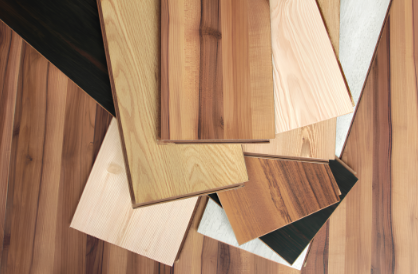
When designing a modern gym, attention to aesthetic details becomes just as important as choosing high-performance materials. One of the elements that can most transform the perception of a space is wood-effect gym flooring. This solution represents an ideal combination of natural design and technical durability, offering designers and fitness facility owners a concrete answer to the demand for elegant, functional, and innovative environments. Let’s explore why more and more architects and premium gym owners are choosing this option.
- Why choose wood-effect flooring for a gym
- Technical features of aesthetic gym flooring
- Materials and technologies compared
- How to integrate flooring into the architectural project
- Conclusion: the right balance between form and function
Why choose wood-effect flooring for a gym
Aesthetic value and perception of space
Wood-effect flooring has the ability to radically transform a gym environment, creating a warmer, more professional, and welcoming atmosphere. The texture and color typical of wood provide a refined identity that communicates attention to detail and perceived quality. This aesthetic impact is not only an added value for end customers, but also an important branding factor for facilities targeting the premium wellness market segment.
When design enhances the user experience
Choosing aesthetic flooring goes far beyond visual appeal. Well-designed environments foster a stronger sense of comfort and belonging among users. Wood—or its visual effect—conveys a sense of naturalness and calm, elements that positively influence the training experience. In addition, an elegant floor enhances the perception of cleanliness and order, key factors for building long-term customer loyalty.
Technical features of aesthetic gym flooring
Strength, durability, and performance under load
Despite its refined appearance, wood or wood-effect gym flooring is designed to withstand heavy loads and continuous mechanical stress. The most advanced PVC or composite versions offer superior resistance to abrasion, moisture, and chemical cleaners, ensuring long-lasting performance even in high-traffic environments. The surface is often treated with anti-slip and shock-absorbing finishes to ensure maximum safety during physical activity.
Ease of maintenance and cleaning
Another key advantage is ease of daily management. Wood-effect flooring, especially in PVC, is easy to clean, requires minimal maintenance, and is not affected by moisture. This makes it ideal not only for studios or relaxation areas, but also for mixed-use environments where multiple types of physical activity take place. Its dimensional stability and ability to maintain its appearance over time make it a practical as well as attractive solution.
Materials and technologies compared
Wood-effect PVC: advantages and limitations
The wood-effect PVC flooring is currently one of the most popular options due to its versatility. Lightweight, durable, and available in a wide range of finishes, this material faithfully replicates the look of natural wood without its structural limitations. It is ideal for those seeking a balance between aesthetics, functionality, and cost. However, in high-impact areas or where greater elasticity is required, it may be less effective than more specialized technical solutions.
Sports parquet: when it’s the right choice
For gyms hosting competitive activities or specific disciplines, sports parquet flooring represents a premium solution. Made from solid or engineered wood with a shock-absorbing structure, it ensures controlled elasticity that protects athletes’ joints. Parquet offers unmatched aesthetics and a high-quality tactile experience, but it requires a higher investment and more careful maintenance.
Hybrid solutions: aesthetics and practicality
In recent years, hybrid solutions have emerged that combine the visual appeal of wood with the engineering of technical materials. These products pair a rubber or vinyl base with a wood-effect surface, offering a balanced mix of comfort, durability, and design. They are ideal for functional areas, boutique gyms, and shared spaces where both aesthetic and performance requirements must be met.
How to integrate flooring into the architectural project
Harmony with the gym’s visual concept
Flooring is not an isolated element but an integral part of a space’s visual narrative. For this reason, choosing wood-effect gym flooring must align with the overall interior design. Tones, grain patterns, and textures should interact with walls, furnishings, and natural light to create an immersive experience that enhances brand identity and the quality of the fitness offering.
Tips for architects and designers
To achieve an effective result, it is advisable to involve suppliers from the early stages of the project. Evaluating real samples, testing combinations with other materials, and verifying technical performance are essential steps. The use of modular or interlocking flooring systems also allows for flexibility during installation and ease of future modifications. Finally, choosing reliable brands with experience in the sports sector ensures continuous technical support and tailored solutions.
Conclusion: the right balance between form and function
Wood-effect gym flooring is today one of the smartest choices for those who want to combine contemporary aesthetics with professional durability. The ability to create refined environments that align with architectural design while meeting everyday demands makes it an ideal solution for premium gyms and detail-oriented designers. When design meets performance, every element of the space contributes to a superior experience.
Comments (0)