
Trolley
You have no items in your shopping cart

 Budgets
 Dumbers
 Discs
Discs
 Benches
 Racks and Rigs
 Weights Holders
 Isotonic machines
 Calisthenics
 Cardio
 Kettlebells
 Flooring
 Gym Set
 Accessories
 Combat
 ARTI MARZIALI
 CONTAINER GYM
 Tug-Of-War
 Used Gym Equipment
 PILATES MACCHINARI
 GINNASTICA ARTISTICA
 CAMPI DA PADEL
 Prodotti in Pronta Consegna
 Informazioni
 IRONMAN
 Gift Card
- Donatif
- General information
- 0 I like it
- 470 Views
- 0 comments
- gym flooring, safety flooring, gym safety, shock-absorbing materials
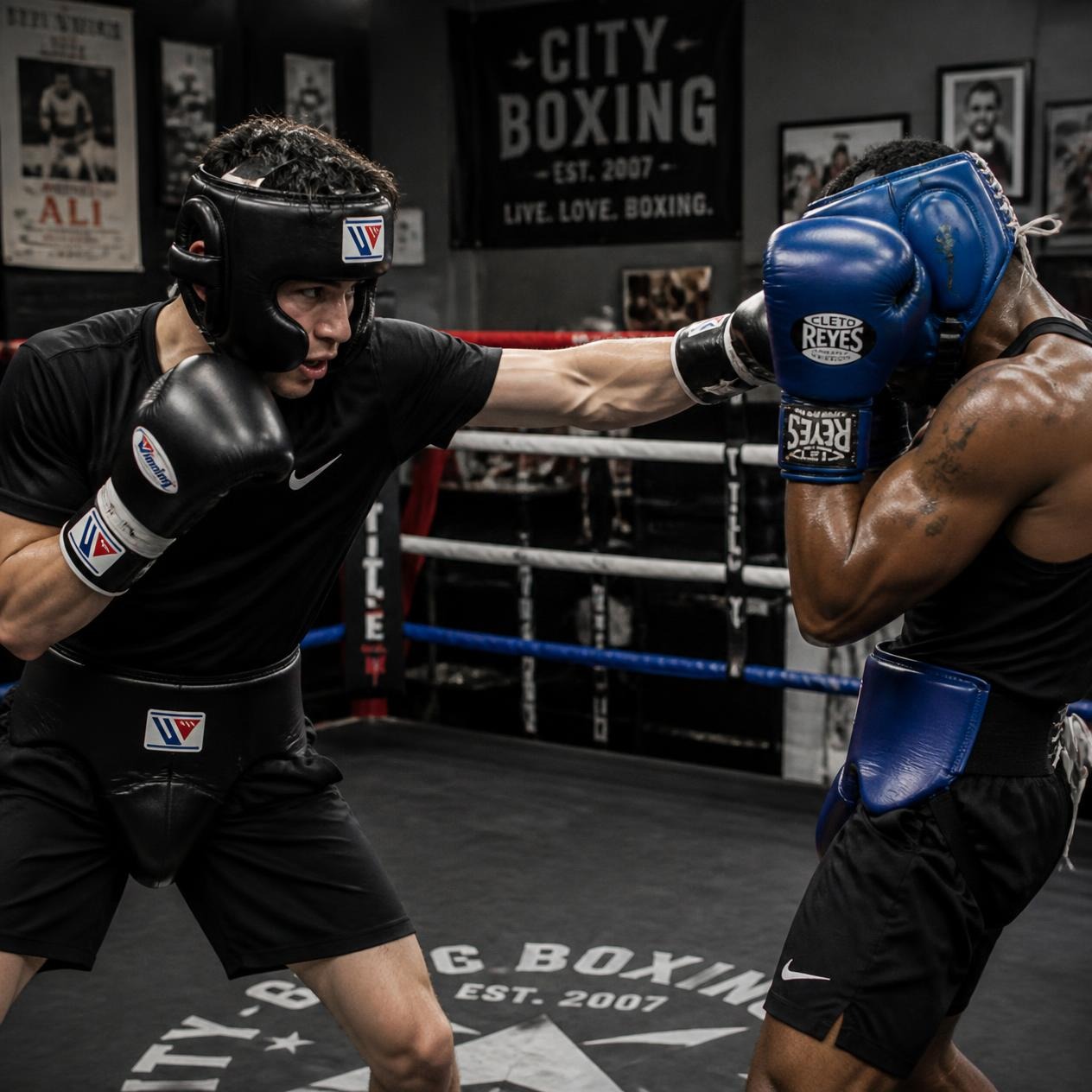
Boxing Gloves 10 oz vs 12 oz vs 14 oz: The Definitive Guide to Weights
Choosing the correct glove weight is one of the most important decisions for those who practice boxing, kickboxing, or other combat sports. Many beginners think that ounces simply indicate the size of the glove, but in reality, they represent a parameter that directly influences protection, execution speed, comfort, and training quality.
The different sizes available, such as 10 oz, 12 oz, 14 oz, and 16 oz, are designed for different uses. Some models prioritize speed and precision, while others offer a higher level of protection during sparring. Choosing the wrong weight can compromise both safety and training effectiveness.
In this guide, we will analyze in detail the meaning of ounces, the differences between the various weights, the relationship with the athlete's body weight, and the recommended type of use, so as to help you identify the model best suited to your needs.
- What OZ means in gloves
- Recommended ounces table
- 10 oz gloves
- 12 oz gloves
- 14 oz gloves
- 16 oz gloves
- How to choose based on body weight
- How weight influences training
- Common mistakes in choosing
- Which gloves to buy
What OZ means in gloves
The abbreviation OZ stands for ounces, an Anglo-Saxon unit of measurement used to classify the total weight of the glove. A higher number generally corresponds to a greater amount of padding, although shape and volume may vary slightly between different manufacturers.
Many think that ounces are related exclusively to the athlete's weight, but in reality, the choice also depends on the type of training. The same boxer can use different gloves during the week: one pair for the heavy bag, one for technical work, and one dedicated to sparring.
Understanding the meaning of ounces allows you to purchase a product that is truly suited to your needs, avoiding compromises in terms of safety and performance.
More ounces means more protection
As the ounces increase, the thickness of the padding generally increases. This improves the glove's ability to absorb impacts, reducing stress on the hands and wrists.
Lighter means more speed
Lighter gloves allow for faster movements and fatigue the shoulders less during high-intensity technical work.
Recommended ounces table
A correct choice takes into account both body weight and the type of training performed. The following table represents a guideline commonly used in gyms.
Boxing glove ounces table:
• 10 oz: competitions, heavy bag, and technical work for light athletes.
• 12 oz: general training, focus mitts, and fitness boxing.
• 14 oz: mixed use, technique, and light sparring.
• 16 oz: intense sparring, high protection, and partner training.
The indications may vary slightly based on the regulations of the discipline practiced and the coach's preferences.
General guidelines
The tables constitute a starting point, but every athlete should also evaluate experience, training intensity, and hand size.
When to change size
Those who use very thick hand wraps or have particularly large hands might prefer a higher weight to obtain a more comfortable fit.
10 oz gloves
10 oz weight gloves represent the typical choice for amateur and professional competitions, as well as for heavy bag training where you want to prioritize speed and precision.
Being lighter, they allow for rapid combinations and fatigue the shoulder muscles less. However, the reduced padding offers less protection compared to heavier models.
For this reason, they are rarely used during intense sparring, where the safety of the athlete and the partner takes top priority.
Advantages
Speed, sensitivity of the strike, and less fatigue make 10 oz ideal for technical work and specific preparation.
Limitations
The lower padding requires clean technique and good hand wrapping, especially during intense training.
12 oz gloves
12 oz gloves represent one of the most appreciated compromises by enthusiasts who train regularly. They offer superior protection compared to 10 oz while still maintaining good agility.
They are widely used during heavy bag sessions, focus mitt work, and fitness training, making them suitable for many beginners as well.
Their versatility makes them a frequent choice for those who want a single pair of gloves intended for different uses, provided that intense sparring is not practiced.
Who they are indicated for
They are ideal for athletes of average build who mainly perform technical training and physical conditioning.
When to use them
General training, heavy bag, Thai pads, and technical work represent the areas where 12 oz offer the best balance.
14 oz gloves
14 oz constitute a very balanced solution between protection and speed. They offer more substantial padding than 12 oz without being excessively bulky.
They are often recommended for athletes of average or robust build who alternate technical work, heavy bag exercises, and light sparring.
For many practitioners, they represent the most versatile weight, especially when you want to limit the number of gloves owned.
Strengths
Excellent compromise between comfort, safety, and performance during various workouts.
When they might not be enough
During very intense sparring, numerous gyms still prefer the use of 16 oz to increase protection.
16 oz gloves
16 oz sparring gloves represent the benchmark for partner training. The high padding protects both the person hitting and the person receiving the blows.
The greater weight increases the muscular work of the shoulders and arms, also contributing to the development of specific endurance during prolonged sessions.
Many gyms mandatorily require the use of 16 oz during sparring to reduce the risk of injury and ensure greater safety for all athletes.
Maximum protection
The abundant padding reduces the perceived impact and makes training safer for both boxers.
Greater fatigue
The higher weight entails a higher muscular effort, also useful as a training stimulus.
How to choose based on body weight
The athlete's weight is an important parameter in the choice, but it is not the only one. A person of light build could use 16 oz during sparring and 10 or 12 oz for the heavy bag.
Heavier athletes generally develop greater impact force and can benefit from more substantial padding during partner training.
It is always advisable to consult with your coach, especially in the first months of practice, so as to identify the solution best suited to your technical level.
Advice for beginners
Beginners should prioritize protection over lightness, choosing gloves that allow them to learn technique safely.
Experienced athletes
Those who already have good experience often tend to have multiple pairs of gloves, each dedicated to a specific type of training.
How weight influences training
The weight of the glove significantly modifies the perception of training. Light gloves allow you to maintain a high pace and improve speed and precision.
Heavier models increase the muscular work of the shoulders, lats, and arms, contributing to the development of specific endurance.
Alternating different weights during programming can be an effective strategy to stimulate different athletic qualities without changing the exercises.
Technical performance
Each weight influences timing, the speed of returning the guard, and fatigue management during combinations.
Hand protection
Greater padding also helps to limit stress on the knuckles, metacarpals, and wrists during repeated impacts.
Common mistakes in choosing
One of the most frequent mistakes is buying very light gloves thinking they are automatically better. In reality, the choice should always be guided by the type of training.
Another mistake is using the same gloves for every activity, including intense sparring. This solution can compromise both personal safety and that of your partner.
It is important to also consider build quality, fit, and wrist support, elements that affect as much as the number of ounces reported on the label.
Don't choose based on price alone
Materials, padding, and closure systems directly affect the durability and level of protection offered by the glove.
Consider hand size
Even with the same number of ounces, different models can offer a different fit. Trying on the glove with wraps is always the best solution.
Which gloves to buy
The ideal choice depends on your level, goals, and training frequency. Those who only practice fitness boxing will have different needs compared to an athlete preparing for sparring or competitions.
To compare models suitable for every use, you can consult the selection of boxing gloves oz, available with different padding, materials, and weights designed for beginners and experts.
Investing in the correct weight means training more safely, improving the quality of your technique, reducing unnecessary fatigue, and protecting your hands and wrists in the long term. A carefully chosen glove will accompany every phase of your athletic growth, offering comfort, reliability, and performance suitable for any type of training.
Comments (0)